Turn Your Edited Manuscript Into a Beautiful Book
After the editorial process, welcome to layout and design. This is where your manuscript begins to look like a real book through cover design, interior layout, author details, print-ready files, and final preparation for printing.

After Editing, the Book Must Be Dressed Well
A well-edited manuscript still needs thoughtful presentation. The right fonts, colours, cover direction, layout choices, author details, and print-ready files help your book become clear, attractive, readable, and ready for production.
Prepare These Before Full Layout and Design
These details help the designer create a complete and professional book package.
Best Cover for the Book
Fonts, colours, images, mood, and visual direction should match the book’s message and reader.
ISBNs
Prepare ISBN details for identification, listing, cataloguing, and distribution.
Blurb, Bio and Author’s Photo
Prepare a strong back-cover blurb, polished bio, and clear author photo.
Publisher’s Logo
Confirm logo placement so the book carries the correct publishing identity.
Author’s Contacts
Provide telephone number, email, webpage, or platform details where needed.
Cover Spread
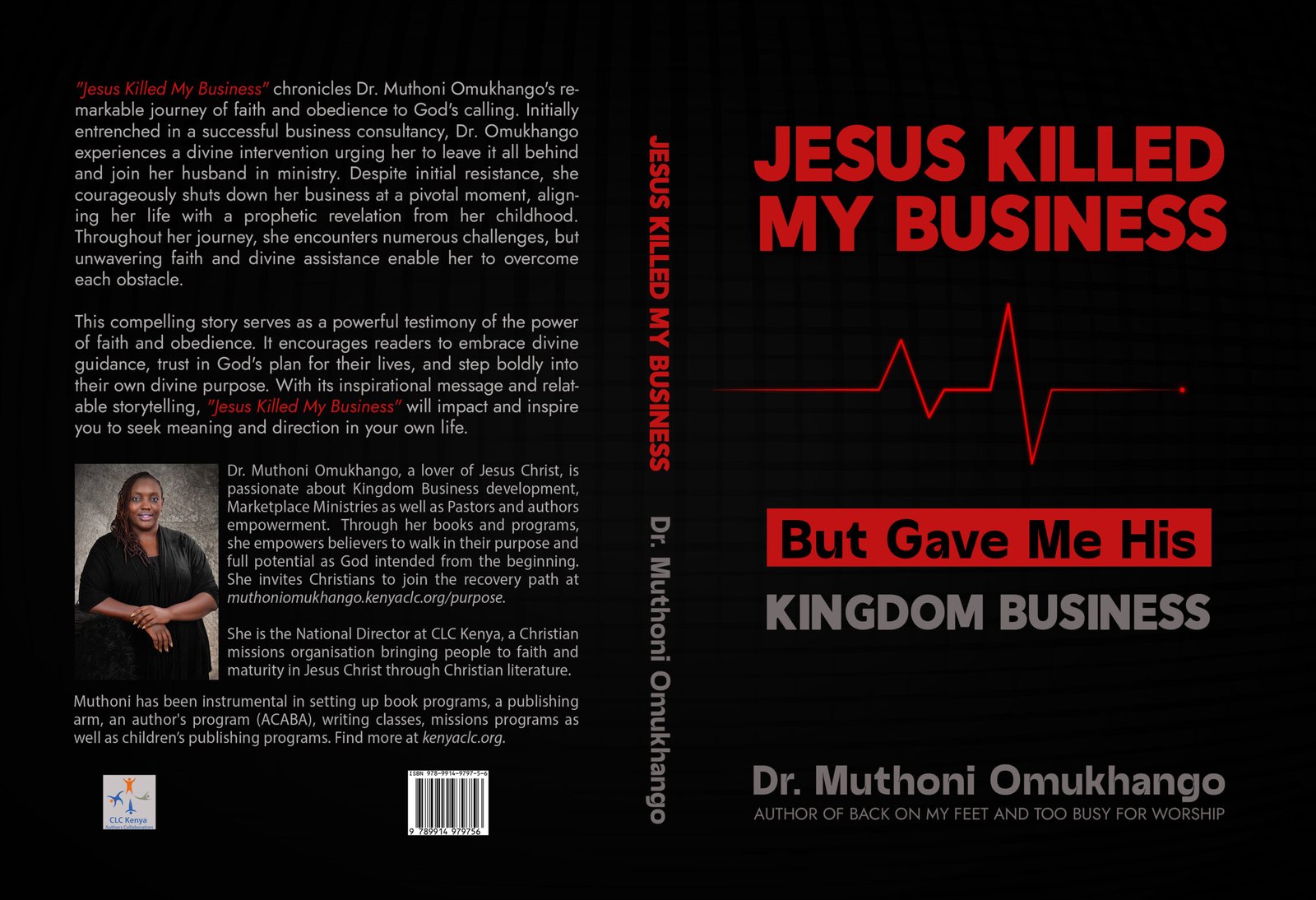
Prepare the full cover spread: back cover left, spine middle, front cover right.
Best Interior Layout
Choose fonts, sizes, spacing, headings, and decorations that support readability.
Print-Ready Files
Prepare interior PDF and cover spread PDF for production and future records.
Cover Spread
The outside invites the reader in.

Create a Complete Cover Spread
The cover should be designed as a full spread, not as isolated pieces.
- Back cover on the left.
- Spine in the middle.
- Front cover on the right.
- Fonts, colours, images, logo, barcode, author details, and blurb correctly positioned.
Understanding the Parts of a Complete Book Cover
A professional book cover is more than a beautiful front page. A complete cover spread includes the back cover on the left, the spine in the middle, and the front cover on the right — each carrying important publishing, marketing, and reader-facing information.
Front Cover
The front cover is the first invitation to the reader. It should carry the title, subtitle, author’s name, and other important attributes such as “Also author of”, “Illustrated by”, “Foreword by”, or edition details.
Spine
The spine sits in the middle of the cover spread. It normally includes the book title, author’s name, and sometimes the publisher’s logo. It must be readable when the book is placed on a shelf.
Back Cover
The back cover helps the reader decide whether to buy or read the book. It usually carries the blurb, author’s photo, author’s bio, publisher’s logo, ISBN, barcode, and sometimes endorsements or testimonials.
What Every Complete Cover Spread Should Include
Ready to Design a Complete Book Cover?
Use this guide to prepare your front cover, spine, and back cover details before your book moves into professional layout and print-ready preparation.
Interior Layout
The inside helps the reader stay.
Prepare the Inside Text for Readers
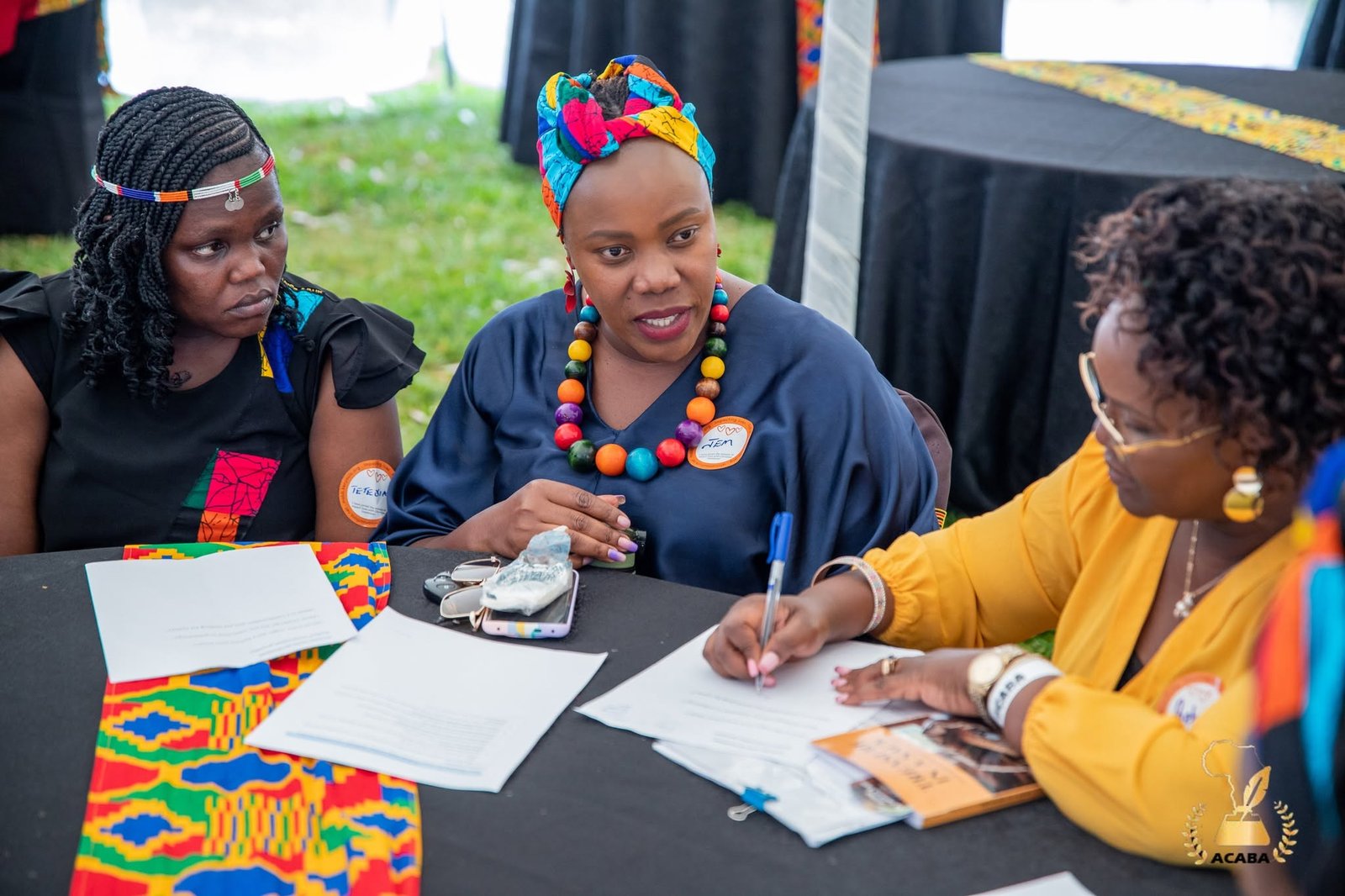
The interior layout should be clean, readable, beautiful, and suitable for the book’s audience.
- Readable fonts and appropriate font sizes.
- Clean margins, spacing, headings, and page numbers.
- Decorations that support the book without distracting from the message.
- Well-presented tables, quotes, images, notes, and Scripture references.
Key Pages and Design Decisions Inside the Book
These examples show how early pages and main text pages should be prepared before the book is sent for print-ready layout.
Copyright Page and Dedication Page
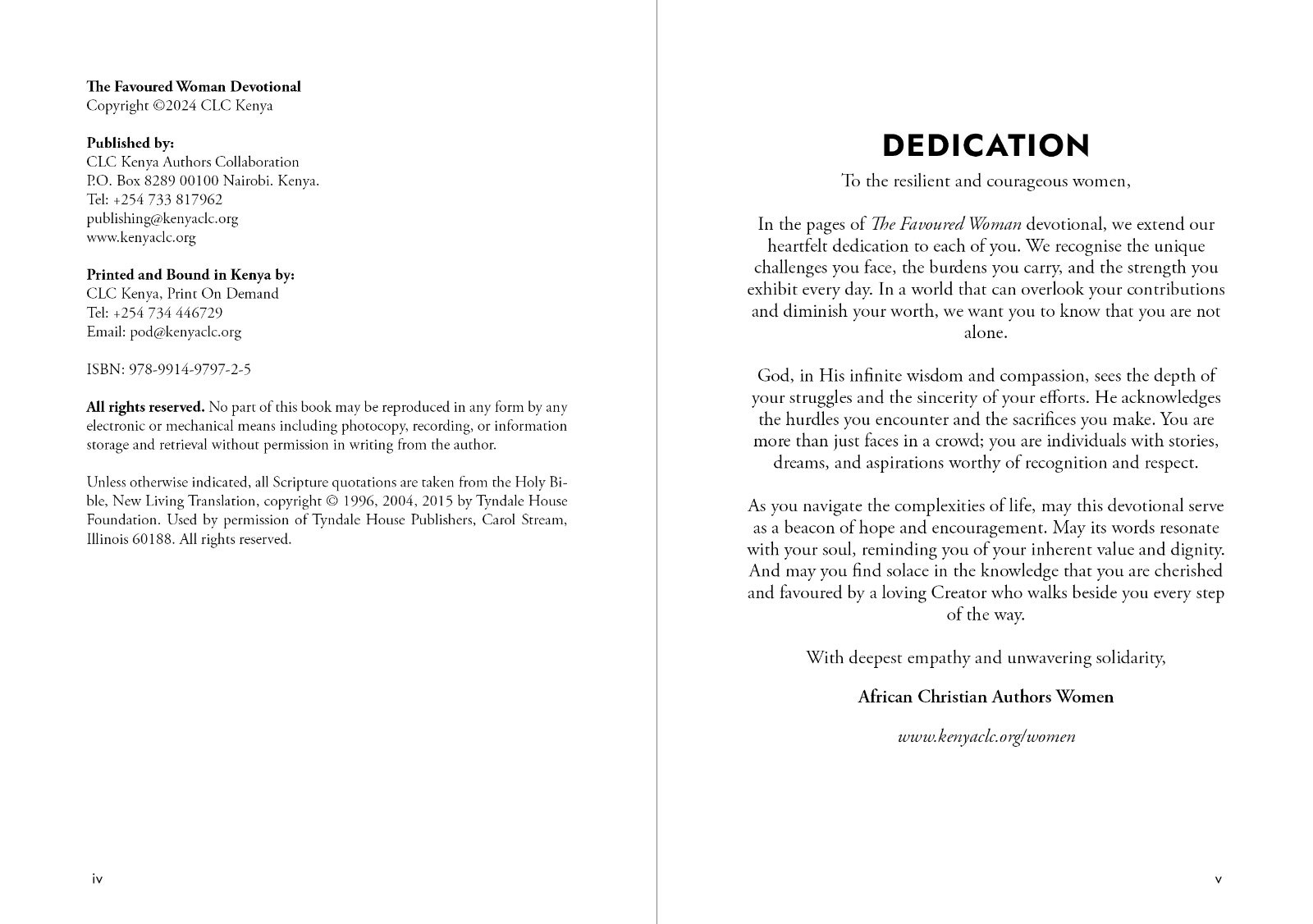
The first pages of the book should be arranged intentionally. The title page introduces the book, the copyright page records the legal and publishing details, and the dedication page gives the author space to honour the person, people, or purpose behind the book.
Font Choices and Design Elements
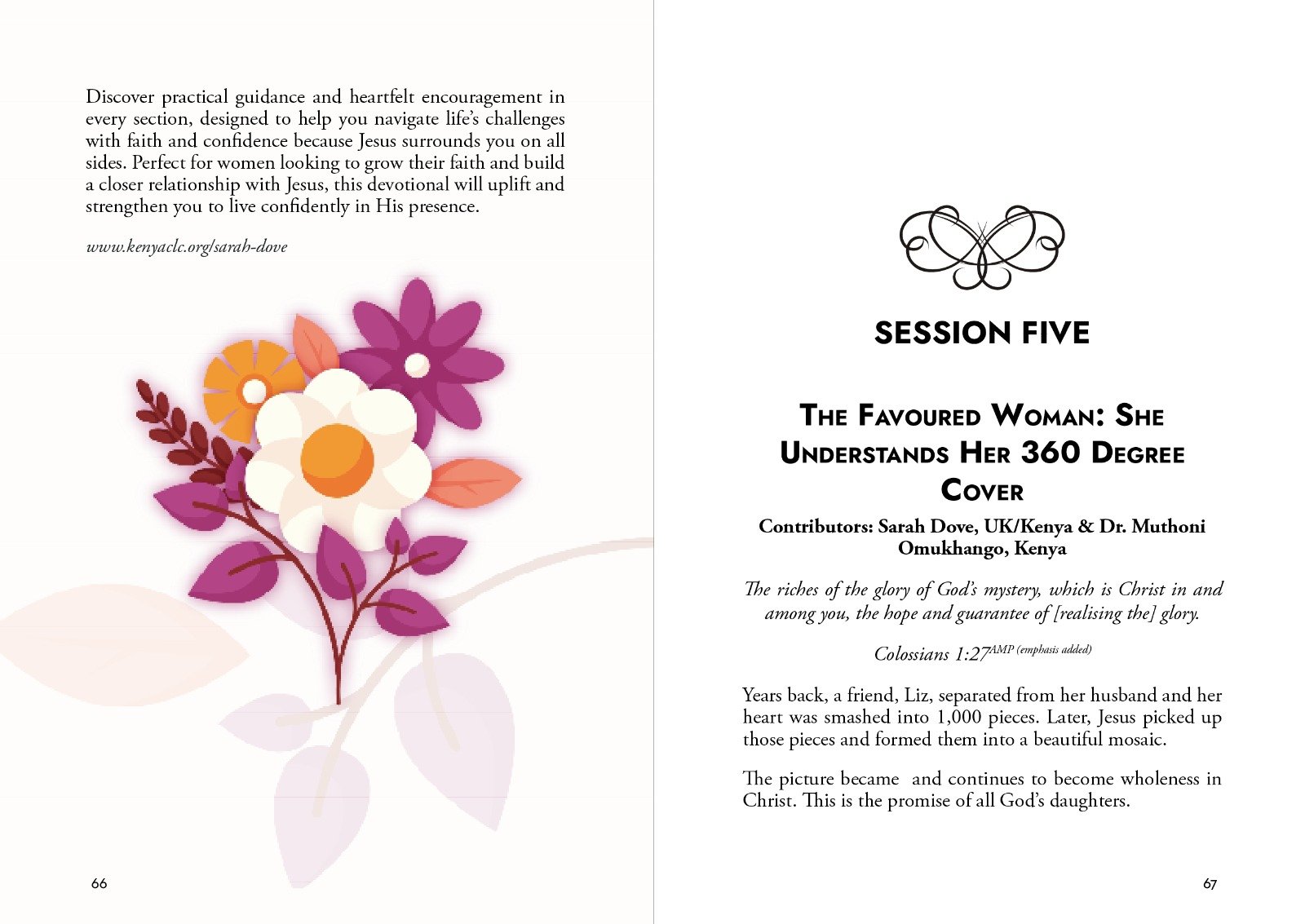
Interior design should support the reader. Font type, font size, spacing, chapter openings, decorative elements, and page structure should be chosen according to the target reader and the purpose of the book.
Choose the Right Printing Path
After layout and design, the book can move into the most suitable printing method.
Print-On-Demand
Suitable for authors who want flexibility, smaller batches, manageable inventory, and the ability to print books as orders come in.
POD Print Now
Offset Printing
Suitable for larger quantities, wider distribution plans, events, bulk orders, and projects where the author needs many copies at once.
Offset Print NowGive Your Manuscript a Polished, Reader-Friendly Look
We help authors move from a plain manuscript to a beautifully formatted book that is clear, professional, and enjoyable to read on every page.

Design Your Manuscript for Readers
We help you design your manuscript for a polished, reader-friendly look that supports your message and makes the book easier to engage with.

Bring Your Story to Life on Every Page
Formatting tips, clean spacing, readable fonts, and thoughtful page flow help your story feel complete, organised, and ready for readers.

Prepare Your Book to Thrive
A professionally formatted book done using industry software allows the book to thrive in print, distribution, sales conversations, and reader experience.
Ready to Turn Your Manuscript Into a Designed Book?
Let us help you prepare your interior layout, page structure, and reader-friendly presentation before your book moves to print.