From Book to Bible Plan
A One-Hour Practical Training for Christian Authors
Using Too Busy for Worship as the Demonstration Book
By the end of this session, each participant should be able to identify one focused YouVersion Bible Plan within a published book or publishable manuscript and prepare a basic day-by-day outline.
Expected Participant Output
Each participant should leave the training with:
Plan Title
One proposed Bible Plan title.
Target Reader
A clearly defined target reader.
Central Message
One focused message drawn from the book.
Plan Description
A clear and compelling Plan description.
Day-by-Day Outline
A minimum three-day Plan outline.
Scripture Passages
Relevant Scripture passages for each day.
Categories
Three suitable YouVersion categories.
Keywords
Five relevant keywords for the Plan.
1.5 Hours Training Schedule
Follow the steps below to move from a published book or publishable manuscript to a focused YouVersion Bible Plan.
Introduction
A published book may contain several YouVersion Bible Plans.
The goal is not to squeeze an entire book into three, five or seven devotional days. The goal is to identify one clear spiritual journey within the book and adapt it for a specific reader.
A book allows an author to explore many ideas across several chapters. A Bible Plan is more focused. It meets a reader at a particular point of need, guides them through Scripture and helps them take a practical step of faith.
YouVersion describes Bible Plans as daily devotional content rooted in Scripture. They are intended to help readers understand God’s Word, meditate on its promises and apply biblical truth to their lives.
The Plan must serve the reader through Scripture rather than merely reducing or advertising the author’s book.
One Message. One Journey.
Do not summarise the whole book. Select one message and develop one spiritual journey.
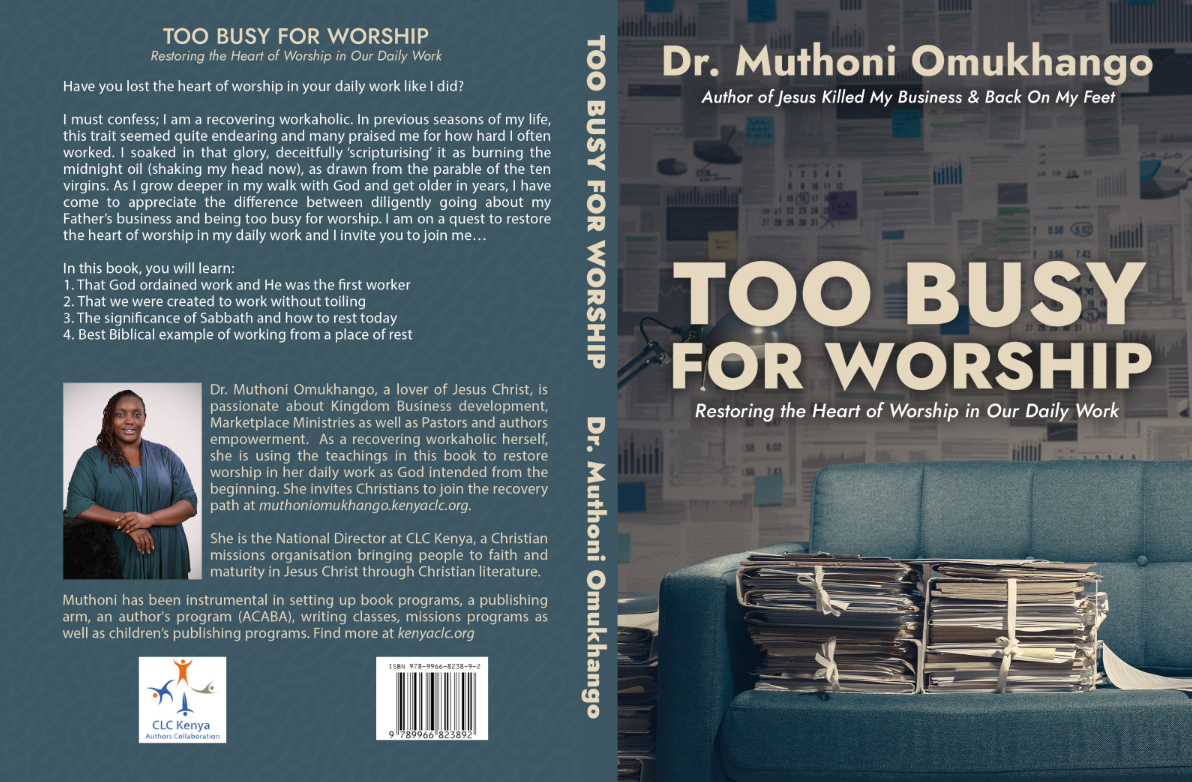
Explore the Sample Book
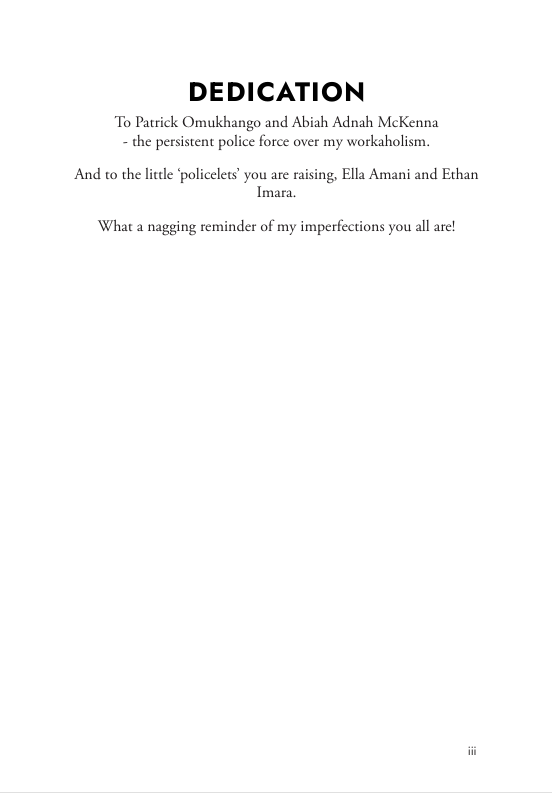
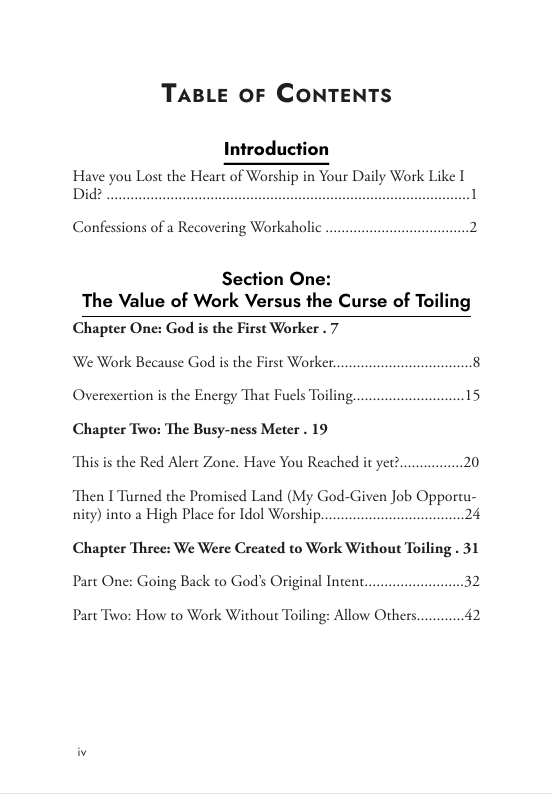
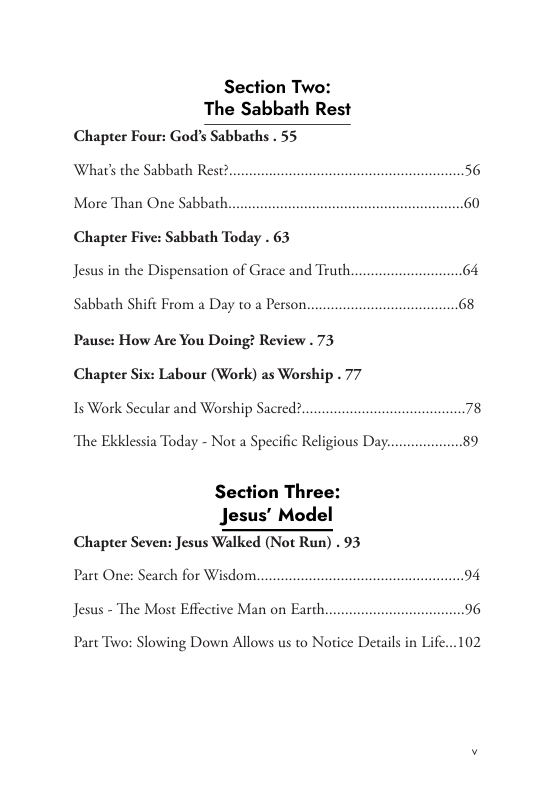
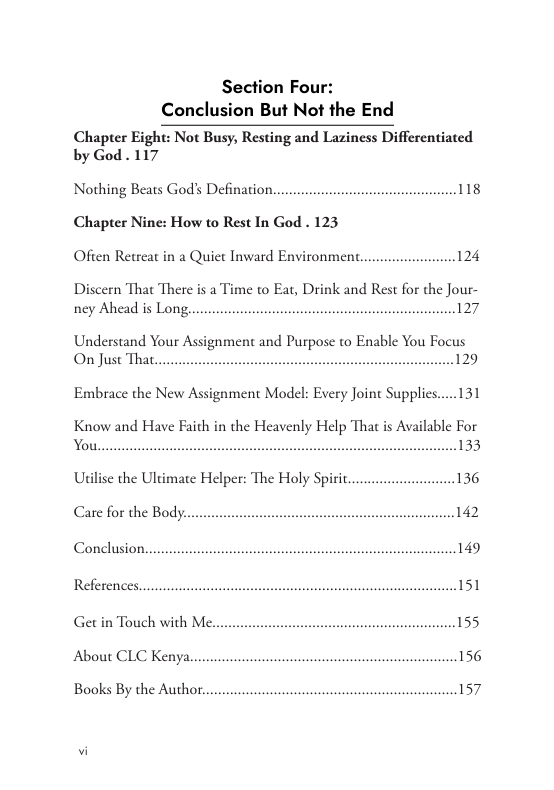
View the full book spread, then examine the cover and table of contents pages used during the class.
Find the Plan Within the Book
Identify one focused Bible Plan idea from your published book or publishable manuscript.
What is one focused Bible Plan that can come from your book?
A book may contain several themes, but one Bible Plan should usually address one main reader need.
Example from Too Busy for Worship
Too Busy for Worship: Restoring the Heart of Worship in Our Daily Work contains several possible Bible Plans.
The book covers work versus toil, Sabbath rest, work as worship, Jesus’ model and practical ways of resting in God. These broad sections can produce several separate Bible Plans rather than one overcrowded Plan.
Are You Working or Toiling?
This Plan focuses on the difference between purposeful work and anxious, exhausting toil.
Complete One Clear Sentence
This Plan helps hardworking Christians who are becoming exhausted and spiritually disconnected to understand the difference between work and toil so that they can restore rest, worship and dependence on God.
Find the Plan Within Your Book
Module 1 Author Worksheet by CLC Kenya
Contacts: +254707463007
Complete the worksheet below. Your entries can be downloaded and saved for the next stage of the training.
Define the Reader and Transformation
Identify the specific reader your Bible Plan will serve and the spiritual movement you want the reader to experience.
Who is opening this Plan, and what do they need from God?
Do not write for “every Christian”. Picture one reader facing one recognisable situation.
Example from Are You Working or Toiling?
A hardworking Christian who is continually busy with legitimate responsibilities but is becoming exhausted, spiritually dry and unable to rest without feeling guilty.
What This Reader May Be Experiencing
The introduction to Too Busy for Worship begins with the author’s confession that she is a recovering workaholic. Hard work once attracted praise, but she gradually recognised the difference between attending diligently to the Father’s business and becoming too busy to remain effective.
Move the Reader from One Place to Another
A Bible Plan should not merely describe a problem. It should guide the reader towards biblical understanding, faith and practical response.
Information Is Not the Final Goal
Your Plan should not merely provide information. It should help the reader take a step forward in faith.
Define Your Reader and Transformation
Module 2 Author Worksheet by CLC Kenya
Contacts: +254707463007
Complete the fields below to build a clear picture of your reader and the spiritual journey your Plan will provide.
Build the Day-by-Day Journey
Arrange the Plan so that every day moves the reader towards deeper biblical understanding and a faithful response.
In what order should the reader encounter these truths?
Do not simply divide a chapter into equal pieces. Each day should advance the reader’s understanding.
Every Bible Plan Needs a Clear Journey
Recognition
Help the reader understand their present condition.
Biblical Understanding
Show what Scripture teaches about the issue.
Faithful Response
Help the reader apply the truth.
A strong Plan does not offer five unrelated devotional thoughts. It guides the reader through a connected spiritual journey.
Are You Working or Toiling?
This five-day journey moves the reader from recognising anxious toil to learning how to work from connection with Christ.
Are You Working or Toiling?
Purpose: Help the reader recognise the difference between diligent work and anxious toil.
Main Scripture: Hebrews 4:1–11
Book source: Introduction and “Confessions of a Recovering Workaholic”
What is driving my activity?
God Is the First Worker
Purpose: Establish that work itself is good and was part of God’s design before the Fall.
Main Scripture: Genesis 1:26–31; 2:8–15
Book source: Chapter One, “God Is the First Worker”
The book presents God as the first worker and author of work. God created, planted the Garden and then gave Adam an assignment within an environment God had prepared.
Am I rejecting work itself when the real problem is how I am working?
When Work Becomes Toil
Purpose: Explain how sin distorted work through fear, dissatisfaction, painful striving and self-sufficiency.
Main Scripture: Genesis 3:1–19
Book source: “Toiling Started After the Fall of Man”
Where am I trying to secure through striving what I should entrust to God?
Is Your Busyness in the Red Zone?
Purpose: Help the reader identify signs of unhealthy busyness.
Main Scripture: Psalm 46:10; Hebrews 4:1–3
Book source: Chapter Two, “The Busy-ness Meter”
The book identifies the inability to be still before God as a red-alert sign. It connects lost stillness with lost peace, disobedience, frustration and reduced spiritual effectiveness.
What warning signs have I been ignoring?
Remain Connected to the Vine
Purpose: Show that spiritual fruitfulness comes from abiding in Christ rather than overexerting oneself.
Main Scripture: John 15:1–8
Book source: “How to Work Without Toiling: Remain Connected to the Vine”
The book teaches that people cannot live as God intended while disconnected from their Creator. Jesus’ teaching about the vine and branches shows that lasting fruit comes from remaining in Christ.
What must change so that I work from connection with Christ?
How the Five Days Work Together
Identifies the problem.
Establishes the goodness of work.
Explains how work becomes toil.
Helps the reader recognise warning signs.
Presents abiding in Christ as the way forward.
Look at the Final Day
What should the reader understand on the final day that they did not understand on Day 1?
Build Your Day-by-Day Journey
Module 3 Author Worksheet by CLC Kenya
Contacts: +254707463007
Prepare a minimum three-day outline. You may add up to five days in this worksheet and download your completed Plan structure.
Adapt Book Content into Devotional Content
Reshape existing book material into clear, focused and Scripture-centred content for a mobile devotional reader.
How should this book content change for someone reading devotionally on a phone?
Do not copy several book pages and label them “Day 1”.
What Usually Needs to Change
Book content is written for extended reading. Devotional content must serve a reader who may be reading on a small screen, during a busy day or in the middle of a personal struggle.
Shortened
Focused
Reordered
Simplified
Connected clearly to Scripture
Applied personally
Divided into shorter paragraphs
Adaptation is not merely reducing the word count. It is changing the order, emphasis and presentation so that the reader can understand the biblical truth and respond to it personally.
Use Five Connected Parts
Connect
Begin with a recognisable question, struggle or experience.
Explain
Present the main biblical truth.
Illustrate
Use one brief story or insight from the book.
Apply
Show what the reader should consider or do.
Respond
End with a reflection question or prayer.
Are You Working or Toiling?
Connect
Hard work can receive so much praise that we fail to notice when diligence has quietly become bondage.
Explain
Hebrews 4 teaches that God’s promise of rest remains available. This rest is not merely physical inactivity. It is the inner confidence that allows us to obey God without carrying life as though everything depends on us.
Illustrate
For years, I wore workaholism almost like a badge of honour. People praised how much I could accomplish, and because much of my work served God’s Kingdom, I assumed that constant activity must please Him.
I eventually discovered that it is possible to be working for God while becoming too busy to remain attentive to God.
Apply
There is a difference between attending diligently to our Father’s business and carrying responsibility as though we are the provider and sustainer.
One flows from trust and obedience. The other is driven by fear, pressure, identity or the desire to control outcomes.
Today, do not begin by asking how much work you have completed. Ask what is powering your work.
Respond
What happens inside you when you are forced to stop working?
Lord, reveal what is driving my activity. Teach me to work faithfully without making work my identity, security or master. Lead me into the rest that comes from trusting You. Amen.
Write the Opening Paragraph for Day 1
Begin with a sentence that immediately connects with the reader’s experience.
Reach the Reader Quickly
A mobile reader should not struggle through several paragraphs of background before discovering why the devotional matters.
Adapt Your Book Content
Module 4 Author Worksheet by CLC Kenya
Contacts: +254707463007
Use the five-part structure to reshape one section of your book or manuscript into a short devotional reading.
Apply the YouVersion Guidelines
Review the Plan against YouVersion’s content and submission requirements before preparing it for publication.
Does the Plan meet YouVersion’s content and submission requirements?
YouVersion expects Bible Plans to be Scripture-centred, encouraging, globally relevant, free from errors and ready for publication when submitted.
Write as a helpful guide walking alongside another believer, not as someone speaking down to the reader.
Eight Areas to Review
Plan Length & Word Count
At least three days and about 400 words per day.
Plan Title
No more than 50 characters.
Description
No more than 70 words.
Categories
Select three categories.
Keywords
Provide five keywords.
Scripture
Include Scripture for every day.
Publication Ready
Submit complete, proofread and edited content.
Limited Promotion
Prioritise spiritual value not promotion of your book.
Plan Length & Word Count
A Bible Plan should contain at least three days, with each day developed to about 400 words of devotional content.
Plans lasting between three and twenty-one days often provide a focused journey that readers can complete consistently. Keep each day concise enough for mobile reading while giving the biblical truth, illustration, application and response adequate space.
Plan Title
The title should accurately reflect the Plan and attract the intended reader without making exaggerated promises.
A Strong Title Should
- Reflect the content accurately
- Be clear and engaging
- Avoid exaggerated promises
- Be easy to understand
Are You Working or Toiling? By Dr. Muthoni Omukhango
Plan Description
Explain what the Plan contains and how the reader may grow by completing it. Do not advertise the book or include a call to action in the description.
Hard work is honourable, but even good work can become toil when pressure and self-reliance replace dependence on God. This five-day Plan, based on the book Too Busy For Worship, helps Christians examine what drives their activity, recognise unhealthy busyness and rediscover God’s intention for work. Through Scripture and practical reflection, you will learn how to remain connected to Christ, receive rest without guilt and restore worship to your work.
Word count: 70 wordsCategories and Keywords
Scripture for Every Day
Every Plan day should be built around at least one biblical verse or passage. Select references intentionally and make Scripture central to the day rather than adding a verse after the teaching is complete.
Publication-Ready Content
YouVersion does not undertake normal editorial development of submitted Plans. The full Plan, including all days and references, should therefore be complete and publication-ready when submitted.
Avoid Excessive Promotion
- Give complete devotional value
- Focus on the reader’s spiritual growth
- Lead the reader through Scripture
- Use book material only where it serves the message
- Repeatedly mentioning the book
- Turning the Plan into an advertisement
- Sending readers to unrelated resources
- Withholding value to encourage a purchase
One call-to-action link may be included at the end of the content, but the main Plan should stand on its own and provide complete devotional value.
Check Your Plan Against the Guidelines
Module 5 Author Worksheet by CLC Kenya
Contacts: +2547074630077
Enter your Plan information, review the automated counters and complete the final publication-readiness checklist.
Why Word Counts Are Restricted
Mobile-First Design
Most users read Bible Plans on smartphones and tablets.
Habit Retention
Shorter daily readings encourage consistency and higher completion rates.
User Engagement
Brief devotionals leave readers more time to engage with the integrated Scripture readings.
Best Practices for Writing Your Plan
Be Succinct
Avoid lengthy personal stories, heavy sermonising or unpacking complex theology in one devotional day.
Break Up the Text
Use short paragraphs so the content remains easy to scan on narrow mobile screens.
Focus on Scripture
Ensure the devotional text directly supports the Bible verses selected for that day.
Limit References
Attach no more than eight Scripture references to each Plan day.
Quick Quality Test
Complete this final check before developing or submitting the full Bible Plan.
One Reader. One Need. One Journey.
Your book may contain many important messages. A YouVersion Bible Plan does not need to carry all of them at once.
The measure of a successful Bible Plan is not simply that readers discover the author’s book. It is that they encounter God through His Word and are helped to live differently because of it.
Are You Working or Toiling?
Plan Description
Hard work is honourable, but even good work can become toil when pressure and self-reliance replace dependence on God. This five-day Plan will help you examine what drives your activity, recognise unhealthy busyness and rediscover God’s intention for work. Through Scripture and honest reflection, you will learn to work faithfully without making work your identity, security or master.
Categories
Keywords
Day 1: Are You Working or Toiling?
Hebrews 4:1–11
Hard work can receive so much praise that we fail to notice when diligence has quietly become bondage.
I must confess that I am a recovering workaholic. In previous seasons of my life, this trait seemed admirable. People praised how much I could accomplish, and I enjoyed the praise. I could even find spiritual language to defend my habits. I was serving God, helping people, building meaningful things and meeting real needs. Surely constant activity had to be a sign of faithfulness.
Yet it is possible to be working for God while becoming too busy to remain attentive to God.
Work and toil may look similar from the outside. Both may involve long hours, difficult assignments and demanding responsibilities. The difference is often found beneath the activity.
Work flows from purpose, obedience and partnership with God. Toil is powered by fear, pressure, competition, insecurity or the need to control outcomes. Work accepts human limits. Toil behaves as though everything will collapse unless we hold it together. Work allows God to remain the Provider and Sustainer. Toil quietly takes His place.
Hebrews 4 speaks about entering God’s rest. This rest is not laziness, irresponsibility or the refusal to work. It is the inner confidence that allows us to obey God without carrying life as though everything depends entirely on us.
You may complete every task and still be toiling. You may be praised by colleagues, family, church members or clients while becoming spiritually empty. You may be building something good while losing your peace, your attentiveness and eventually your worship.
This is why the most important question is not merely, “How much am I accomplishing?”
The deeper question is, “What is driving my activity?”
Is it love or fear? Obedience or anxiety? Faithfulness or the desire to prove yourself? Are you responding to God’s direction, or are you trying to secure through effort what you do not trust Him to provide?
God is not asking you to abandon your responsibilities. He is inviting you to examine the spirit in which you carry them.
Work can be worship. But when work becomes your identity, security, provider or master, it begins to compete with the God you intended to serve.
Reflection
What happens inside you when you are forced to stop working?
Prayer
Lord, reveal what is driving my activity. Show me where diligence has become bondage and where service has replaced attentiveness to You. Teach me to work faithfully without making work my identity, security or master. Lead me into the rest that comes from trusting You. Amen.
Day 2: God Is the First Worker
Genesis 1:26–31; Genesis 2:8–15; Ephesians 2:10
Work is not the enemy.
After becoming exhausted, disappointed or overwhelmed, we may begin to speak about work as though it is the problem. We dream about escaping responsibility, avoiding difficult assignments or reaching a season in which nothing will be required of us.
Yet the Bible introduces us to God as a worker.
The opening chapters of Genesis show God creating, forming, ordering, separating, planting and preparing. Before Adam received an assignment, God had already been at work. He planted the Garden, caused trees to grow and prepared an environment in which Adam could live and serve.
God did not place Adam in an empty wilderness and command him to survive through frantic effort. He placed him within provision and gave him the responsibility to cultivate and keep what God had prepared.
This is important because work existed before sin entered the world.
The Fall did not create work. It distorted it.
Work was originally connected to purpose, stewardship, creativity, fruitfulness and fellowship with God. Adam’s assignment allowed him to participate in what God was doing. His labour was not meant to replace God’s provision but to respond to it.
This remains a helpful pattern for us.
God is still the Author of purposeful work. He prepares good works and invites us to walk in them. He gives gifts, opportunities, people, environments and resources. Our responsibility is not to become the source of everything. We are called to recognise what He has prepared and faithfully attend to our part.
Toiling begins when we forget this order.
Instead of receiving our assignment from God, we create one from comparison, pressure or ambition. Instead of working within His provision, we attempt to manufacture our own security. Instead of cultivating what He has given, we exhaust ourselves reaching for what He has not assigned.
The answer is not to reject work. It is to recover its original place.
Your workplace, ministry, business, home, classroom or creative assignment can become a place of worship when you recognise that God was there before you. He is not waiting for you to rescue His purposes. He invites you to participate in them.
Ask yourself whether you are working in a garden God has prepared or trying to create life in a place He never assigned to you.
Work becomes lighter when we stop trying to be its author.
Reflection
Am I rejecting work itself when the real problem is how, why or where I am working?
Prayer
Father, thank You for the gift of purposeful work. Help me to recognise the assignments You have prepared for me. Deliver me from striving to become my own source. Teach me to cultivate faithfully what You have placed in my hands and to work for Your glory. Amen.
Day 3: When Work Becomes Toil
Genesis 3:1–19; Psalm 127:1–2
The serpent did not begin by telling Eve that the Garden had nothing good in it. He drew her attention to the one thing she did not have.
She was surrounded by God’s provision, beauty and fellowship, yet deception persuaded her to become dissatisfied with what God had given. Once dissatisfaction entered, trust weakened. Adam and Eve reached beyond God’s boundaries and attempted to secure for themselves what they believed God was withholding.
This same pattern continues today.
So many things may be going well in our lives, but the enemy keeps pointing to the one thing we have not attained. We begin to believe that we cannot rest until we possess it, achieve it, build it or become it.
We then reach outside God’s provision and begin to overexert ourselves.
Toil is more than hard work. It is labour energised by dissatisfaction, fear and self-sufficiency. It is what happens when we attempt to become our own god, provider and sustainer.
After the Fall, work became associated with painful striving, frustration, sweat and resistance. The ground still produced, but now it also produced thorns. Human beings continued to work, but the experience of work was distorted.
This helps us understand why good assignments can become heavy.
A career may begin as God’s provision and slowly become the place where we seek identity. A business may begin as an act of obedience and become an altar at which we sacrifice family, health and worship. A ministry may begin with a genuine call and become the place where we prove that we are valuable.
Sometimes we even turn our promised land into a high place for idol worship.
Toiling is not always a sign that you are in the wrong profession. You may be in the right place but carrying the assignment in the wrong way. You may be doing what God asked while taking responsibility for results He never asked you to control.
Psalm 127 warns that unless the Lord builds the house, the builders labour in vain. It is possible to build something impressive and later discover that God was not building it with us.
Before adding another task, extending another deadline or pursuing another opportunity, pause.
Is this obedience, or is it dissatisfaction?
Are you cultivating what God has provided, or reaching for what you believe will finally make you secure?
When we remember that God is the Provider, we are free to become faithful workers rather than anxious sustainers.
Reflection
Where am I trying to secure through striving what I should entrust to God?
Prayer
Lord, expose every place where dissatisfaction has driven me beyond Your provision. Forgive me for attempting to become my own provider and sustainer. Restore my trust in Your wisdom, boundaries and timing. Teach me to work from gratitude rather than fear. Amen.
Day 4: Is Your Busyness in the Red Zone?
Hebrews 4:1–3; Psalm 46:10; Luke 10:38–42
Busyness has a way of making itself look important.
A full calendar can appear to prove that we are useful. Constant requests may make us feel needed. Urgency can become so familiar that peace begins to feel irresponsible.
Yet busyness has a red-alert zone.
One warning sign is the inability to be still before God. You may sit down physically while your mind continues running through tasks, conversations, problems and unfinished work. Even during prayer, you are planning. Even while reading Scripture, you are rushing towards the next thing.
Another warning sign is irritation whenever life interrupts your schedule. People begin to feel like obstacles. Rest feels like wasted time. Requests for attention feel unreasonable. You become present in body but absent in heart.
Martha’s service was not wrong. Jesus did not rebuke her for preparing food or welcoming guests. The problem was that she had become distracted, worried and upset by many things.
Busyness had moved her away from the One she was trying to serve.
This is one of the most painful realities of toil: we can become too busy for the very relationships and purposes our work was meant to support.
We can be too busy serving God to listen to God. Too busy providing for family to be emotionally present with family. Too busy building a ministry to care for the people in it. Too busy pursuing success to notice what it is costing us.
Rest begins within.
Hebrews 4 describes rest as the inner peace of those who trust and confidently rely on God. It is possible to carry significant responsibility while remaining inwardly settled. It is also possible to have very little to do while remaining inwardly frantic.
The question is not only how crowded your calendar is. The question is whether your soul can still hear God.
Can you stop without guilt? Can you receive help without feeling threatened? Can you leave something unfinished when God asks you to attend to a person? Can you accept that some needs are real but are not yours to meet?
Stillness helps us remember that God remains active even when we pause.
You are not the Messiah. You are not the Holy Spirit. You are not the provider of every person around you.
You are a beloved child and a faithful steward.
That is enough.
Reflection
Which warning signs of unhealthy busyness have I been ignoring?
Prayer
God, quiet the noise within me. Show me where busyness has separated me from Your presence and from the people I love. Give me wisdom to recognise what is mine to carry and courage to release what is not. Teach me to be still and know that You are God. Amen.
Day 5: Remain Connected to the Vine
John 15:1–8; Matthew 11:28–30; John 5:19–20
A branch does not produce fruit by increasing its anxiety.
It bears fruit by remaining connected to the vine.
Jesus’ words in John 15 confront our instinct to believe that greater effort automatically produces greater fruitfulness. He says that apart from Him, we can do nothing. This does not mean we become passive. It means that spiritual fruit cannot be manufactured through human overexertion.
We were created to work from connection.
Jesus Himself modelled this. He carried an assignment larger than any of us will ever carry, yet He did not live in frantic self-direction. He said that He did what He saw the Father doing. His effectiveness flowed from attentiveness.
Jesus was not trying to do everything that could be done. He was committed to doing what the Father had given Him to do.
This is one of the clearest differences between work and toil.
Toil asks, “What else could I do?”
Purpose asks, “What has God assigned to me?”
Toil makes every opportunity feel like an obligation. Purpose recognises that a good opportunity may still belong to someone else. Toil resists help because it believes no one else can do the work properly. Purpose understands that God places different assignments, gifts and responsibilities within His body.
Remaining in Christ also changes how we understand rest.
Rest is not merely withdrawing from all activity. It is learning to carry Christ’s yoke. A yoke joins two for shared labour. Jesus does not invite us to abandon responsibility but to walk alongside Him, learning His pace, His methods and His heart.
His yoke is easy because we are no longer pulling alone.
Perhaps you have carried your assignment as though God handed it to you and then stepped away. Perhaps you have prayed for strength while continuing to choose responsibilities He never gave you. Perhaps you have asked Him to bless your schedule when He wants to edit it.
Today, return to the Vine.
Bring Him your work, your plans, your deadlines and your fear of disappointing people. Ask what He is doing. Ask what belongs to you. Ask what must be delegated, delayed or released.
Lasting fruit will not come from becoming more exhausted.
It will come from deeper connection.
Work from the place where you are loved, guided, sustained and helped by God. Let your labour become worship again.
Reflection
What must change so that I work from connection with Christ rather than dependence on myself?
Prayer
Jesus, I choose to remain in You. Forgive me for trying to produce lasting fruit through my own strength. Teach me Your pace and show me what the Father is doing. Help me to accept my limits, receive help and release assignments that are not mine. May my work flow from connection with You and become worship before You. Amen.
Conclusion
Work was never meant to replace worship. God designed us to labour from fellowship with Him, not from fear, pressure or the need to prove ourselves. The journey from toil to purposeful work may not happen in one dramatic moment. For many of us, it is a daily recovery. We learn to pause, listen, receive help, accept our limits and return our assignments to the One who gave them. We stop carrying ourselves as though we are the provider and sustainer. We remain connected to Christ and allow our work to flow from obedience, trust and worship. You may still have deadlines, responsibilities and demanding seasons. Rest does not mean that nothing is required of you. It means you no longer carry the work alone. As you complete this Plan, continue asking: Am I working with God, or am I toiling without Him?
Join the Marketplace conversation at Too Busy for Worship .
Are You Working or Toiling?
The completed square and landscape images are displayed below in their required Bible Plan formats.
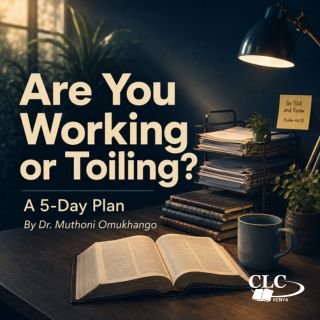
Square Image
320 × 320 ResolutionThis image will appear in search results or collections for your content.
View Square Image ↗

Landscape Image
1440 × 810 ResolutionThis image will appear when your Bible Plan is featured in a carousel.
View Landscape Image ↗Both images match the Bible Plan theme and are prepared in the required square and landscape dimensions.
Submission Pathways to YouVersion
For authors within the CLC Anglophone Africa ecosystem
Where Should Your Bible Plan Be Submitted?
The appropriate submission pathway depends on the publisher, the author’s community and the intended audience of the Bible Plan. Review the four pathways below and select the one that best fits your book and ministry context.
01
CLC Kenya Account
This pathway is for authors whose books have been published by CLC Kenya.
02
ACABA Account
This pathway serves ACABA authors whose books have been published by fellow publishers in Africa or elsewhere in the world.
03
MABB Account
This pathway is for Bible Plans based on books written for children and teenagers, whether the books are published by CLC Kenya or other publishers whose books are in the CLC Africa Ecosystem.
Author’s Own Account
An author may apply to operate an independent YouVersion partner account rather than submitting through an existing community organisation.
Opening an independent account may involve eligibility, onboarding, editorial and ongoing content-management requirements.
Which Pathway Fits Your Plan?
Use the CLC Kenya account.
Use the ACABA account.
Use the MABB account.
Explore opening an author account.
Advantages of Community Accounts
A community account offers more than a submission channel. It places authors within a collaborative ecosystem of training, encouragement, visibility and shared mission.
Companionship
Authors develop alongside other Christian writers rather than navigating the process alone.
Joint Events and Efforts
Authors can participate in shared launches, reading events, training sessions and promotional activities.
Editorial Support
Community review can strengthen biblical accuracy, clarity, structure, language and devotional quality.
Shared Learning
Authors benefit from the experience, mistakes, discoveries and best practices of the wider group.
Submission Guidance
Authors receive support in preparing titles, descriptions, categories, keywords, Scriptures and complete Plan content.
Greater Visibility
Plans can benefit from the recognition, networks and existing audience of the community organisation.
Account Administration
The community can help coordinate Plan entry, contributor information, corrections and submission processes.
Collaborative Promotion
Authors can support one another through coordinated campaigns, social media sharing and community reading activities.
Quality Accountability
Shared standards encourage authors to submit content that is biblically sound, well edited and ready for publication.
Long-Term Ministry Growth
Authors can continue developing new Plans, series and collaborative projects beyond a single submission.
Choose the Pathway That Best Serves the Reader
The goal is not simply to secure an organisational page for the author. The goal is to place each Bible Plan within the community and account that can best support its quality, audience and long-term ministry impact.
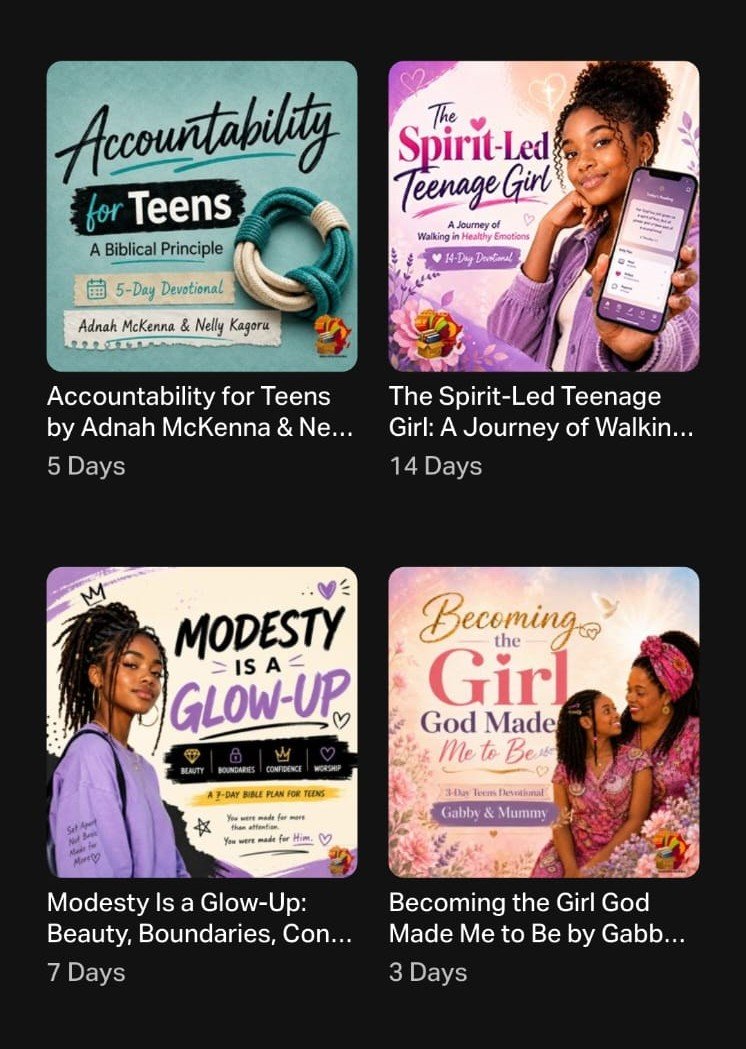
Creating YouVersion Plans for Children
Build short, visual and Scripture-centred Plans that children can understand, enjoy and apply.
How can each day hold a child’s attention while teaching biblical truth?
Know the Child
Choose a clear age group. Use vocabulary, examples and applications suitable for that stage of development.
Use One Picture Each Day
Include a strong illustration that supports the day’s message. Keep characters, colours and art direction consistent.
Keep the Reading Short
Use short sentences, brief paragraphs and one main truth. Avoid long explanations written for adults.
Make Scripture Central
Build every day around a Bible verse or passage. Explain it simply without weakening or changing its meaning.
Add Interaction
End with a question, prayer, simple activity, memory phrase or action the child can complete.
Use Media Carefully
Where suitable, add a short video, audio clip or animated visual. Media should clarify the lesson rather than distract from it.
One Day, One Truth, One Response
Before Submission, Check That:
Why Invest in Something That May Not Directly Make Authors Money?
Because Christian authorship is not just a commercial calling. It is an opportunity to participate in the Great Commission.
Books Can Become Missionaries
YouVersion gives African Christian authors an opportunity to take biblical messages beyond the printed page and place them directly into the hands of readers around the world.
With more than one billion installs across the YouVersion family of apps, the Gospel can advance from Africa to Africa and from Africa to the rest of the world.
The immediate return may not be book sales. The return may be a reader finding hope, meeting Christ, returning to Scripture or taking one faithful step because an author chose to give.
God Sees the Labour“The worker deserves his wages.”
1 Timothy 5:18 Christian service is not invisible to God. The One who calls, sends and sustains His labourers is also able to reward them.
CLC Kenya YouVersion Impact
These reports demonstrate what becomes possible when Christian authors contribute their messages to a shared digital mission.
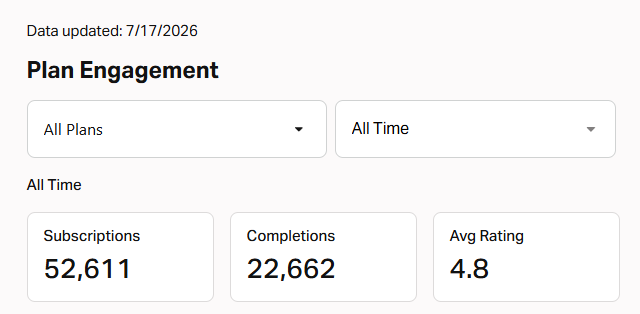
A snapshot of subscriptions, completions and engagement generated through CLC Kenya Bible Plans.
View Full Report ↗
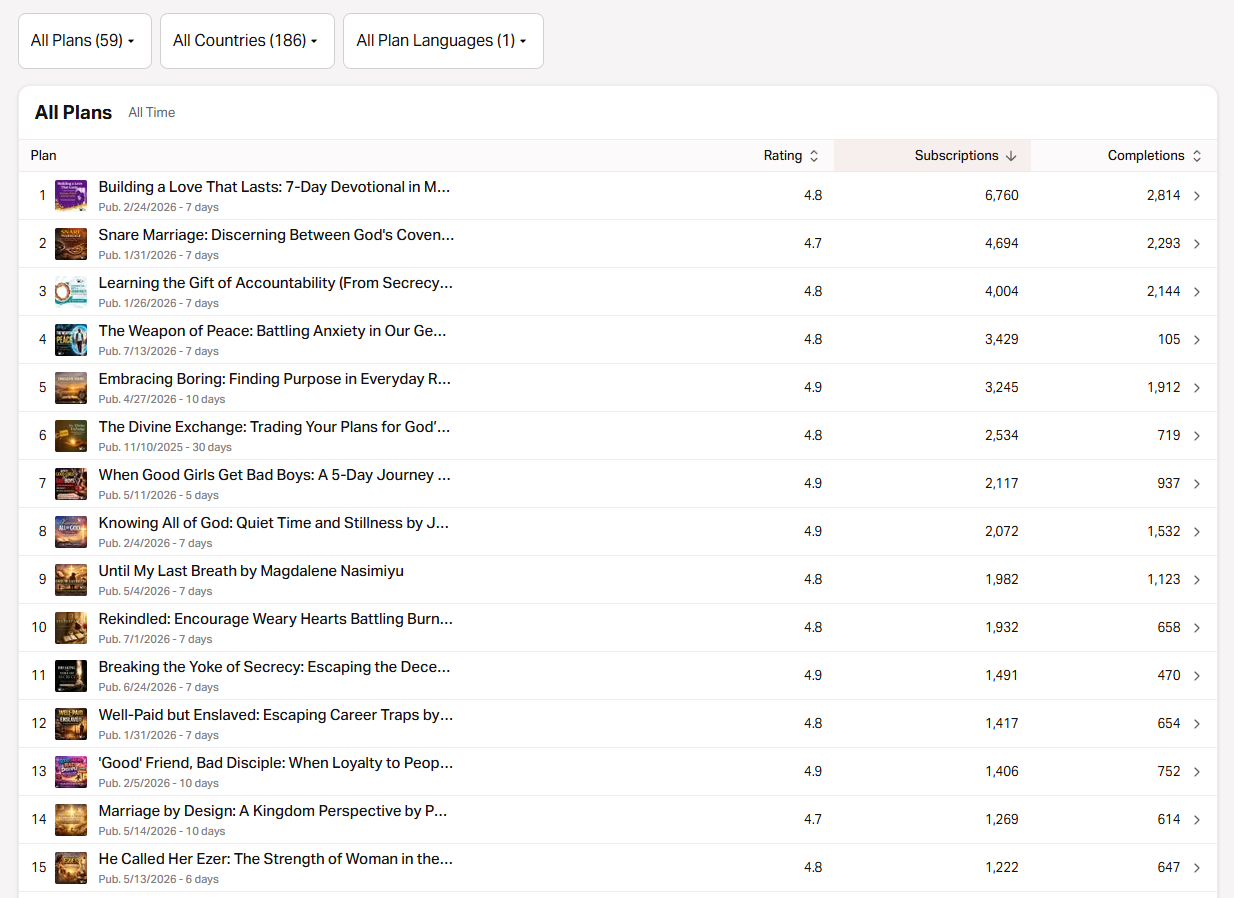
A comparison of the Bible Plans helping readers engage with Scripture through African Christian authors.
View Full Report ↗
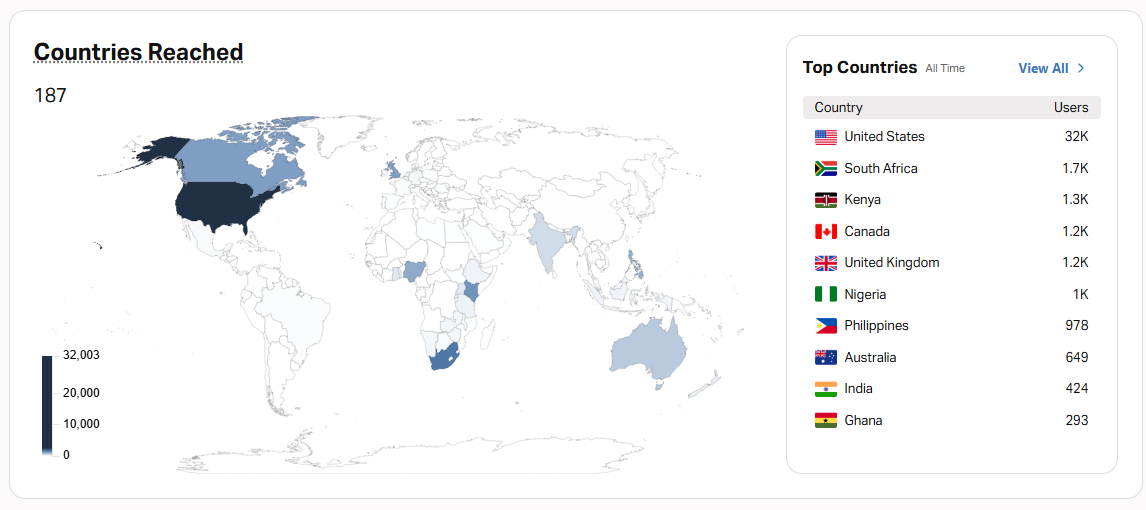
African Christian content is crossing geographical borders and reaching readers in nations across the world.
View Countries Reached ↗The Reward Is Bigger Than a Royalty Statement
Authors should pursue excellence, sustainability and fair compensation. Yet the deepest measure of Christian publishing is not only how many books were sold, but how many lives were reached with God’s Word.
Give the message faithfully. Let God determine where it travels, whom it transforms and how He rewards the labour.ACABA YouVersion Impact
A visual overview of the reach, engagement and global impact of African Christian authors through the ACABA YouVersion account.
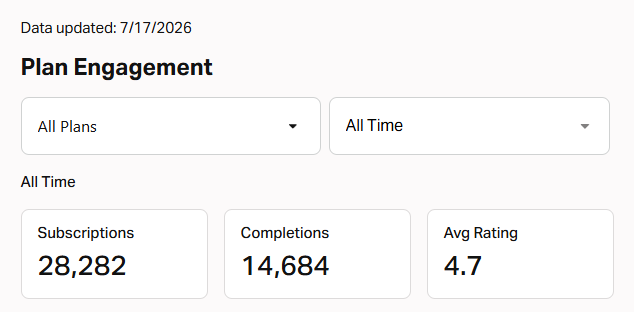
Reader Reach and Engagement
A six-month overview of subscriptions, completions and reader engagement across ACABA Bible Plans.
View Full Report ↗
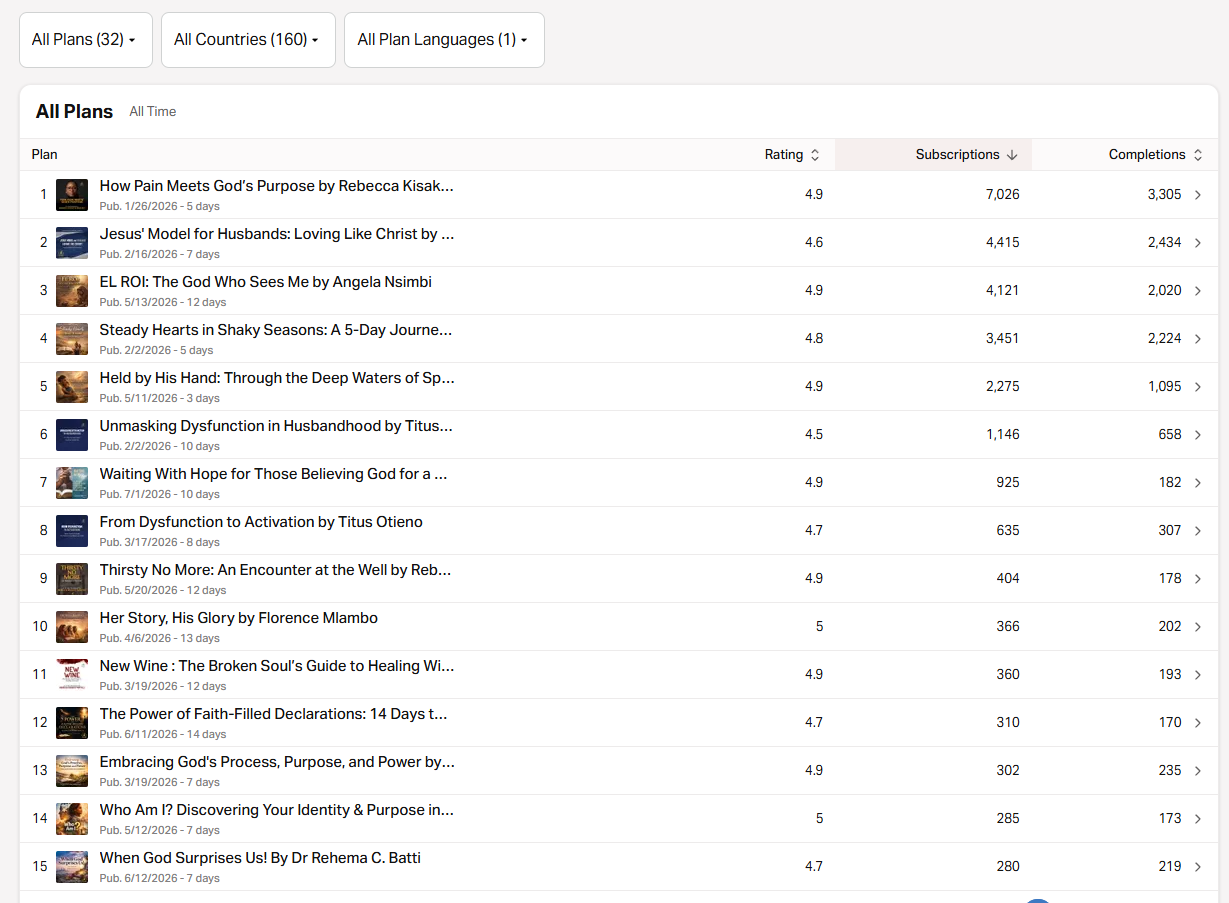
Leading ACABA Bible Plans
A comparison of the Plans attracting readers and helping them complete Scripture-centred devotional journeys.
View Plan Report ↗
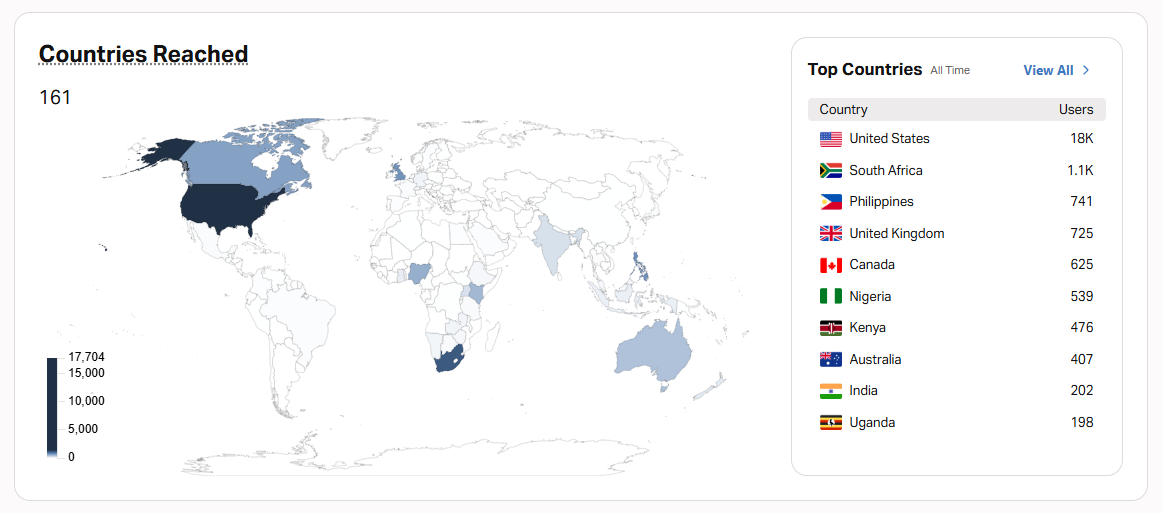
Countries Reached
African Christian messages are crossing borders and serving readers across Africa and the wider global Church.
View Countries Reached ↗African Authors Serving the Global Church
Every subscription represents a reader beginning a biblical journey. Every completion reflects continued engagement with God’s Word. Every country reached demonstrates the global value of African Christian voices.
MABB YouVersion Impact
A visual overview of how Mama Africa Book Box is helping children, teenagers and families engage with age-appropriate biblical content.
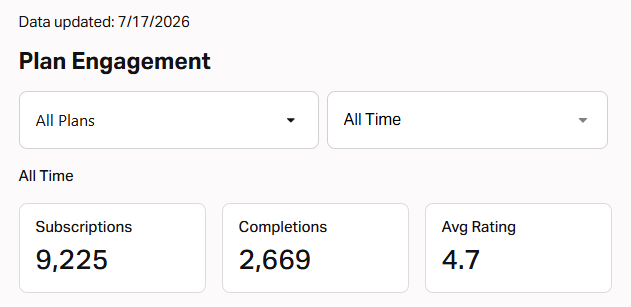
Reader Reach and Engagement
A six-month overview of subscriptions, completions and engagement across MABB Bible Plans.
View Full Report ↗
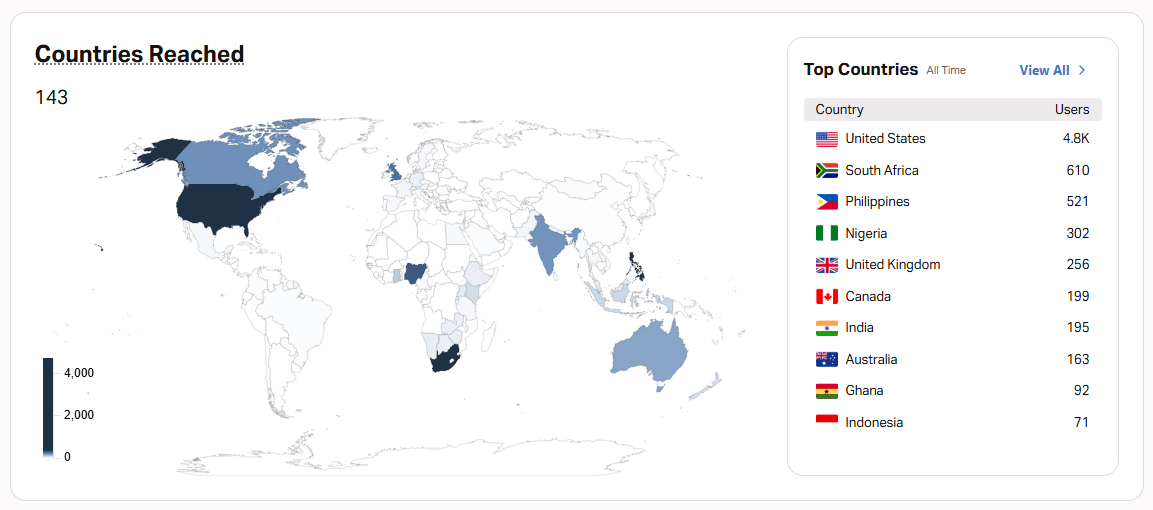
Leading MABB Bible Plans
A comparison of the children’s and teenagers’ Plans attracting readers and encouraging Scripture engagement.
View Plan Report ↗
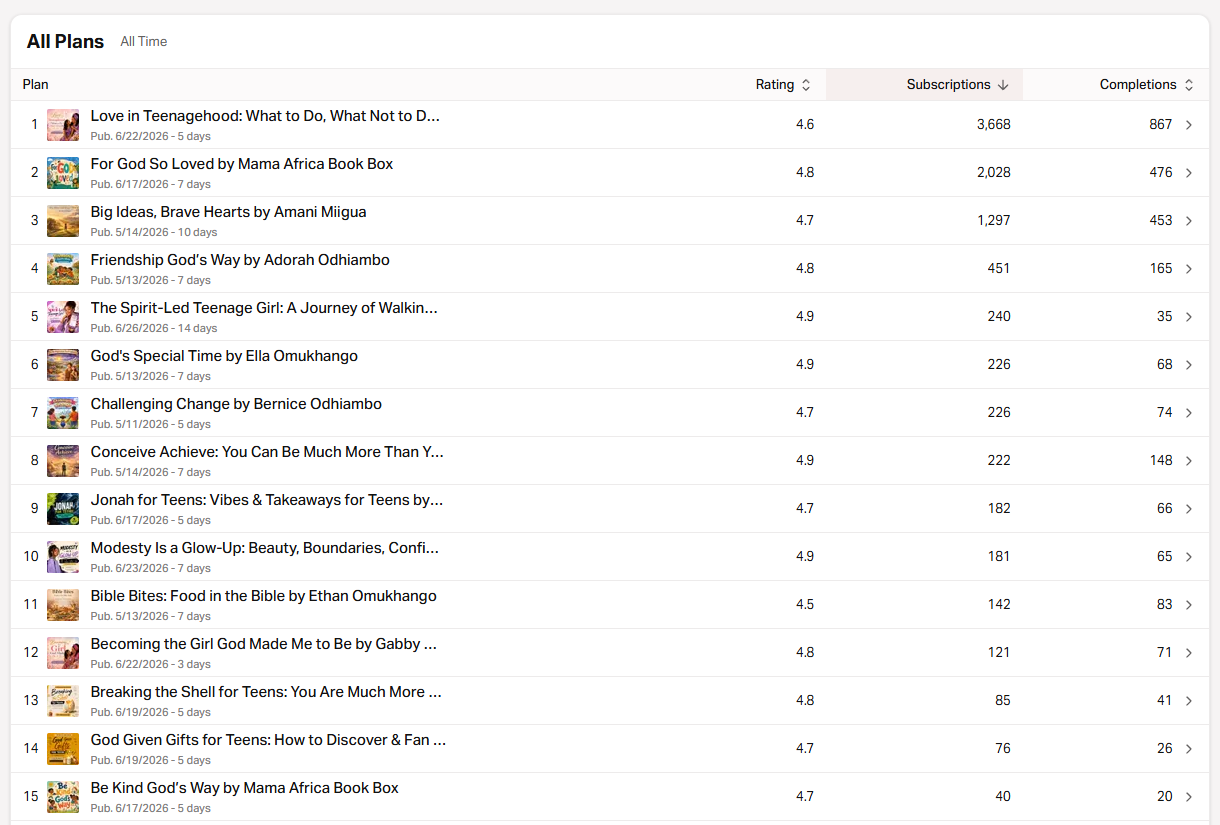
Countries Reached
Age-appropriate African Christian content is crossing borders and serving children, teenagers and families around the world.
View Countries Reached ↗Helping the Next Generation Engage with God’s Word
Every subscription represents a young reader or family beginning a biblical journey. Every completion reflects continued engagement. Every country reached shows the growing need for trusted, age-appropriate Christian content.
Top Plans and Impact (Jan-July 2026)
Celebrating Bible Plans carrying African Christian voices (from CLC Kenya, ACABA & MABB) to readers across the world.
CLC Kenya

Building a Love That Lasts (Barnie & Grace Achoki)
A seven-day devotional helping couples strengthen connection, deepen trust and build unity through intentional daily choices.
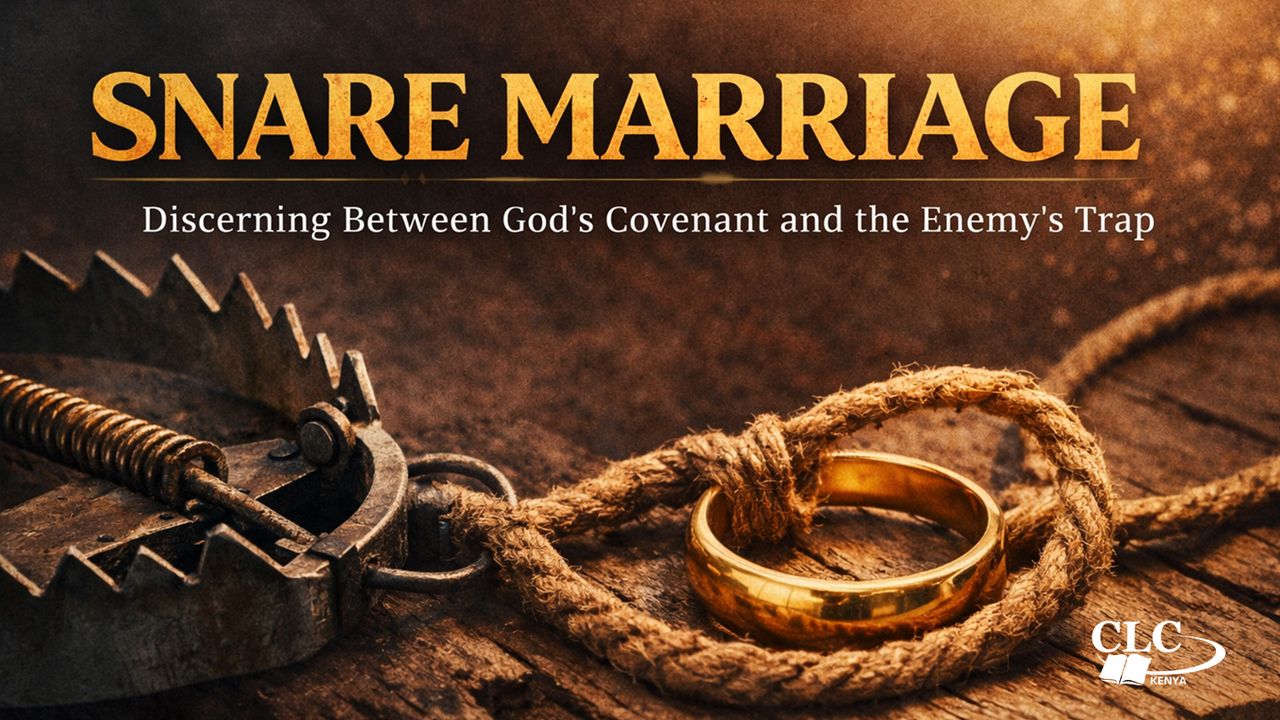
Snare Marriage (Patrick Omukhango)
A seven-day journey helping readers discern between God’s covenant design and relationships that hinder obedience.
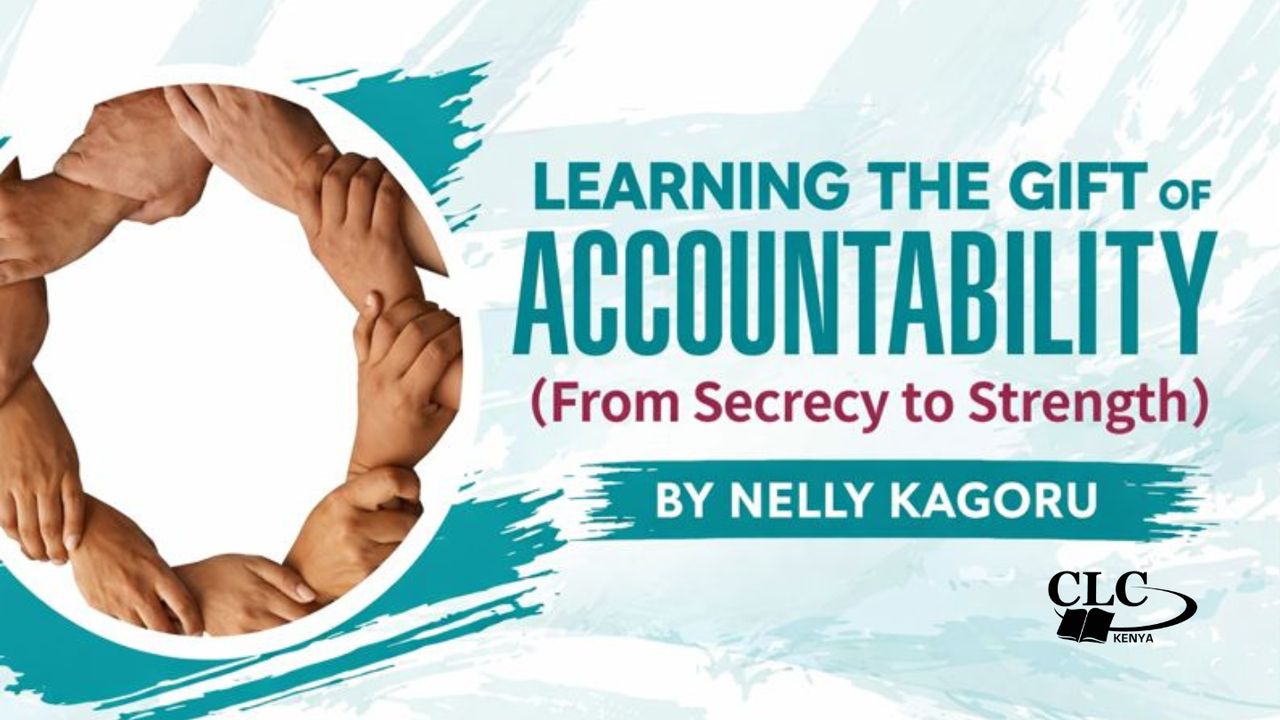
Learning the Gift of Accountability (Nelly Kagoru)
A Scripture-centred journey into honest relationships, responsibility, spiritual growth and mutual encouragement.
ACABA
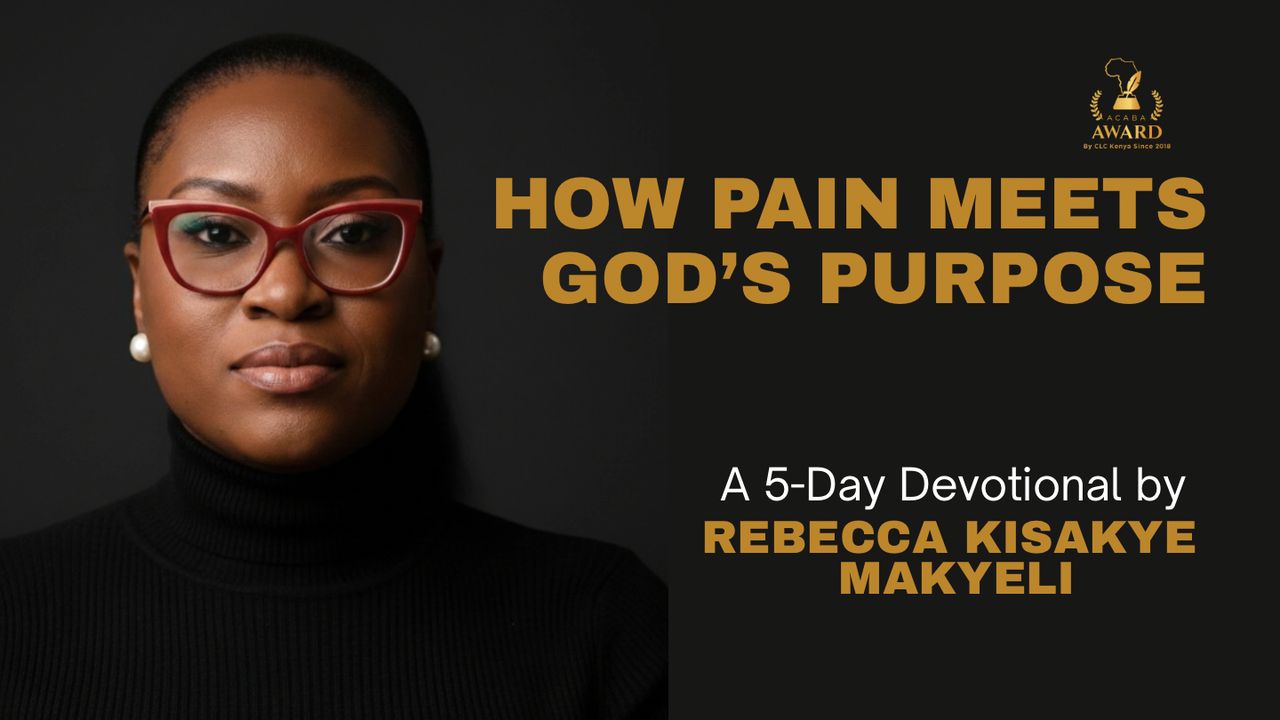
How Pain Meets God’s Purpose (Rebecca Makyeli)
A devotional journey helping readers recognise God’s redemptive work in seasons of pain, loss and difficulty.
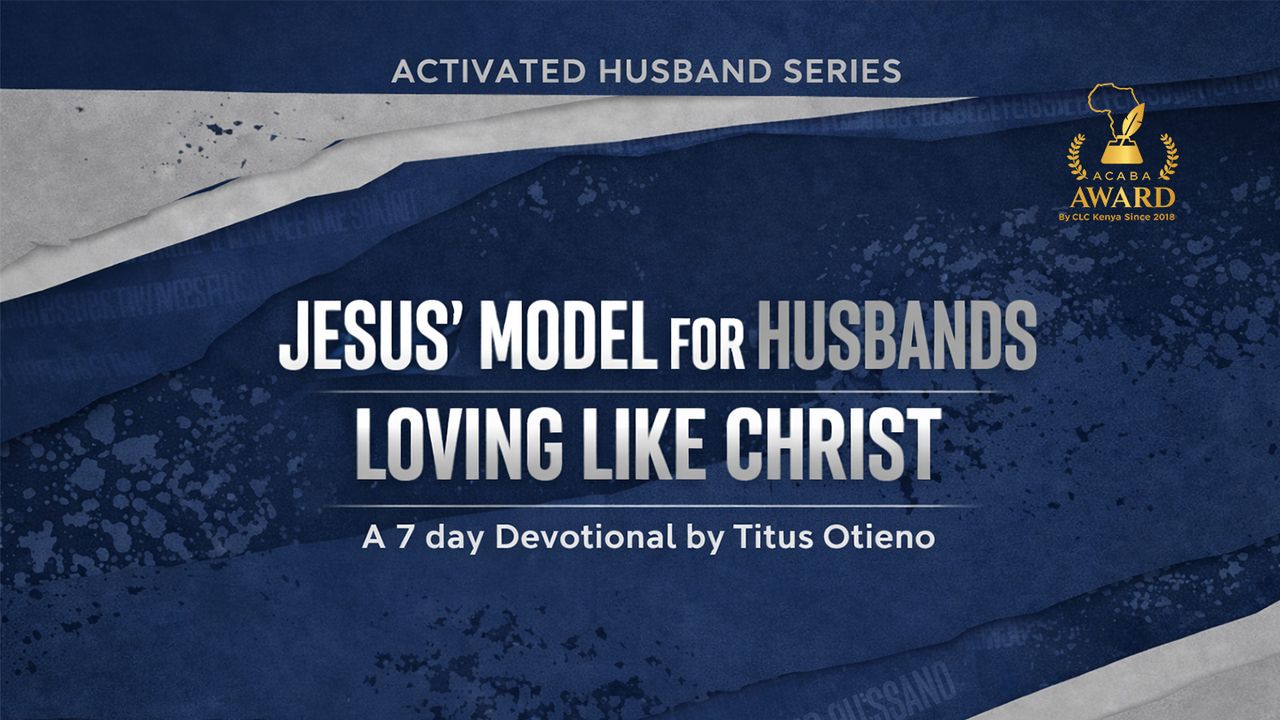
Jesus’ Model for Husbands (Titus Lwanda)
A seven-day devotional inviting husbands to follow Christ’s example of love, sacrifice, leadership and protection.
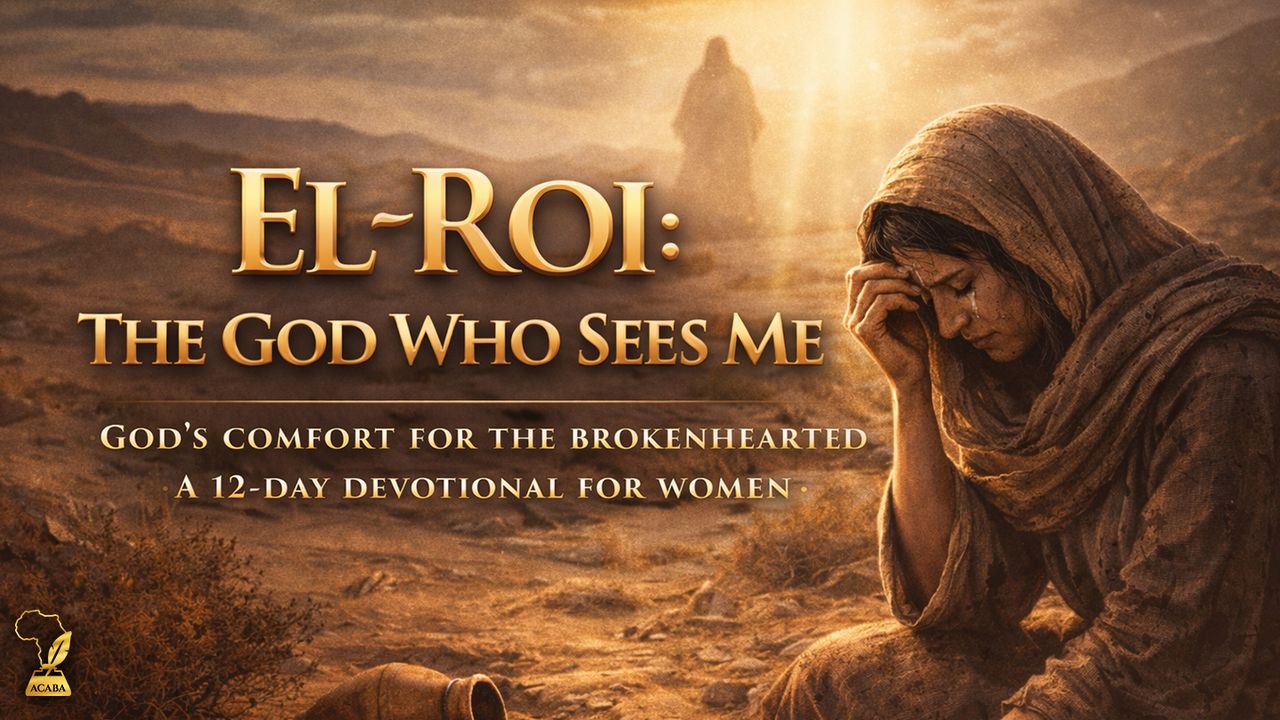
El Roi: The God Who Sees Me (Angela Nsimbi)
A twelve-day devotional reminding women who feel unseen or rejected that God knows, loves and calls them by name.
MABB

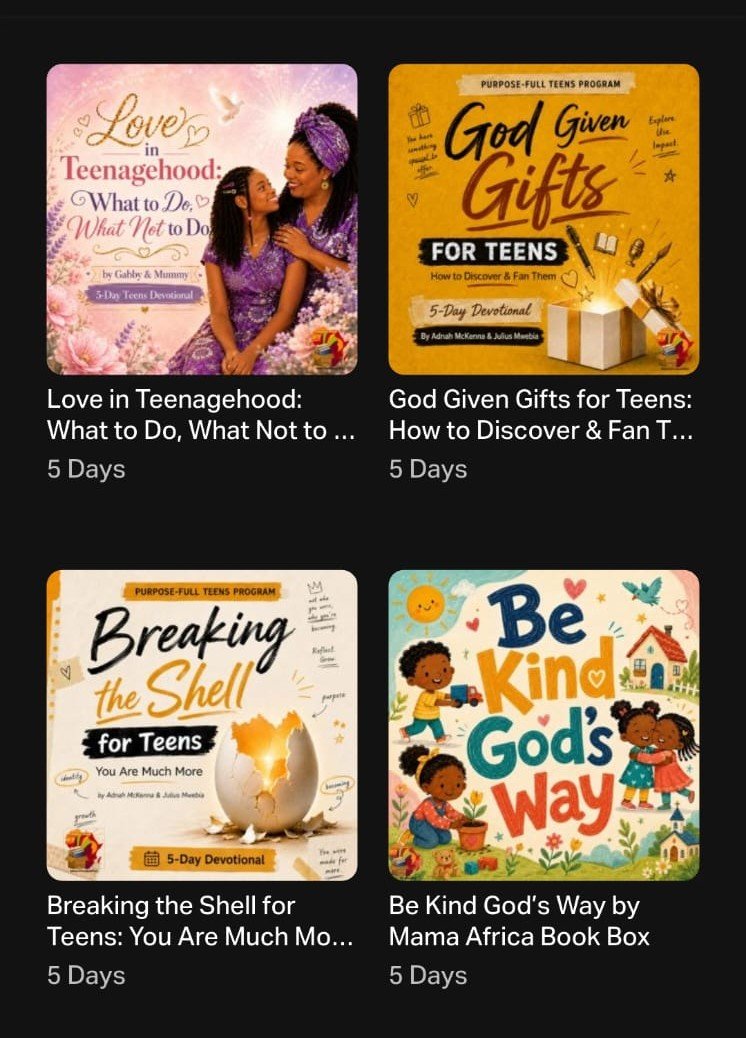
Love in Teenagehood (Gabby & Mummy Dr. Muthoni Omukhango)
A youth-focused Bible Plan guiding teenagers through love, emotions, boundaries, wisdom and godly relationships.

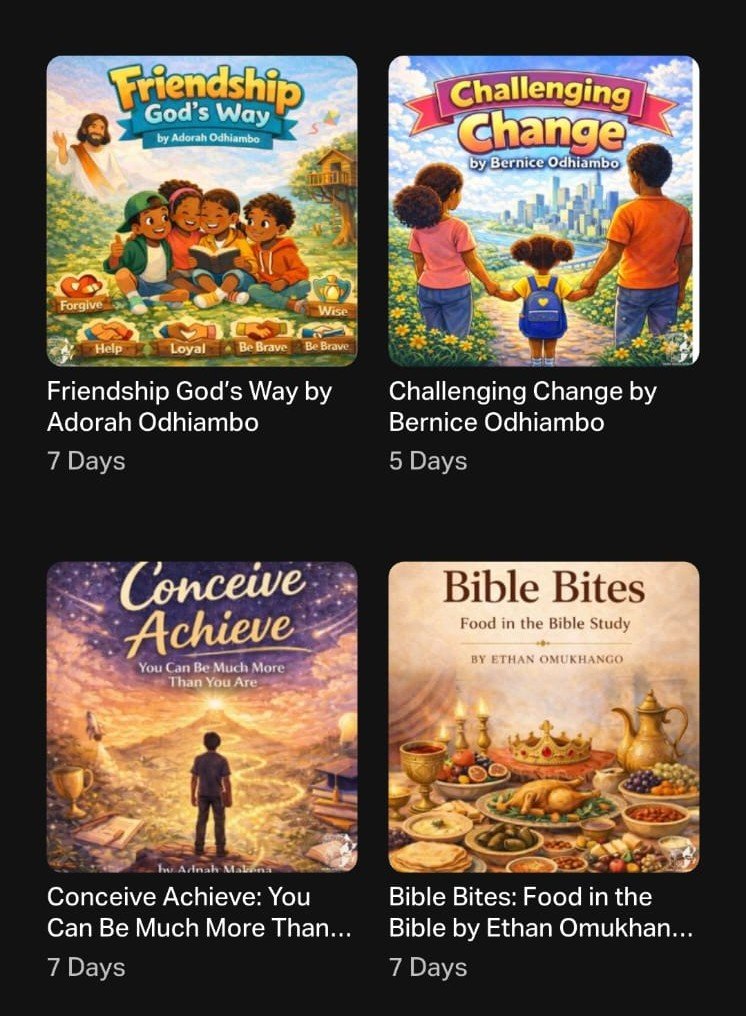
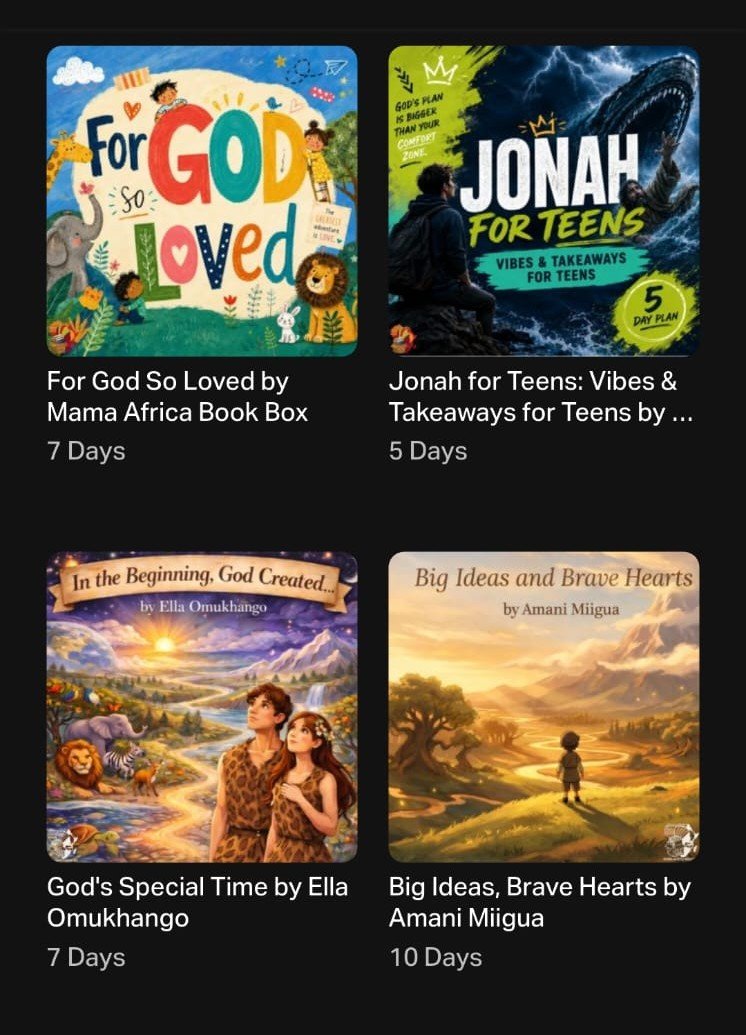
For God So Loved (Mama Africa Book Box Team)
An age-appropriate exploration of God’s love, the Gospel and the life-changing truth of John 3:16.

Big Ideas, Brave Hearts (Amani Miigua)
A children’s Bible Plan strengthening courage, confidence, character, wise thinking and perseverance through Scripture.
African Messages Are Reaching the Nations
Every subscription represents a reader beginning a journey. Every completion represents someone who continued through the message. Every country reached is evidence that African Christian voices can serve the global Church.

Watch the Full 1.5hrs Training Session
Replay the training session below. The video player is responsive and designed to work across modern desktop and mobile browsers.
Video not playing in your browser?
Watch the Replay on YouTube ↗CLC Africa Community
How to Join the CLC Africa Community
Choose the pathway that best represents your publishing journey.
Publish with CLC Kenya
Join the CLC Africa Community by publishing your Christian book through CLC Kenya’s author development and publishing programmes.
Explore PublishingJoin the ACABA Authors Network
Connect with African Christian authors through training, collaboration, recognition and continental networking.
Join the NetworkJoin as a Kid or Teen Author
Kids and teens can become part of the community by being published through CLC Kenya or participating in ACABA programmes for young authors.
Join the Young Authors CommunityJoin the Community
Connect with the CLC Kenya, African Christian Authors Book Award, Mama Africa Book Box and YouVersion Bible Plans teams for support, training, publishing opportunities and community engagement.
Jackline Ingasian
Secretary General, African Christian Authors Book Award
Chrystal Hera
Head of Outreach, Mama Africa Book Box
Shalom Kabithi
Administrative Assistant, YouVersion Bible Plans
Dr. Muthoni Omukhango
Contact the relevant team member and take the next step in your writing, publishing, outreach or Bible Plan journey.