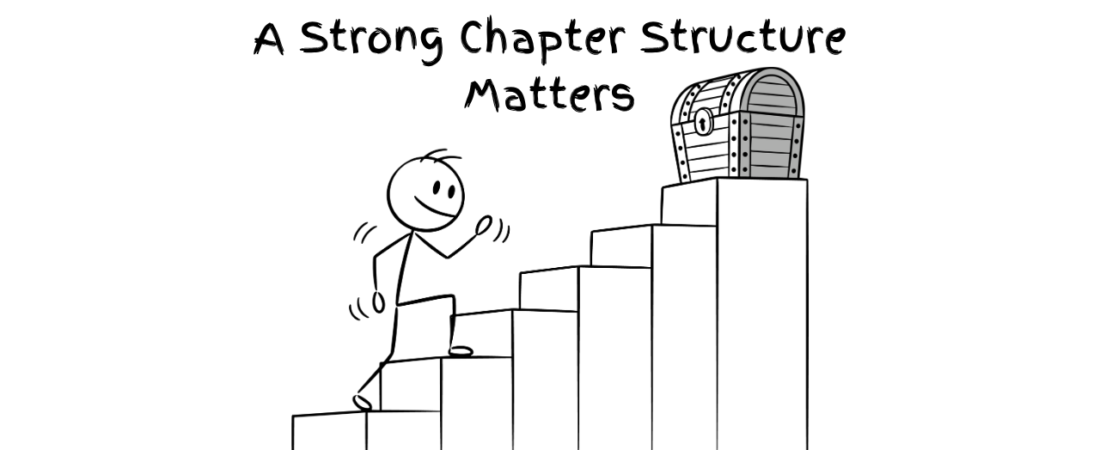
A good chapter should not feel like a heap of thoughts thrown together. It should move with purpose. The reader should know where they are being led, why it matters, and what they are meant to do with it.
Think of a chapter like a journey. It begins by opening the door, then walks the reader through truth, story, meaning, and response.
A simple chapter structure can look like this:
1. Opening Quote or Scripture
Begin with a quote, proverb, Scripture, or striking statement that captures the theme of the chapter.
2. Introduction
Introduce the main issue, question, or burden of the chapter. Keep it focused. This section prepares the reader for what is coming.
3. Body: Principles or Main Teaching
This is the heart of the chapter. Break the message into clear lessons, truths, or principles. Each section should build on the one before it.
4. A Story or Illustration
Stories make principles breathe. This can be a personal story, a testimony, a biblical example, or a real-life situation.
5. Application
Now bring it home. What should the reader do, change, avoid, begin, or reflect on?
6. Reflection
Give the reader space to pause. This may be through questions, journaling prompts, or quiet thought.
7. Prayer or Closing Charge
End with a prayer, blessing, encouragement, declaration, or practical tool.
The exact order may change depending on the kind of book, but the chapter should always feel organised and intentional.
Example 1: Teaching Chapter
Topic: Forgiveness
Opening Quote
“Forgiveness is not pretending the pain did not happen. It is choosing not to let the pain rule you.”
Introduction
Many people know forgiveness is right, but struggle to practise it when the wound is deep. This chapter explores what forgiveness is, what it is not, and why it is necessary for spiritual freedom.
Body: Principles
- Forgiveness is obedience to God
- Forgiveness is different from trust
- Unforgiveness keeps pain alive
- Forgiveness is a process, not always a moment
Story
Share the story of a woman betrayed by a close friend who later had to choose between bitterness and freedom.
Application
Encourage the reader to identify one unresolved offence, name the pain honestly, and begin surrendering it to God.
Reflection Questions
- Who do I still resent?
- What has unforgiveness cost me?
- What step can I take this week toward freedom?
Prayer
“Lord, I bring You the places in my heart that still hurt. Help me to release what I cannot heal on my own. Teach me to forgive as You have forgiven me.”
Example 2: Memoir or Personal Growth Chapter
Topic: A Season of Waiting
Opening Scripture
“But they that wait upon the Lord shall renew their strength…” (Isaiah 40:31)
Introduction
Waiting seasons often feel silent, confusing, and unfair. Yet many of God’s deepest works happen in places where nothing seems to be moving.
Body: Main Movements
- What the waiting season looked like
- What emotions arose in that season
- What God was stripping away
- What God was building in secret
Story
Tell the personal story of praying for open doors while facing repeated disappointment, and how God used delay to deepen trust.
Application
Show the reader how to respond in waiting: remain faithful, keep serving, stay rooted in prayer, and resist panic decisions.
Reflection
- What has delay revealed about my heart?
- Am I trusting God or merely tolerating Him?
- What good habit can I build while I wait?
Closing Charge
Waiting is not wasted when God is involved. Sometimes the chapter that feels slow is the one that carries the deepest roots.
Example 3: Devotional or Christian Living Chapter
Topic: Raising Children With Purpose
Opening Quote
“Children do not only need protection. They need direction.”
Introduction
Many parents focus on behaviour, school, and safety, but forget that a child is also carrying purpose. A godly parent must look beyond the present and ask what God is building in that child.
Body: Principles
- Every child is created with purpose
- Parents must pay attention to gifting and temperament
- Training must go beyond discipline
- Home should nurture both character and calling
Biblical or Real-Life Story
Use Hannah, Samuel, or Timothy as a biblical illustration, or tell a story of a child whose gifts were noticed and nurtured early.
Application
Encourage parents to observe their children more carefully, speak life over them, and create room for growth in their areas of strength.
Reflection Questions
- What strengths do I see in my child?
- Am I only correcting weaknesses, or also nurturing purpose?
- What words am I consistently speaking over my child?
Prayer
“Father, help me to see this child as You see them. Give me wisdom to nurture their purpose, courage to guide them well, and grace to parent with vision.”
Three Simple Tips for Writers
- First, let each chapter carry one main burden. Do not force too many ideas into one chapter.
- Second, make sure the chapter moves forward. It should not circle around the same point again and again.
- Third, end in a way that helps the reader respond, not just admire the writing.
A strong chapter does not only inform. It leads, lands, and leaves something behind.
Example…
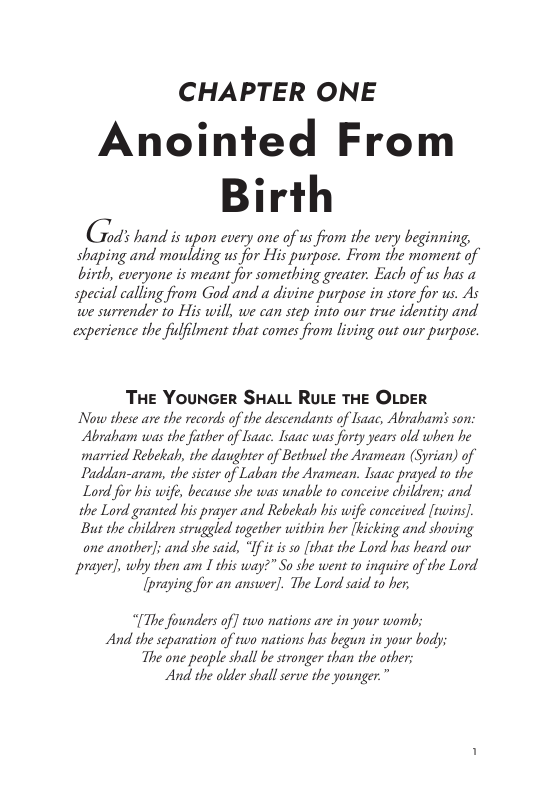
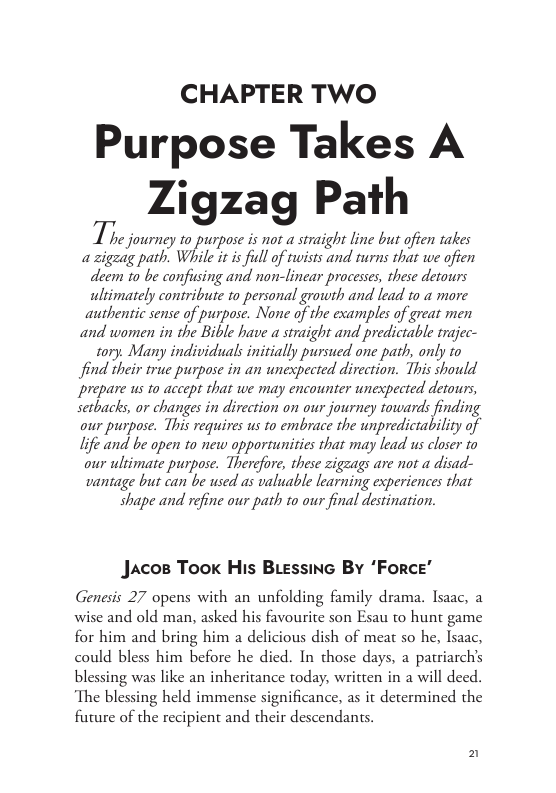
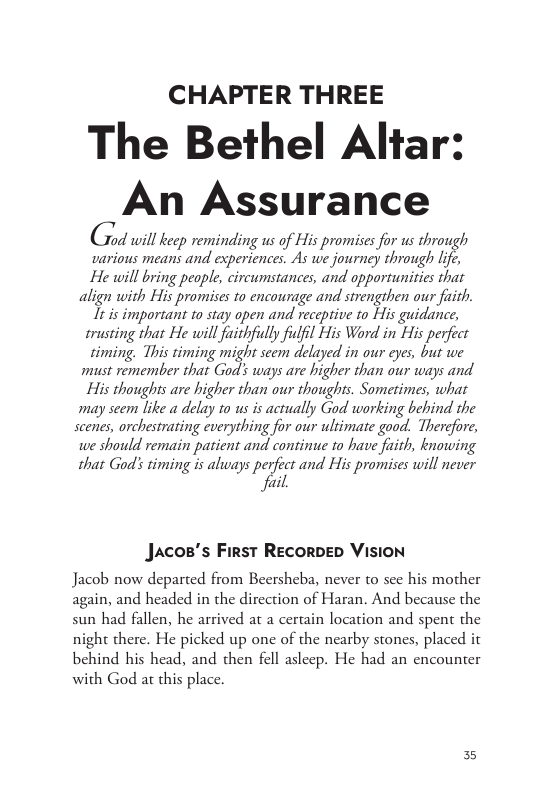
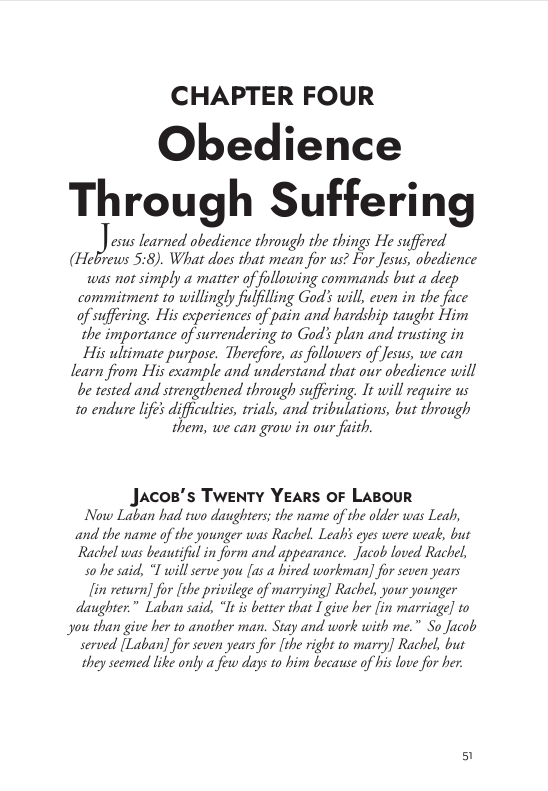
Jesus Killed My Business uses a similarly deliberate and recognisable chapter opening style.
Each chapter begins with a bold, prominent title that immediately announces the central theme, followed by a short introductory reflection that frames the lesson in a devotional and thought-provoking way.
The opening then moves naturally into a biblical story, character, or moment that anchors the chapter’s message in Scripture before unfolding the wider teaching.
This approach gives the book both clarity and consistency. The reader is not thrown into the chapter abruptly, but is gently led from theme, to reflection, to biblical foundation.
It is a strong opening style because it is simple, purposeful, and easy to follow, while also giving the book a distinct voice and rhythm from chapter to chapter.
Getting Started: Publishing Books
Preparing to Write/Publish
No posts found!
Elementary Skills: Publishing Books
How to Write
No posts found!
Technical Skills: Publishing Books
Refining Your Manuscript
No posts found!
Advanced Skills: Publishing Books
Going the Extra Mile
No posts found!
Contractual Skills: Publishing Books
Be Informed (Not Legal Advice)
No posts found!