A devotional book is a literary work designed to provide spiritual inspiration, guidance, and reflection for readers seeking to deepen their faith and relationship with God. These books typically contain a series of short readings or reflections, often based on Scripture or spiritual themes, intended to be read daily or periodically for personal or group study.
Overall, devotional books serve as spiritual companions, guiding readers on their journey of faith, encouraging deeper intimacy with God, and inspiring daily acts of devotion and discipleship.
Key characteristics of devotional books include:
- Scriptural Basis: Devotional books are often rooted in Scripture, with each reading or reflection drawing from specific Bible passages or themes to convey spiritual insights and teachings.
- Short Format: Devotionals are typically structured into short, easily digestible readings or reflections, making them suitable for daily or regular consumption. These concise formats cater to busy lifestyles and allow readers to engage with the material without feeling overwhelmed.
- Structured Format: Devotional books are often organized into daily or weekly readings, allowing readers to engage with a new reflection or meditation each day. Each devotional structure needs to be in the same format and almost same length i.e. you can choose to start with an opening Scripture or quote, then the body of the devotional, followed by a practical example from your life or from the life of others, a conclusion and then reflection question and prayer. This structure needs to be followed in every following devotional.
- Reflective Content: Devotional books aim to inspire reflection, introspection, and personal growth by exploring themes such as faith, prayer, gratitude, forgiveness, and spiritual disciplines. They often include questions for contemplation or prompts for journaling to deepen engagement with the material.
- Variety of Authors and Perspectives: Devotional books may feature contributions from various authors, theologians, pastors, or spiritual leaders, offering diverse perspectives and insights into the Christian faith. This diversity allows readers to explore different approaches to spirituality and connect with voices that resonate with their experiences and beliefs.
- Thematic Focus and Practical Application: Many devotional books include practical applications or actionable steps for readers to apply the spiritual principles discussed in their daily lives. These applications may range from simple acts of kindness to deeper practices of prayer, meditation, or service.
- Accessible Language: Devotionals are typically written in clear, accessible language that appeals to readers of all ages and levels of spiritual maturity. The language used is often conversational, engaging, and relatable, fostering a sense of connection and intimacy between the reader and the author.
Examples: Classic
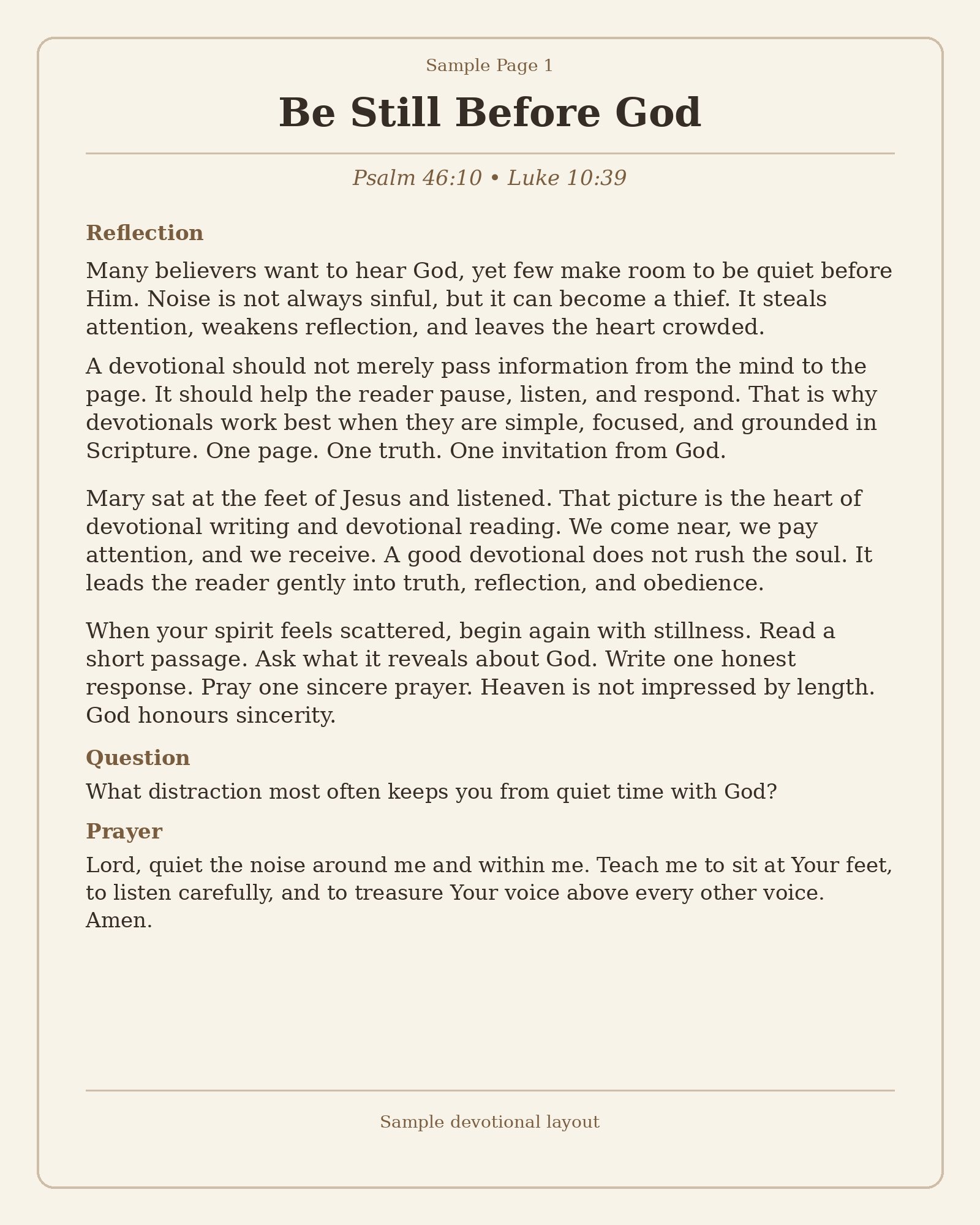
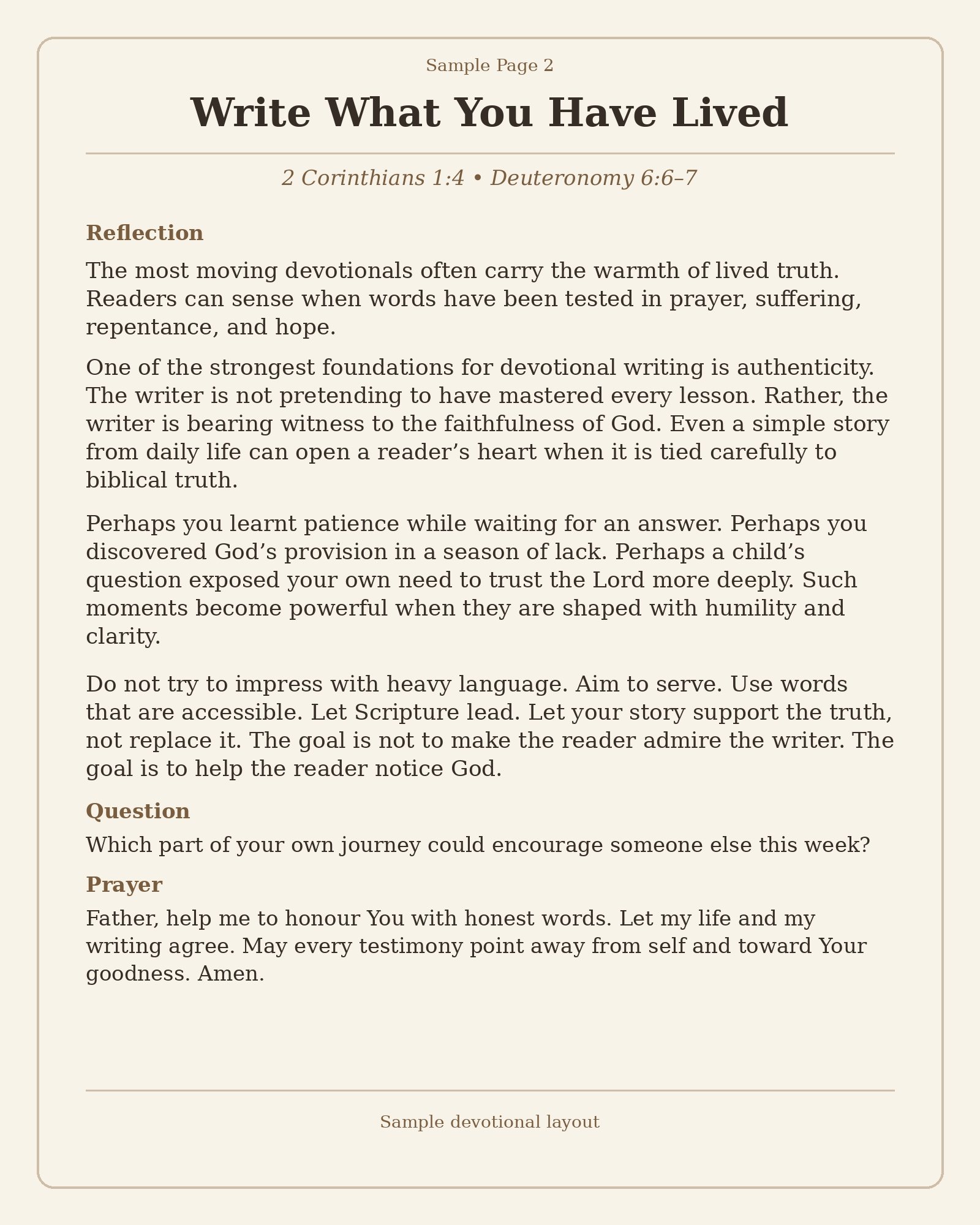
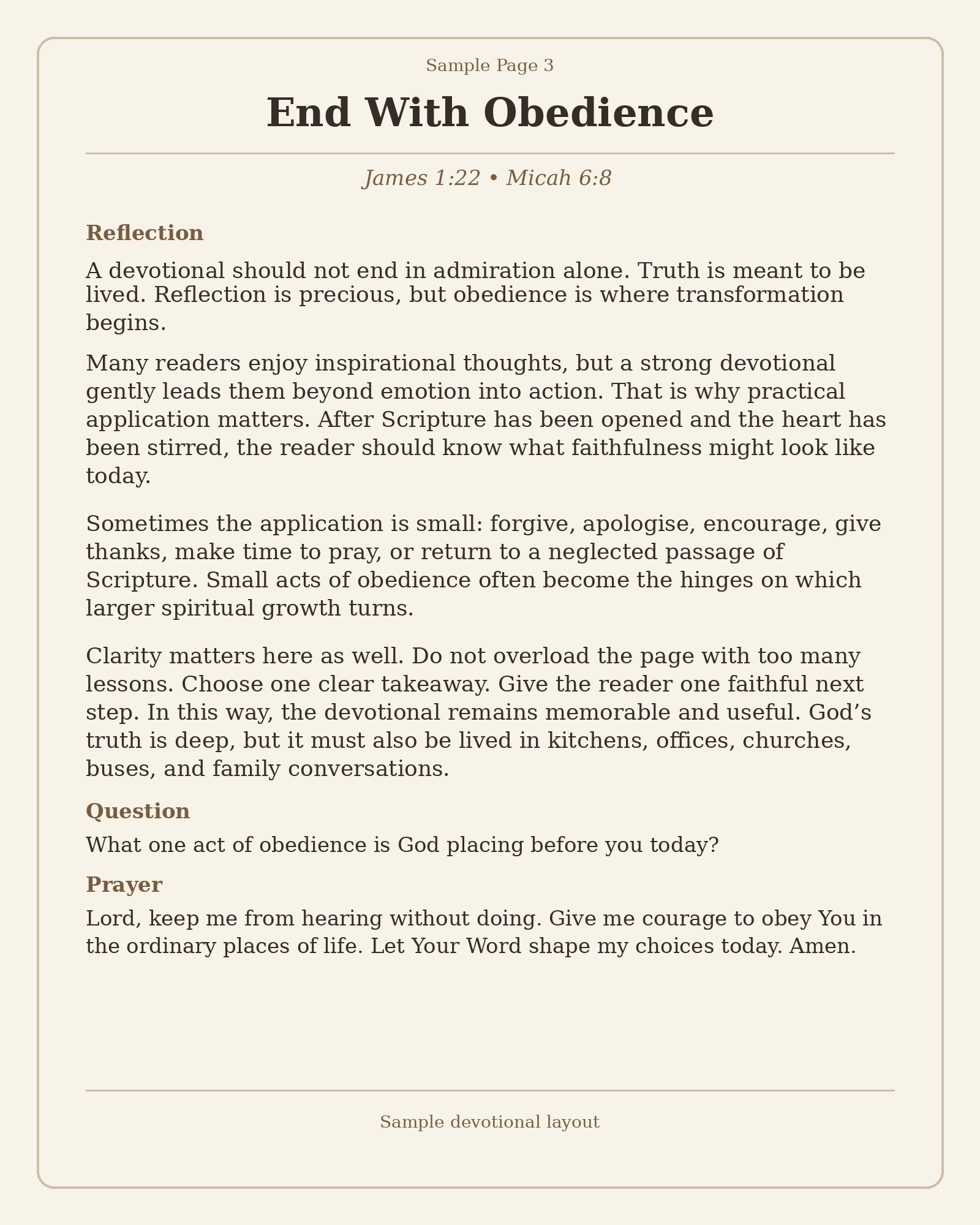
Examples: Classic
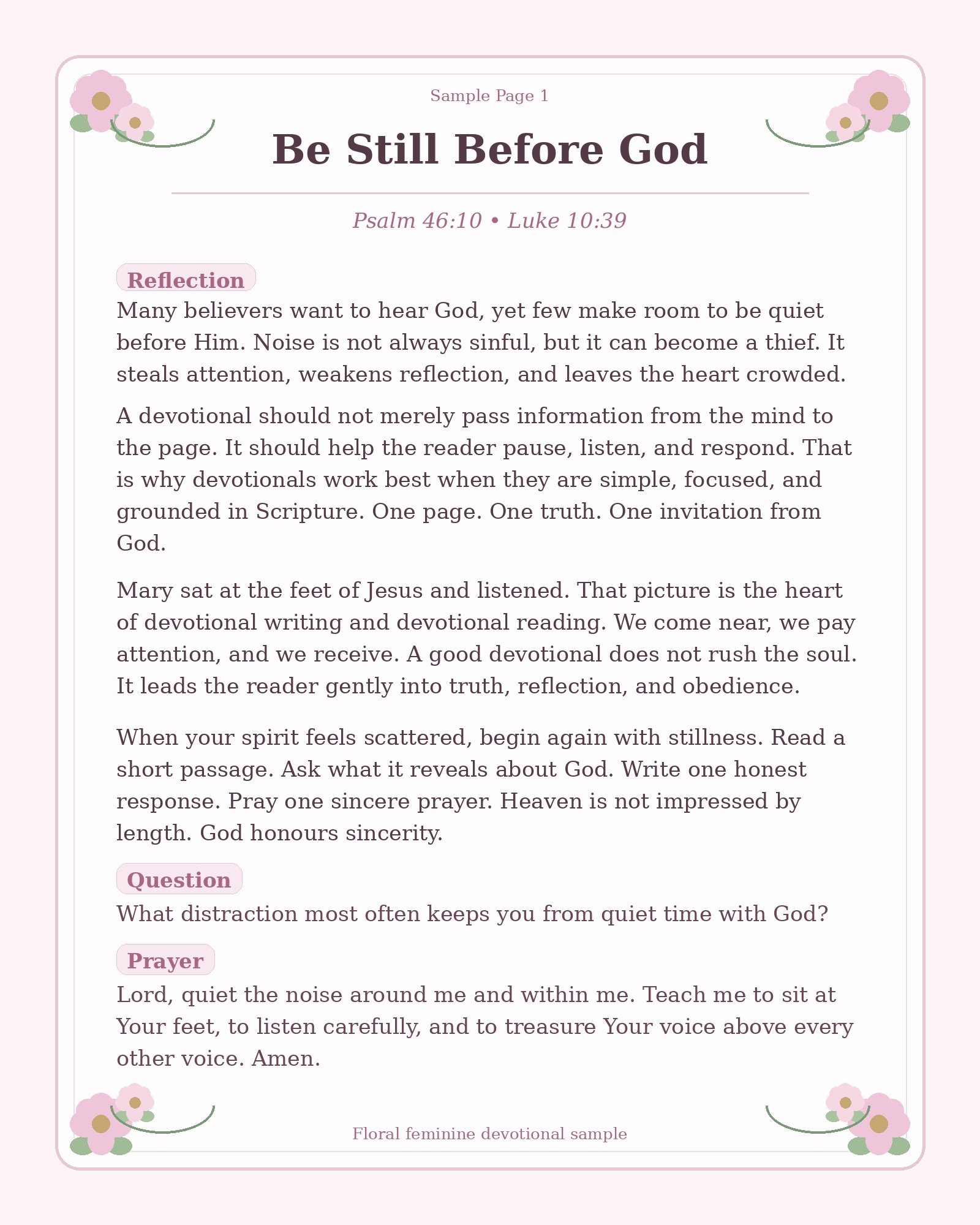
Tips from Katara Washington Patton from Our Daily Bread Publishing at the Publishing in Color, USA Conference
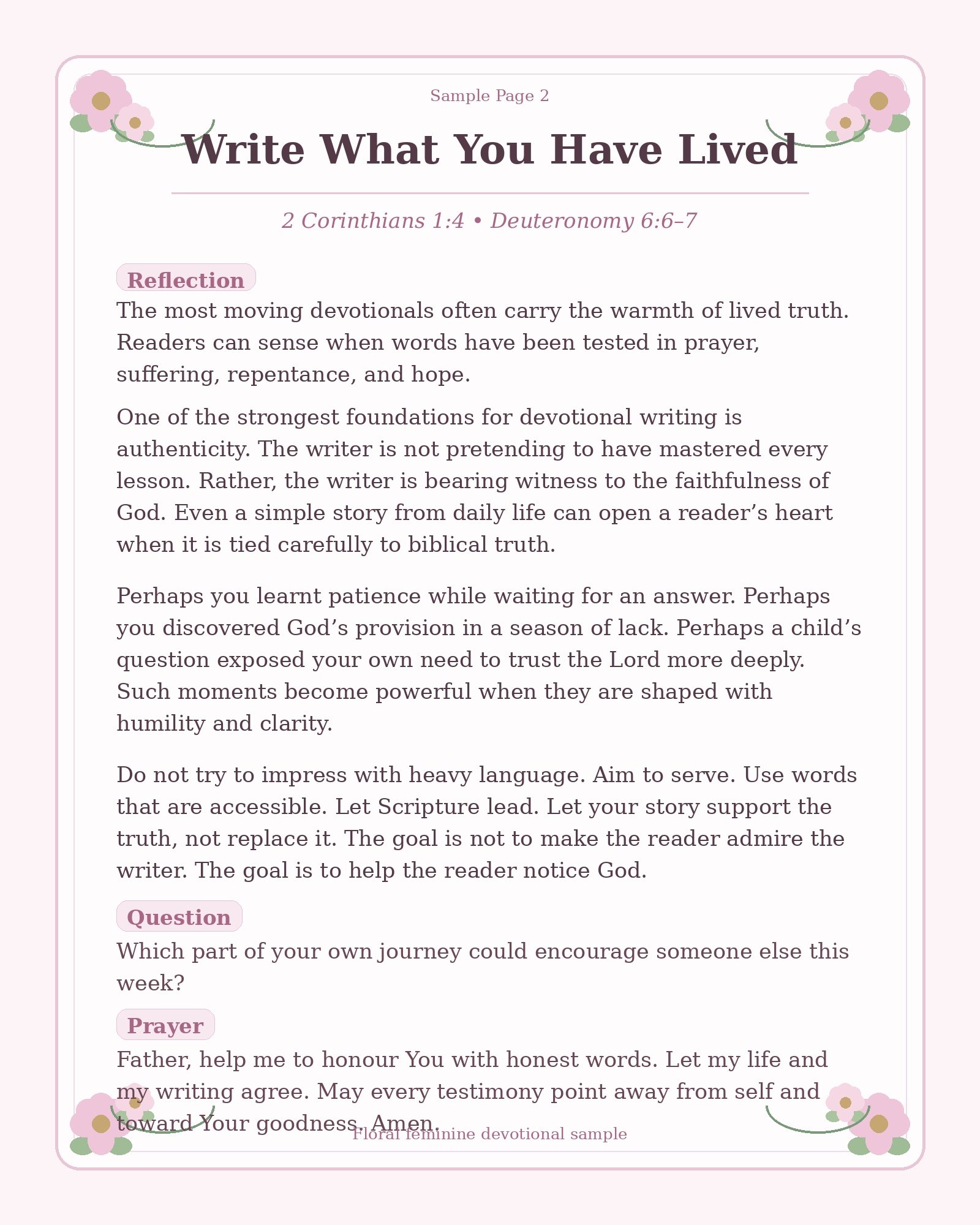
Live the Message: Embody the truths you convey in your devotional, reflecting a genuine and deep-rooted relationship with God. Just as effective preachers live the Scriptures they preach, devotional writers should embody the truths they share. This authenticity stems from a deep-rooted relationship with God, which I encourage nurturing continually.
Stay Relevant: Keep abreast of current events and societal dynamics to contextualize Biblical truths, ensuring relevance and applicability to your audience’s lives. This implies contextualizing Biblical truths within the realities of your audience, ensuring relevance and applicability.
Seek Inspiration: Draw from diverse sources, including personal experiences, Scripture, and insights from others, to inspire and enrich your writing. Commentaries and diverse perspectives enrich your understanding of Scripture, aiding in crafting insightful and well-grounded devotions.
Craft Compelling Stories: Begin your devotional with engaging narratives or anecdotes that capture readers’ attention and resonate with the message you’re conveying.
Focus on Clarity: Maintain clarity in your writing, using simple language and avoiding unnecessary jargon or complex theological concepts that may hinder understanding. Word count is paramount in devotional writing, often requiring brevity without compromising depth. Embracing the challenge of distilling complex concepts into concise narratives fosters precision in language and clarity of message.
Understand Your Writing Style and Tendencies: This is key to honing craft. Whether it’s selecting the perfect punctuation mark or refining word choice, self-awareness facilitates effective communication.
Encourage Reflection: Prompt readers to reflect on their faith journey, encouraging introspection, growth, and deeper spiritual connection.
Include Scripture: Ground your devotional in Biblical truths by integrating relevant Scripture passages that reinforce and illuminate your message.
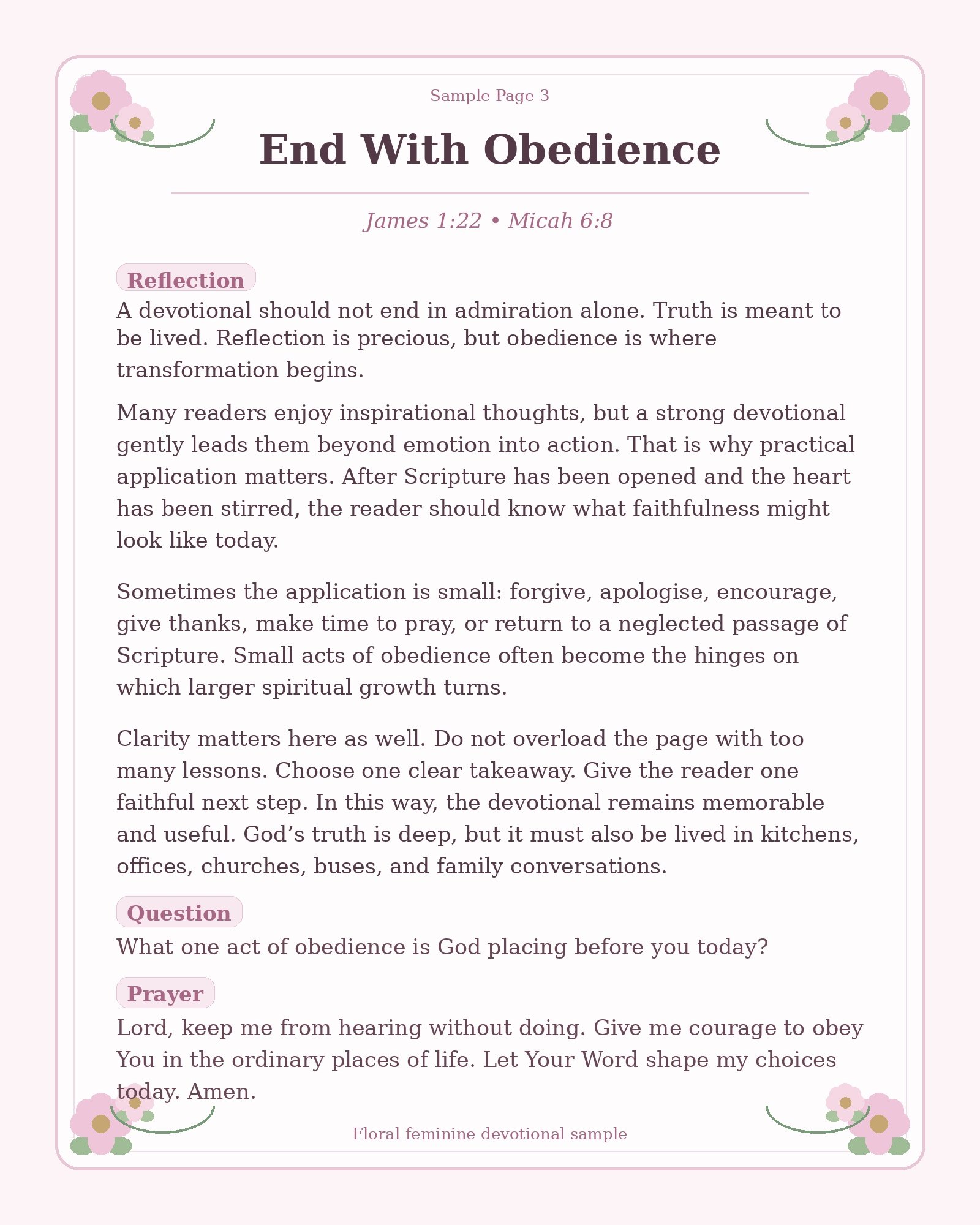
End with Application: Provide practical applications or actionable steps that readers can take to apply the insights from your devotional to their daily lives.
Pray for Guidance: Seek divine guidance and inspiration through prayer, inviting the Holy Spirit to lead and illuminate your writing process. Devotional writing is not merely a literary exercise but an offering to God for His use. Holding your work with open hands allows room for divine inspiration and intervention in impacting lives.
Revise and Refine: Review and revise your devotional, ensuring clarity, coherence, and alignment with your intended message before sharing it with others.
Read Other Good devotionals:
As a devotional writer, reading other good devotionals offers numerous benefits and can significantly enhance your writing and spiritual growth:
Inspiration: Exposing yourself to well-written devotionals can spark creativity and inspire fresh ideas for your own writing. You may discover new approaches, themes, or writing styles that resonate with you and ignite your creativity.
Learning from Others: Reading devotionals penned by other writers allows you to observe and learn from their writing techniques, storytelling skills, and methods of engaging readers. You can glean insights into effective ways of conveying spiritual truths and connecting with your audience.
Deepening Understanding: Engaging with a variety of devotionals expands your understanding of Scripture, theological concepts, and spiritual practices. You may encounter different interpretations of Biblical passages or gain new perspectives on familiar themes, deepening your own spiritual insight and understanding.
Strengthening Faith: Reading uplifting and spiritually enriching devotionals can strengthen your own faith and nurture your relationship with God. Immersing yourself in the writings of fellow believers can foster a sense of community and solidarity in your spiritual journey.
Cultivating Humility: Recognizing the talent and wisdom of other devotional writers can cultivate humility within you, reminding you that you are part of a broader community of faith and learning. It humbles you to acknowledge that there is always more to learn and room for growth in your writing and spiritual walk.
Encouragement and Support: Reading other good devotionals can offer encouragement and support, especially during seasons of spiritual dryness or writer’s block. Witnessing how other writers navigate similar challenges or share their own struggles can provide comfort and reassurance that you are not alone in your journey.
Refining Your Craft: Analysing and evaluating the strengths and weaknesses of other devotionals can help you refine your own writing skills and craft. You can identify effective writing techniques to emulate and areas for improvement in your own work.
Training by: Dr. Muthoni Mercy Omukhango
Getting Started: Publishing Books
Preparing to Write/Publish
No posts found!
Elementary Skills: Publishing Books
How to Write
No posts found!
Technical Skills: Publishing Books
Refining Your Manuscript
No posts found!
Advanced Skills: Publishing Books
Going the Extra Mile
No posts found!
Contractual Skills: Publishing Books
Be Informed (Not Legal Advice)
No posts found!