




Beyond the Book Table: Preparing for an ACABA Bookfest

Beyond the Book Table: Preparing for an ACABA Bookfest

Authors Training & Empowerment

Beyond the Book Table Preparing for an ACABA Bookfest

An author’s guide to travel, meaningful connections and cross cultural ministry

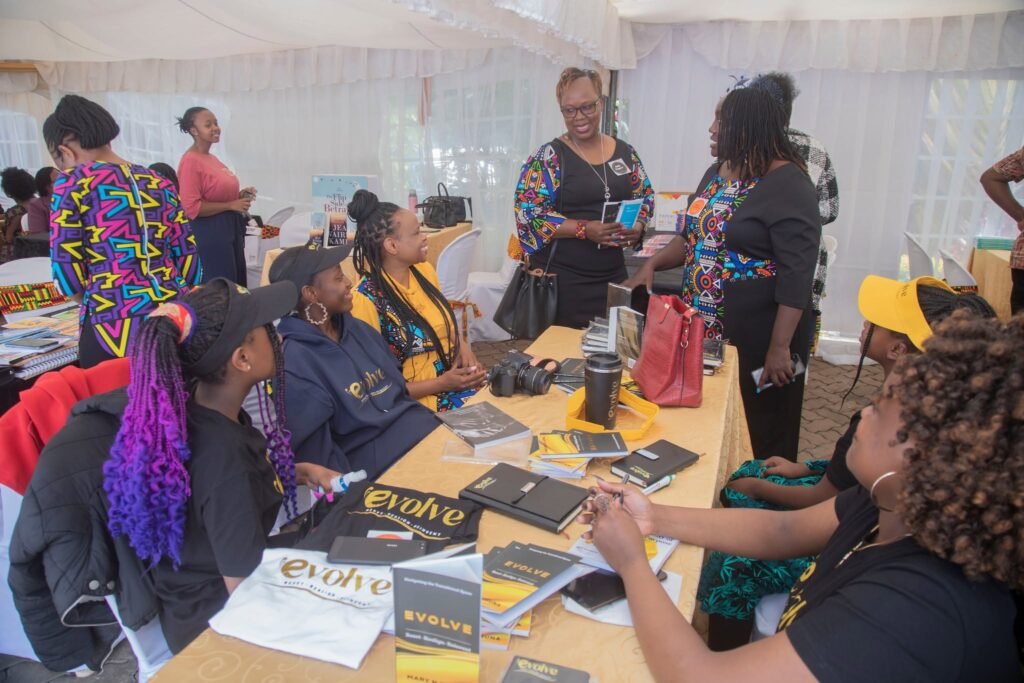
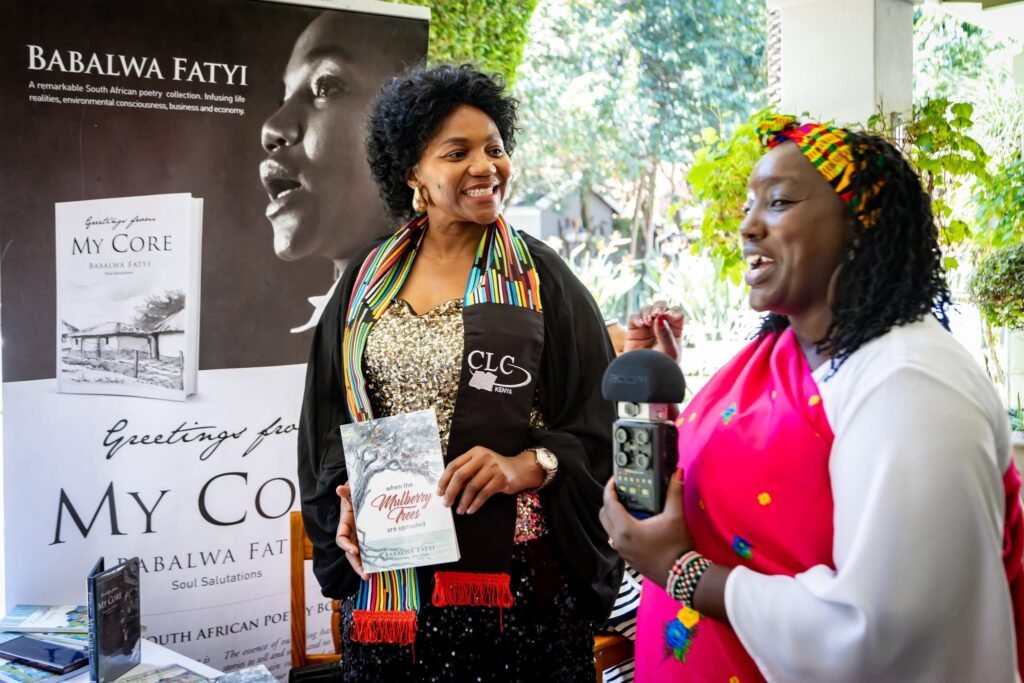
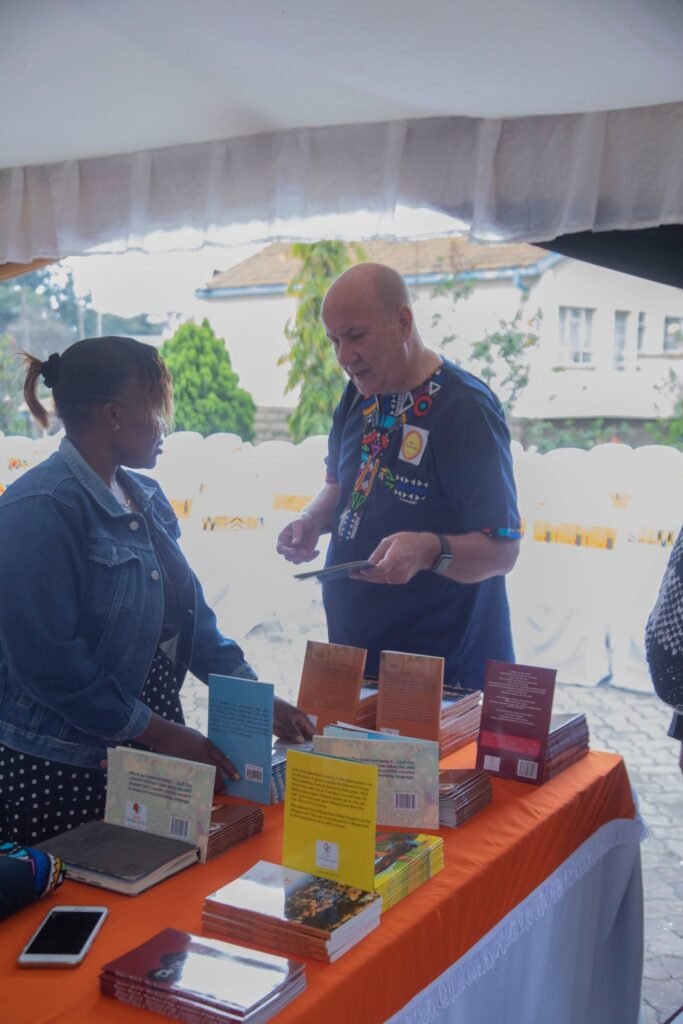
An ACABA Bookfest is an opportunity to share your book, meet readers, learn from fellow authors and build relationships across borders. Whether you attend a gathering in Kenya, Eswatini, South Africa or another country in future, thoughtful preparation will help you participate fully and serve others well.

This training applies to national and regional Bookfests in any year. The 2026 gatherings in Eswatini, Durban and Nairobi offer examples, but destinations, dates and themes will change. The preparation principles remain the same.

Part One of Four
— CLC AUTHORS ACADEMY —

Prepare Your Heart and Understand the Place

“Know why you are going and whom you are going to serve.”

Author Preparation Series • Part 1 / 4
— CLC AUTHORS ACADEMY —

1. Begin with the Purpose of Your Journey

Before booking a ticket or packing a book, ask yourself:

  • Why am I attending this Bookfest?
  • Who might benefit from my book?
  • Which readers, authors, publishers or ministry partners would I like to meet?
  • What would make this journey fruitful beyond book sales?

Set a few realistic goals. You may want to introduce your book to new readers, explore distribution in another country, learn from fellow authors, or begin a partnership.

Hold those goals with open hands, because some of the most meaningful connections will be unexpected.

Understand the Theme of the Year

Consider how you can contribute to it. For example, the 2026 theme, “Continental Connections That Impact!”, encourages authors to build relationships that continue serving readers long after the event.

Come ready to flow with the purpose of the gathering, rather than focusing only on your own display table.

Proverbs 16:3 Commit your plans and work to the Lord
CLC Authors Academy

2. Cross-Cultural Ministry Preparation

Being relevant across borders requires more than translating familiar examples into another setting. A story that connects immediately at home may need explanation elsewhere. Before travelling, learn enough about the destination to listen well, communicate clearly, and serve people respectfully.

Research the country from several angles:

  • History Which events have shaped its people and its relationships with neighbouring countries?
  • Culture and Language Which languages are spoken, and what customs should a guest understand?
  • Economy What pressures affect families, readers, authors, and the local book trade?
  • Geography and Daily Life What are the climate, distances, and transport conditions like?
  • Politics and Public Life Which issues are sensitive, and what should you understand before commenting on them?
  • Spiritual Life What is the local Church celebrating, facing, or praying about?

Speak with local authors and ministry leaders, and consult reliable sources. Avoid assuming that you understand a country because you have visited another country on the same continent. Our nations share much, but their histories and present circumstances are distinct.

Review your own presentation too. Will your stories, humour, Scripture explanations, and examples make sense to this audience? What questions could you ask before offering an answer?

Know the message God has given you, and take time to know the people you hope to serve.
James 1:19 Be quick to listen and slow to speak as you learn from people in the host country
Part Two of Four
— CLC AUTHORS ACADEMY —

Make the Journey Work

“Settle the practical arrangements before you leave home.”

Author Preparation Series • Part 2 / 4
— CLC AUTHORS ACADEMY —

3. Put Your Travel Documents in Order

Entry requirements differ by destination, nationality and transit route, and they can change. Check current requirements through official immigration sources and your airline. Confirm whether you need a visa, an electronic travel authorisation or another entry document. Check your passport validity and the requirements of any country through which you will travel. The IATA Travel Centre can help you review requirements for a particular journey.

Keep digital and printed copies of:

  • Your passport details and required entry approvals
  • Your flight, bus or train tickets, including your return journey
  • Your Bookfest invitation letter
  • Your event registration or programme
  • Your accommodation confirmation and payment receipt
  • The organiser’s and accommodation provider’s contact details and addresses
  • If travelling with children, ensure you check extra documents needed (like birth certificates, the other parent’s consent letter, etc.)

Travel Tip: Carry your invitation letter even if you do not expect to need it. It is better to be overprepared than to search for a document while an airline representative or border official is waiting.

Luke 14:28 Count the cost and prepare before beginning a journey
— CLC AUTHORS ACADEMY —

4. Confirm Accommodation and Local Transport

Logistics Checklist

  • Accommodation Reserve in good time, confirm and pay for it, then request a receipt or written confirmation showing your name, property address, and stay dates. Check its distance from the Bookfest venue and confirm check-in arrangements if arriving late.
  • Local Transportation Plan how you will travel from your arrival point to accommodation, to and from the venue each day, and back for departure. Save essential telephone numbers. If bringing several boxes of books, arrange a vehicle with sufficient space.

Coordinating with Organisers or Hosts

If organisers or hosts have offered transport, confirm exactly which journeys they will cover. Clear arrangements help everyone plan smoothly and prevent last-minute pressure on those welcoming you.

Proverbs 21:5 Diligent planning helps prevent avoidable difficulties
— CLC AUTHORS ACADEMY —

5. Arrange Airtime and Mobile Data

Plan how you will contact your hosts, use maps, and receive travel updates as soon as you arrive. Airport Wi-Fi may help, but arrange a mobile connection for the journey into the city.

Mobile Data Options & Considerations

  • Recommended Options eSIM providers like Sim Local and Saily work well. Alternatives include purchasing a local SIM card upon arrival or activating an international roaming package with your home provider.
  • Key Checklist Compare coverage, data allowance, duration, and whether voice calls/texts are included. If choosing an eSIM, verify that your phone is compatible and confirm when to activate the plan.

Prepare for Offline Access

Save your accommodation address, event venue, and important telephone numbers for offline access. You should still be able to show a driver the correct address even if your connection is slow or unavailable on arrival.

Proverbs 27:12 Anticipate a foreseeable need and prepare for it
— CLC AUTHORS ACADEMY —

6. Check Whether You Need Travel Insurance

Check whether travel insurance is required for your destination, visa application, or another part of your journey.

Recommended Coverage Considerations

  • Medical Care Ensure coverage for unexpected health issues, emergencies, or hospital treatment abroad.
  • Travel Disruption Protection against sudden flight cancellations, major delays, or unexpected itinerary changes.
  • Baggage Protection Coverage in case your luggage, personal items, or event materials are lost or delayed.

Review Policy Terms Before Buying

Always read the fine print before making a purchase. Verify that your destination and exact travel dates are covered, check what assistance is available while abroad, and understand the process for submitting a claim if needed.

Proverbs 22:3 Take prudent steps when you recognise a possible risk
— CLC AUTHORS ACADEMY —

7. Know Your Baggage Allowance Before You Pack

Read the allowance on your specific ticket. Check the number of checked bags permitted, the weight of each piece, cabin baggage limits, and any different rules on connecting journeys. Airline allowances vary; IATA’s baggage guidance provides a useful starting point, but your airline and ticket determine your exact allowance.

Weighing Your Books

Books become heavy quickly. Pack your bags and weigh them on a bathroom scale. If there is a scale at a shrink-wrapping station or another suitable place before check-in, weigh them again. Leave room below the limit—it is far easier to rearrange books at home than at the airport.

Traveling Light

Travel light with personal belongings so you have room for what serves the trip. Keep essential documents, necessary medication, and one change of clothes in your carry-on bag. Checked luggage can be delayed or misplaced.

Check What Belongs in Each Bag

Carry-On Bag

Liquids, Gels & Pastes

At many airports, each container must hold no more than 100 ml (perfume, body oil, lotion, toothpaste). A half-full 200 ml bottle may still be rejected. Check if clear plastic bags are required.

Sharp Items

Do NOT put knives, box cutters, or scissors in your carry-on bag.

Power Banks & Batteries

Carry power banks and spare lithium batteries in the cabin with terminals protected. Check your airline’s capacity limits.

Essential Items

Keep travel documents, medication, valuables, and a change of clothes with you.

Checked Bag

Liquids, Gels & Pastes

Pack larger permitted toiletries here, sealed securely against leaks. Check airline limits for aerosols or perfume.

Sharp Items

If permitted, pack sharp items securely so they cannot injure baggage handlers or inspectors.

Power Banks & Batteries

Do NOT pack power banks or spare lithium batteries in checked luggage.

Heavy Items

Pack books, banners, and other heavier materials here within your ticket weight allowance.

Prohibited Items & Exceptions

Some items, such as fireworks, fuel, and other dangerous or highly flammable materials, should not go in either bag. Do not assume an item is allowed in checked luggage simply because it cannot go in the cabin. Liquid limits and exceptions can also vary by airport, including for necessary medicines. Check rules shortly before departure and again for any connecting flight.

1 Corinthians 14:40 Bring order to the practical details of the journey
Part Three of Four
— CLC AUTHORS ACADEMY —

Prepare for the Bookfest

“Bring your books, your author identity and the people who will help the gathering grow.”

Author Preparation Series • Part 3 / 4
— CLC AUTHORS ACADEMY —

8. Prepare Your Books and Author Materials

Choose the books you will bring according to your goals, expected readership, available display space, and luggage allowance. Create a simple, recognisable author presence.

Useful Materials to Include

  • Books and a clear price list
  • Bookmarks or business cards with your contact details
  • A compact banner or backdrop
  • A short author biography and book description
  • A method to record reader and partner enquiries (with consent)
  • Information on where readers can find your books after the event

Choose items that communicate your brand clearly and are practical to transport. Practise introducing yourself and explaining your book in a few natural sentences.

Customs & Import Requirements

Check the host country’s rules for bringing in books, particularly copies intended for sale. Ask the organisers what arrangements apply to visiting authors and confirm any customs requirements with the relevant authority.

For example, the Kenya Revenue Authority includes goods intended for sale or business use among items travellers should declare upon arrival. Rules in other countries may differ.

Habakkuk 2:2 Communicate the message clearly so others can grasp it
— CLC AUTHORS ACADEMY —

Choose Your Exhibition Space

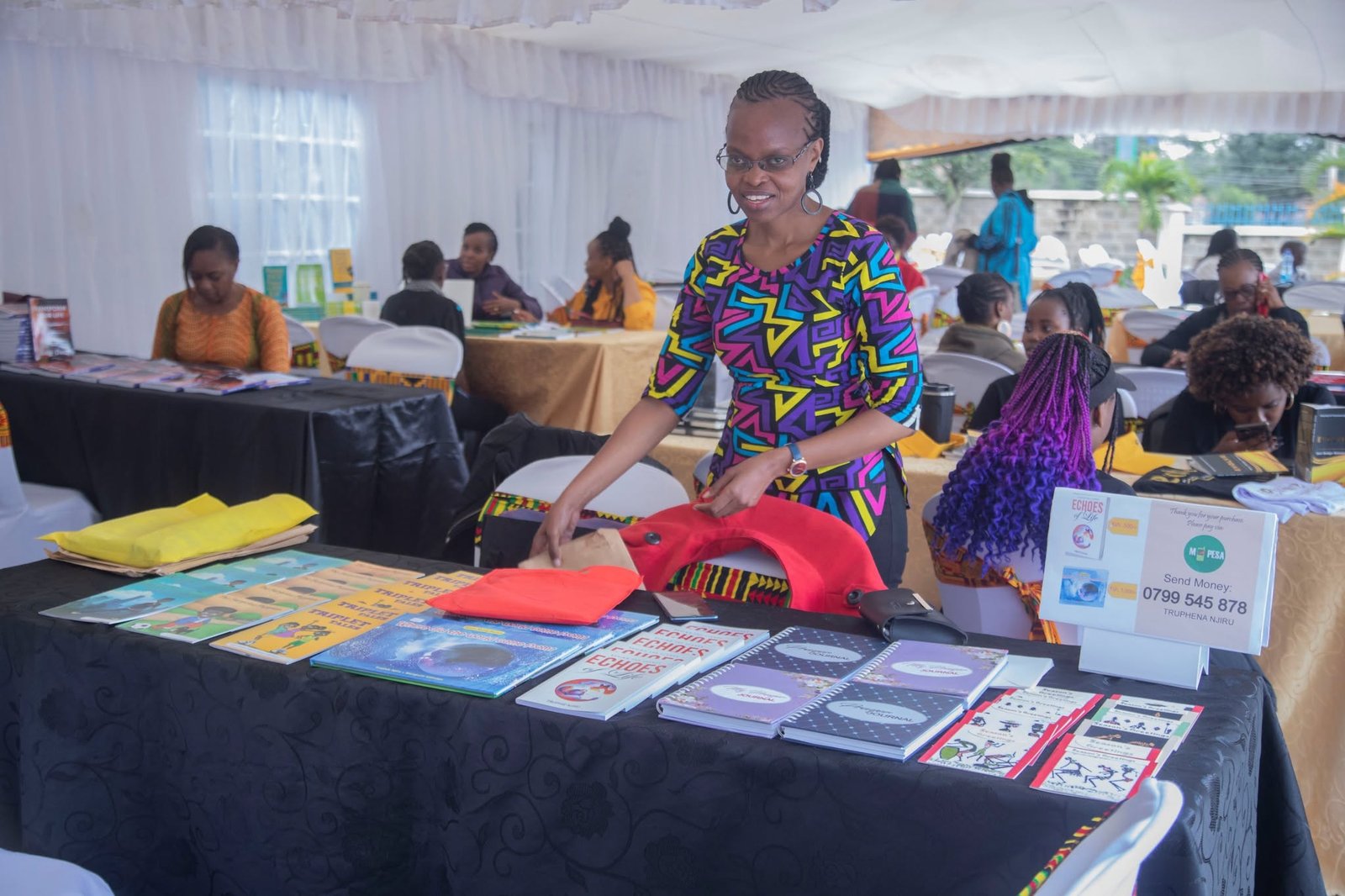
Before packing banners and books, confirm the display space you have registered for. The tent and tables are provided; bring your own books, banner, backdrop, and other author materials.

Shared Space
Shared Exhibition Tent
KES 6,500
Shared by up to five authors. Ideal for a compact display and exhibiting alongside peers. Agree on table space beforehand.
Private Space
Medium Tent (6 × 9 m)
KES 10,000
For authors needing additional room for expanded book displays, custom branding, and interactive reader conversations.
Premium Space
Large Tent (10 × 12 m)
KES 15,000
Maximum capacity for extensive book catalogs, complete brand backdrops, media setups, and large audience engagement.

Note: Pricing and options shown reflect the 6th ACABA 2026 in Nairobi as an example. Be sure to check specific options and guidelines for each future Bookfest.

Author Preparation Guide
— CLC AUTHORS ACADEMY —

9. Decide What Will Happen to Your Books Afterwards

Plan for unsold books before you arrive, especially if you hope to leave copies available in the host country rather than carry them home. Speak with organisers about local bookshops, distributors, or ministry partners.

If someone agrees to keep stock, record:

  • The titles and number of copies
  • Who owns the books
  • The agreed selling prices and any commission
  • How sales will be reported and paid
  • What will happen to copies that remain unsold

Plan for Book Swaps

Set aside a few copies you would be pleased to exchange with fellow authors. Take an interest in their books and the readers they hope to serve.

Proverbs 27:23 Know what has been entrusted to others and steward it carefully
— CLC AUTHORS ACADEMY —

10. Invite Family, Friends and Your Wider Network

Contribute to building a reading culture in Africa by inviting people to the Bookfest. Tell your network what they can expect, share the details early, and send a warm reminder nearer the date.

Networks to Reach Out To

  • Family and personal friends
  • Church community and ministry leaders
  • Colleagues and professional contacts
  • Online network and social media followers

The Power of Collective Invitation

Your invitation supports more than your own table. If 50 authors each invite 10 different people, they could collectively introduce 500 people to the books at the event. Someone who comes to support one author may discover several others. Encourage your guests to explore, speak with authors, and bring a friend.

John 1:46 Philip’s simple invitation, “Come and see,” offers a model for welcoming others to discover something valuable
— CLC AUTHORS ACADEMY —

11. Carry Your Sash and Follow the Year’s Ankara Theme

Always pack your ACABA sash when attending an ACABA gathering. Check the dress guidance for each event, and where there is an Ankara theme for the year, prepare an outfit that reflects it.


Celebrating Unity & Creativity

Shared attire brings authors together visibly, celebrates African creativity, and creates a sense of belonging across countries. Keep your sash somewhere easy to find, especially if you are travelling between regional gatherings.

Author Preparation Guide
Part Four of Four
— CLC AUTHORS ACADEMY —

Serve Well While You Are There

“Build relationships with humility and keep the larger purpose in sight.”

Author Preparation Series • Part 4 / 4
— CLC AUTHORS ACADEMY —

12. Participate Beyond Your Book Table

Attend sessions, listen to other authors, and make time for genuine conversations. Ask readers what they are looking for, learn how publishing, reading, and distribution work in the host country, and agree on practical next steps to follow up after returning home.

Remain Flexible

A session may run late, a display arrangement may change, or an important conversation may happen when you expected to be selling books. Prepare carefully, then be ready to adapt to wherever the ministry opportunities lead.

Philippians 2:4 Take an interest in the work and needs of others
— CLC AUTHORS ACADEMY —

13. Honour the Host Country and Its People

Cross-cultural ministry calls for humility and attentiveness. Respect your hosts’ customs unless following a particular practice would require you to act against your Christian convictions. When unsure, ask courteously.

Gracious Hospitality

Receive hospitality graciously. Food often opens the way to friendship. Avoid speaking badly about what your hosts serve. If you must decline something for a medical or genuine reason, explain gently and thank them for their care.

Thoughtful Demands

Do not place unnecessary demands on your hosts. They may be coordinating authors, speakers, venues, and many other needs. Communicate essential requests early, make your own arrangements where possible, and persevere patiently through ordinary inconveniences.

Before Speaking, Apply KTN

Residents may speak candidly about challenges in their own country; a visitor should be slower to criticise. Always filter your words carefully:
K
Kind

Will my words show respect?

T
True

Do I know the facts?

N
Necessary

Will saying this help?

If a concern genuinely needs attention, raise it privately with the appropriate person and in a constructive manner.

1 Peter 2:17 Show honour to people wherever you are received
— CLC AUTHORS ACADEMY —

14. Keep the Mission in View

We want books to reach readers. We also want authors to encourage one another, partnerships to grow, and Christian literature to serve the Church and society across Africa. Sales and visibility matter within that wider calling.

Remember the Mission

The advancement of the Kingdom of God. Pray, prepare thoroughly, travel with humility, and remain attentive to the people God places before you.

Matthew 6:33 Keep God’s Kingdom foremost as you pursue the practical opportunities of the Bookfest
Mission Reflection

Carry Peace to the Mission

You are not simply going on a holiday with a ministry activity attached. You are being sent.


When Jesus sent out the seventy-two in Luke 10, He did not send them merely to travel, observe, enjoy themselves or collect experiences. He sent them with purpose. They were going ahead of Him, into places where He Himself intended to move.

That changes how we approach mission.

You are not simply going on a holiday with a ministry activity attached. You are being sent. This is part of the Great Commission. Go where God has sent you, do what He has told you to do, and remain attentive to what the Holy Spirit is saying along the way.

“When you enter a house, first say, ‘Peace to this house.’”

Luke 10:5

That means we should arrive carrying peace, not confusion, pressure, offence or unnecessary disruption. Listen carefully. Discern what God is doing in that place. Be disciplined in your speech, conduct, relationships, spending, time and response to instructions.

Do not feel that you must force something to happen. The disciples were instructed to remain where they were received, minister faithfully and proclaim that the Kingdom of God had come near. Their responsibility was obedience. The results belonged to God.

As you go, carry peace with you. Leave peace behind you. Let people encounter the kindness, order, humility and presence of Christ through you.

And when God says move, move. When He says stay, stay. When He says speak, speak. When He says be quiet, be quiet.

This is not merely travel and fun. You have been sent.

“Go! I am sending you…”

Luke 10:3

And perhaps the most important reminder comes at the end of the assignment: do not become more excited about what God does through you than about belonging to Him. The mission matters, but the deepest joy remains that our names are written in heaven.

Mission Conduct

Represent Well and Honour the Assignment

When you travel for mission, you do not go only in your personal capacity. You carry the trust, reputation and goodwill of the organisations that have supported, endorsed or sent you.


Where letters have been issued on your behalf by organisations such as CLC Kenya, ACABA, MABB, AASH, MFSO and others, your conduct reflects on all of them. Represent them well through integrity, responsibility and respect.

Do good, remain in good contact and communicate responsibly throughout the journey. Let those who sent you and those receiving you know where you are, how the mission is progressing and whether there are any significant changes.

Honour the terms under which you travelled.

If you said you would leave on a particular date, leave as agreed. Do not overstay or violate visa and immigration regulations. Christian mission should never be used as a reason to disregard lawful requirements. Integrity is part of our witness.

Also respect the guidance of your hosts. They understand their environment, local culture, security concerns and practical realities better than a visitor may. Follow their instructions about movement, transport, accommodation, meeting places, schedules and areas that may be unsafe.

Their guidelines are not meant to restrict the mission. Often, they are there to protect you and help the assignment proceed wisely and safely.

You have been entrusted with more than an itinerary. You are carrying relationships, reputations and a Christian witness.

Go where God has sent you, do what He has instructed you to do, honour those who have sent and received you, and return in good order when the assignment is complete.

“Let all things be done decently and in order.”

1 Corinthians 14:40

— CLC AUTHORS ACADEMY —

Author’s Pre-Departure Checklist

“And whatever you do, whether in word or deed, do it all in the name of the Lord Jesus, giving thanks to God the Father through him.”
— Colossians 3:17 —
Networking Opportunities for African Authors