Your Book Cover Is Not Decoration — It’s a Decision-Maker
We all know the saying, “Don’t judge a book by its cover.” Readers, however, did not sign that agreement.
Before a single paragraph is read, your cover has already answered several silent questions: What is this book? Who is it for? Is it worth my time? Does this feel trustworthy? In a crowded market—online and on physical shelves—your cover does the first round of selling long before you speak to a reader.
In fact, research and industry insights consistently show that cover design influences reader interest and purchase intent, especially when readers are browsing quickly. (BookNet Canada)
What a Great Book Cover Does for an Author
1) It Communicates Your Genre at a Glance
Readers shop by category even when they don’t realise they’re doing it. A cover must quickly signal whether the book is a marriage resource, devotional, business title, children’s story, memoir, or Christian fiction. If the cover sends mixed signals, the reader hesitates—and hesitation is the quiet cousin of “No”.
Publishers and designers often describe a cover as a “window” into the story, because it sets expectations instantly. (Penguin)
2) It Builds Trust and Authority
A clear, professional cover suggests that the author has taken the work seriously. It whispers, “This is worth your attention.” A weak cover can unintentionally imply rushed thinking, unclear messaging, or low production quality—even if the manuscript is excellent.
For nonfiction especially, trust is currency. Your cover is part of your credibility.
3) It Functions as Your Primary Marketing Asset
Your cover is not only for the bookshop shelf. It becomes:
Your thumbnail on online stores
Your banner on social media
Your poster for launches
Your image for press features and interviews
Your “visual logo” when people recognise your brand
Marketing advice for self-published authors often emphasises that strong visual consistency (using cover elements across promotions) improves recognition and recall. (The Self-Publishing Advice Center)
4) It Positions Your Book in the Reader’s Mind
A cover is a promise. It tells the reader what emotional experience to expect:
Comfort or conviction
Wisdom or warning
Healing or humour
Practical help or prophetic challenge
The cover should match the tone of the content. If the book is warm and pastoral but the cover looks harsh and corporate, the reader feels the disconnect—even if they cannot explain it.
5) It Helps the Right Reader Say “Yes” Faster
Sometimes authors aim for a cover that appeals to “everyone”. That usually results in a cover that feels like “anything”.
A good cover is not trying to attract the entire world; it is trying to attract your reader. When the right reader sees it, it should feel like the book is speaking directly to them.
Why Covers Matter Even More Today
Online Shopping Has Made Thumbnail-Readability a Non-Negotiable
Many readers first meet your book as a tiny rectangle on a screen. If the title is too small, the colours muddy, or the design too busy, your book gets ignored—not because it’s not good, but because it is not legible at speed.
Readers Browse Quickly, Then Decide
Studies examining how readers choose books repeatedly show that cover attractiveness and how well the cover represents the content meaningfully shape interest, especially for unfamiliar authors. (VU Komunikacijos fakultetas)
In plain terms: readers may not know your story yet, but they feel your cover first.
Common Book Cover Mistakes Authors Can Avoid
1) Designing for Personal Taste Instead of the Reader
You are allowed to love purple. But if your genre’s readers are expecting calm neutrals, bold contrasts, or specific visual cues, personal preference must bow to audience clarity.
(An author’s cover is not the place for self-expression alone. That is what the book is for.)
2) Making the Title Difficult to Read
A beautiful font that cannot be read quickly is not beautiful—it is decorative confusion.
A quick test:
Can you read the title at arm’s length on print?
Can you read it on a phone screen?
If not, the cover is working against you.
3) Overloading the Cover With Too Many Ideas
When everything is emphasised, nothing is emphasised. One strong concept beats five competing concepts.
4) Using Random Imagery That Doesn’t Match Genre
A business book with a romance-style cover. A devotional with a horror-thriller mood. A children’s book that looks like a legal textbook. These are not “creative”. They are “misleading”.
5) Neglecting Technical Print Requirements
Even a beautiful design can fail at print stage if the file setup is wrong. For print books, basic requirements like trim size, bleed, and margins matter to avoid awkward cuts and misalignment. (Kindle Direct Publishing)
A Practical “Author’s Checklist” for a Strong Cover
Before You Brief a Designer (or Review a Draft), Clarify:
Who is the primary reader?
Age group, life stage, pain point, spiritual maturity, and motivation.What is the promise of this book in one sentence?
If you cannot summarise the promise, the cover will struggle to summarise it too.What is the genre and category?
Covers are visual signposts. Choose the right road.What emotion should the cover communicate?
Peace? Courage? Hope? Conviction? Joy? Healing?Where will this book be sold most?
Mostly online → prioritise thumbnail readability
Mostly physical events/bookshops → prioritise shelf impact
When You Review the Cover Draft, Ask:
Does the title dominate appropriately?
Does the cover look “at home” beside other books in the same genre?
Would someone who doesn’t know me trust this book?
Does the cover match the tone of the manuscript?
Is it still clear in black-and-white or low brightness on a phone?
Conclusion: Excellence Is Part of Witness
Sometimes we treat the cover as a “small thing” compared to the message inside. Yet Scripture consistently teaches stewardship—handling what God entrusts to us with care. A book cover is not vanity; it is responsibility. If the message matters, then the presentation should not preach carelessness.
Or, to borrow the wisdom of Scripture in principle: do your work “as unto the Lord” (see Colossians 3:23). The cover is part of that work.
Ready to Strengthen Your Book Cover?
If you are publishing, rebranding, or preparing a new edition, treat your cover as a ministry tool and a marketing tool—because it is both.
A strong cover helps the right reader find the right book at the right time. And sometimes, that “right time” is a reader’s hardest season—when they don’t have the strength to search long, but they will respond to a clear invitation.
#BookCovers #ChristianPublishing #AfricanAuthors #SelfPublishing #BookMarketing #DesignExcellence #ReadersFirst
Award Winning Covers
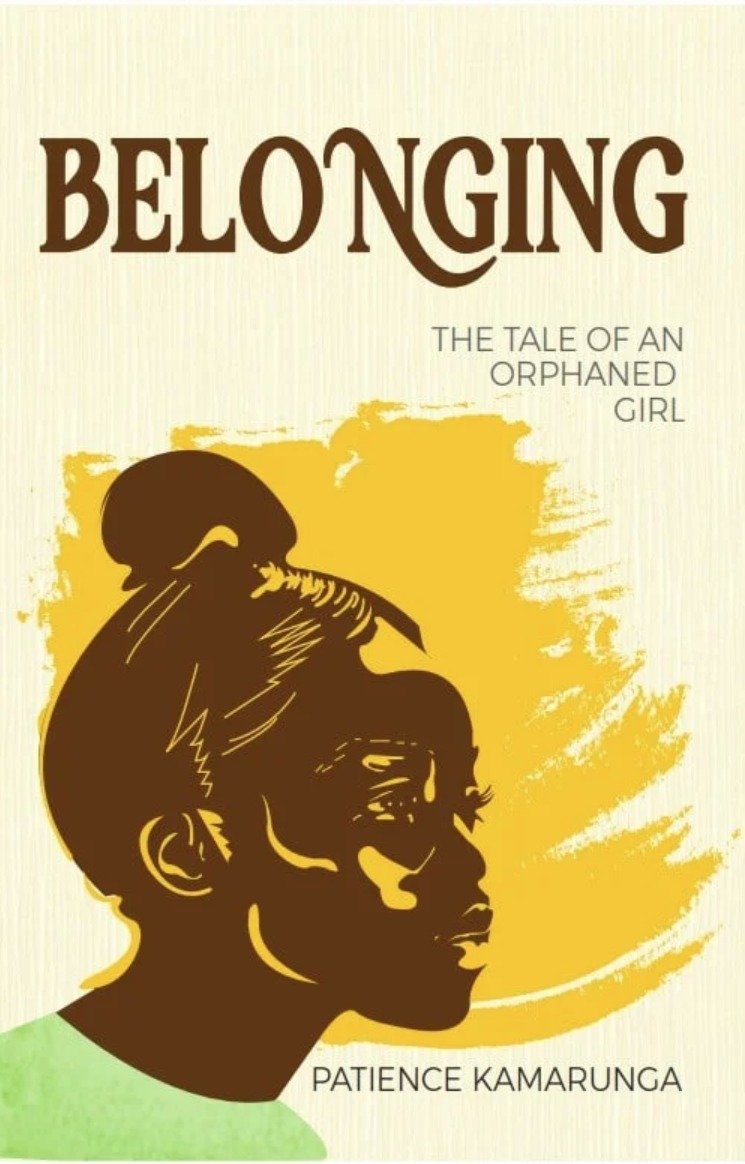
Belonging – The Tale of an Orphaned Girl (UG)
Image of the girl’s eyes on the cover makes me want to read and know about the orphaned girl’s story immediately. It has an emotional appeal that resonates with the title.
The first impression of the book cover of “Belonging” displays a distinct visual style that stands out with a clear art direction. Attention to detail has been applied, therefore easily drawing the audience to read the book with ease. The cover design clearly tells the audience what the book is about and keeps true to the spirit of the book. The imagery is design friendly and balances well with the typography.
Meet the African Authors with Excellent Book Cover Designs
7f: Book Covers: Why They Matter for Every Author
Your book cover is not decoration—it is your book’s first decision-maker. Discover why covers matter for trust, genre clarity, and sales, plus common mistakes authors can avoid and a practical checklist for creating a cover readers choose, not ignore.
Learn More Here.
#RaisingAfricanVoices
Getting Started: Publishing Books
Preparing to Write/Publish
No posts found!
Elementary Skills: Publishing Books
How to Write
No posts found!
Technical Skills: Publishing Books
Refining Your Manuscript
No posts found!
Advanced Skills: Publishing Books
Going the Extra Mile
No posts found!
Contractual Skills: Publishing Books
Be Informed (Not Legal Advice)
No posts found!