Latest posts
-
From Book to Bible Plan
Learn how to transform your Christian book into an engaging YouVersion Bible Plan. This practical guide walks authors through selecting a focused theme, structuring daily devotionals, choosing Scripture, meeting word-count requirements and preparing compelling square and landscape images for publication.
-
2-1b. How to Create an Outline for Your Book
Learn how to create a clear and practical book outline that organises your ideas, strengthens your chapter flow and guides the writing process while remaining open to the leading of the Holy Spirit.
-
2-1c: How to Do Proper Research Before or As You Write
Learn how to conduct proper research before or as you write. This practical Christian writing guide covers foundational and advanced research, credible sources, Scripture study, plagiarism, interviews, permissions, fact-checking and reference management.
-
1-1c: How Can We Become Effective Christian Authors?
Learn how to become an effective Christian author by writing under the guidance of the Holy Spirit, remaining rooted in Scripture, pursuing excellence, serving the right readers and trusting God with the impact of your message.
-
3-4a: Spoken vs Written Language: Helping Authors Refine Their Voice for Book Form
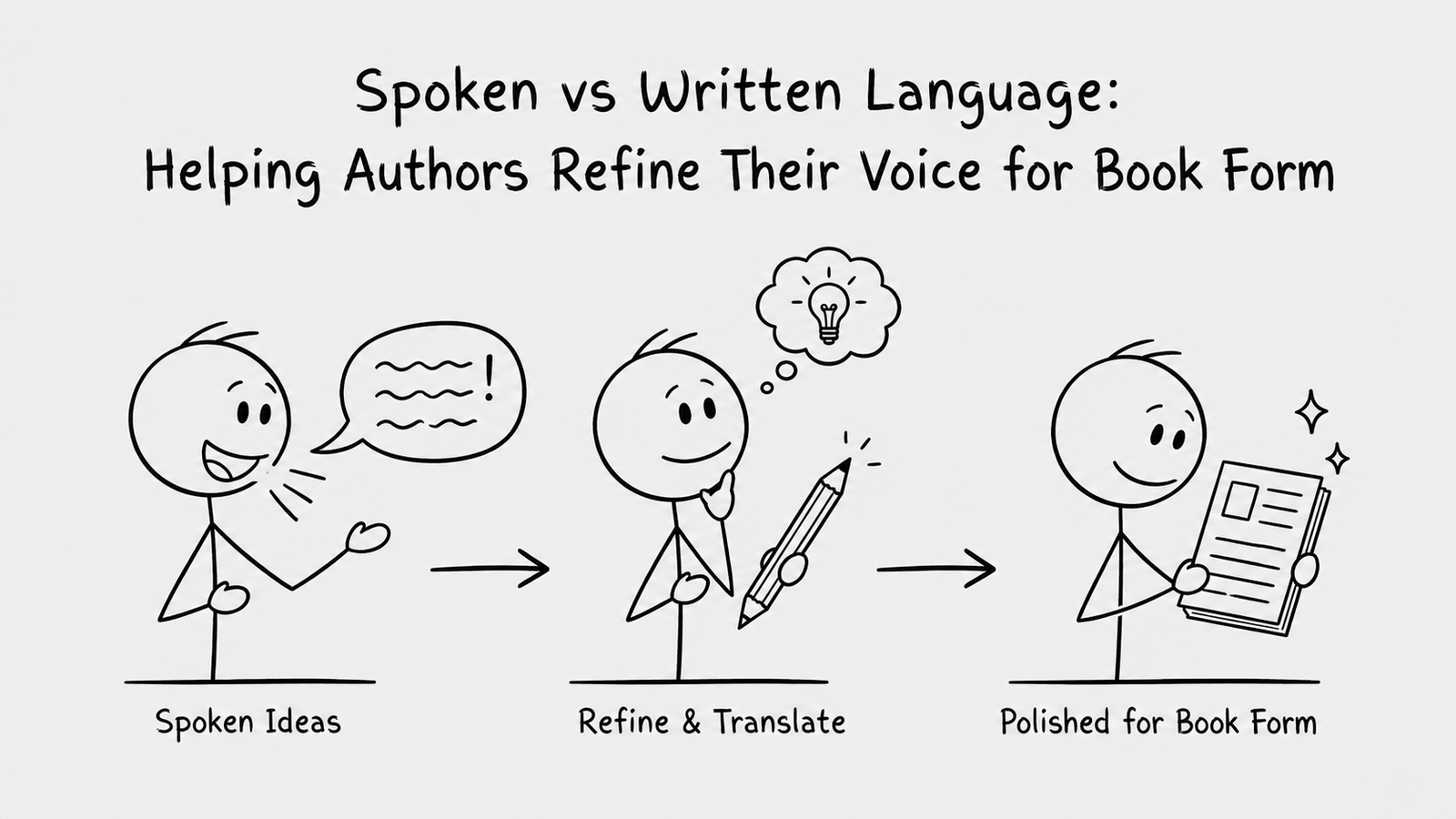
Many Christian manuscripts begin as sermons, testimonies, teachings, or spoken reflections. This article helps authors refine informal spoken language into clear, timeless book prose while preserving warmth, humour, personality, and authenticity.
-
3-5b: How to Handle Theology with Balance in Christian Writing
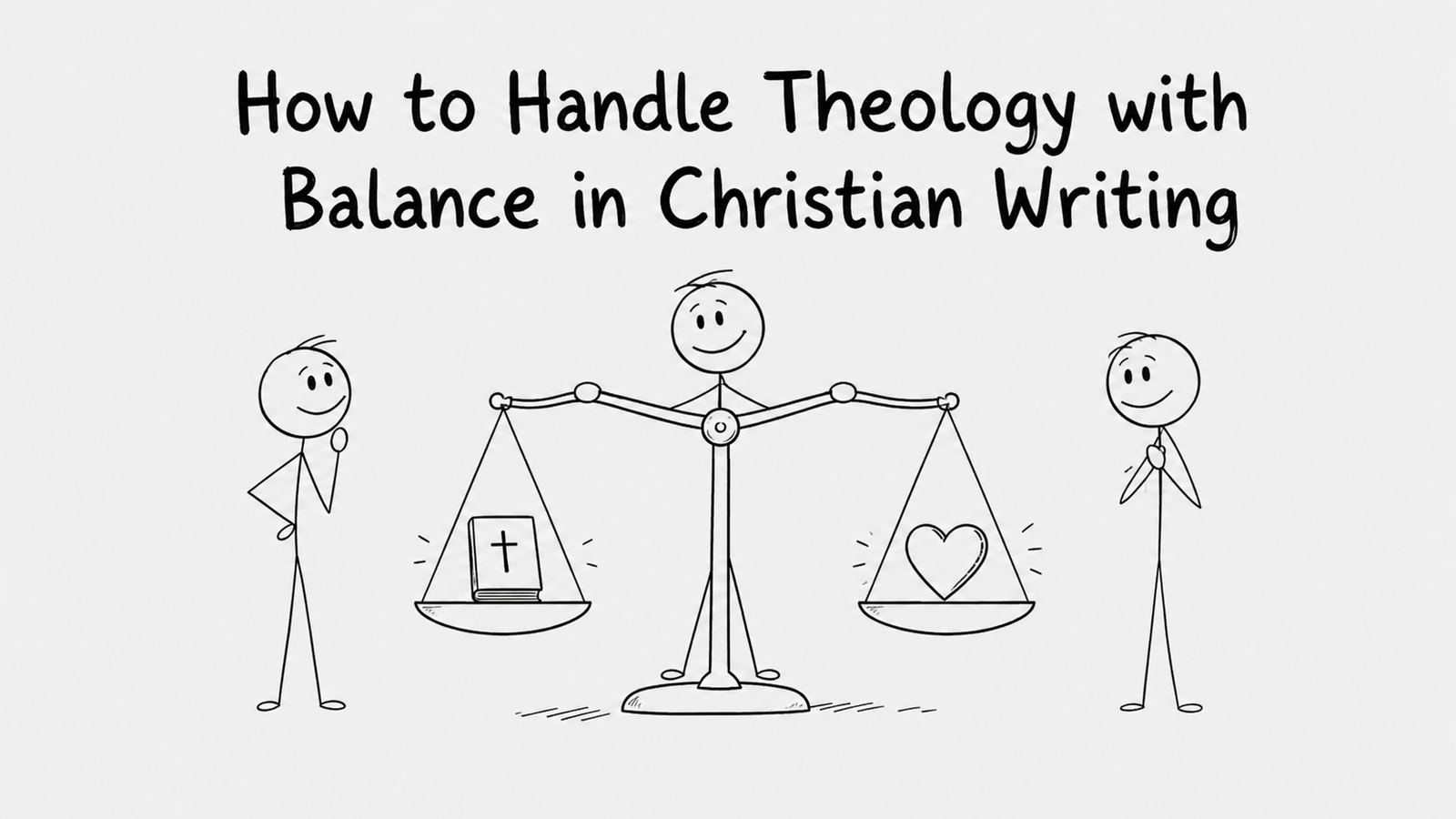
Christian authors must handle theology with both biblical truth and pastoral care. This article explains how to balance personal testimony, Scripture, exegesis, and reader application so Christian writing remains sound, compassionate, and helpful.
-
3-4b: How to Paragraph Your Manuscript Well
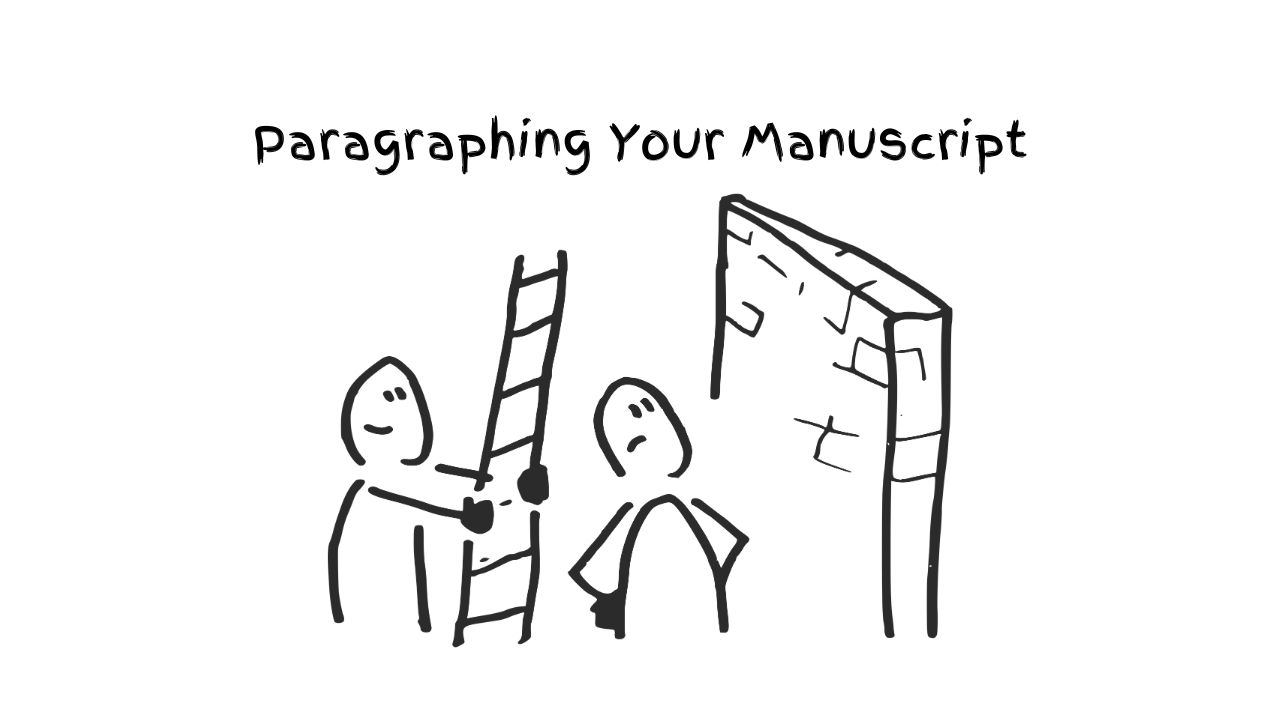
Learn how to paragraph your manuscript in a simple, clear way. This short guide teaches authors to keep one paragraph to one idea, avoid crowding thoughts, and use clean paragraph breaks, with easy examples for Christian writers.
-
5-2c: How to Ethically and Legally Use Free or Unpaid Images in Your Book
Learn how to use free images for your book ethically and legally by checking licences, reading the fine print on sites like Unsplash and Freepik, and knowing when paid or AI-generated images are the wiser choice.
-
3-4c: How to Use Transition Paragraphs in Your Writing
Learn how to use transition paragraphs effectively in your writing. This concise guide for authors explains how to introduce a story smoothly, move from story to application, and end one chapter while preparing readers for the next, with simple examples for each.