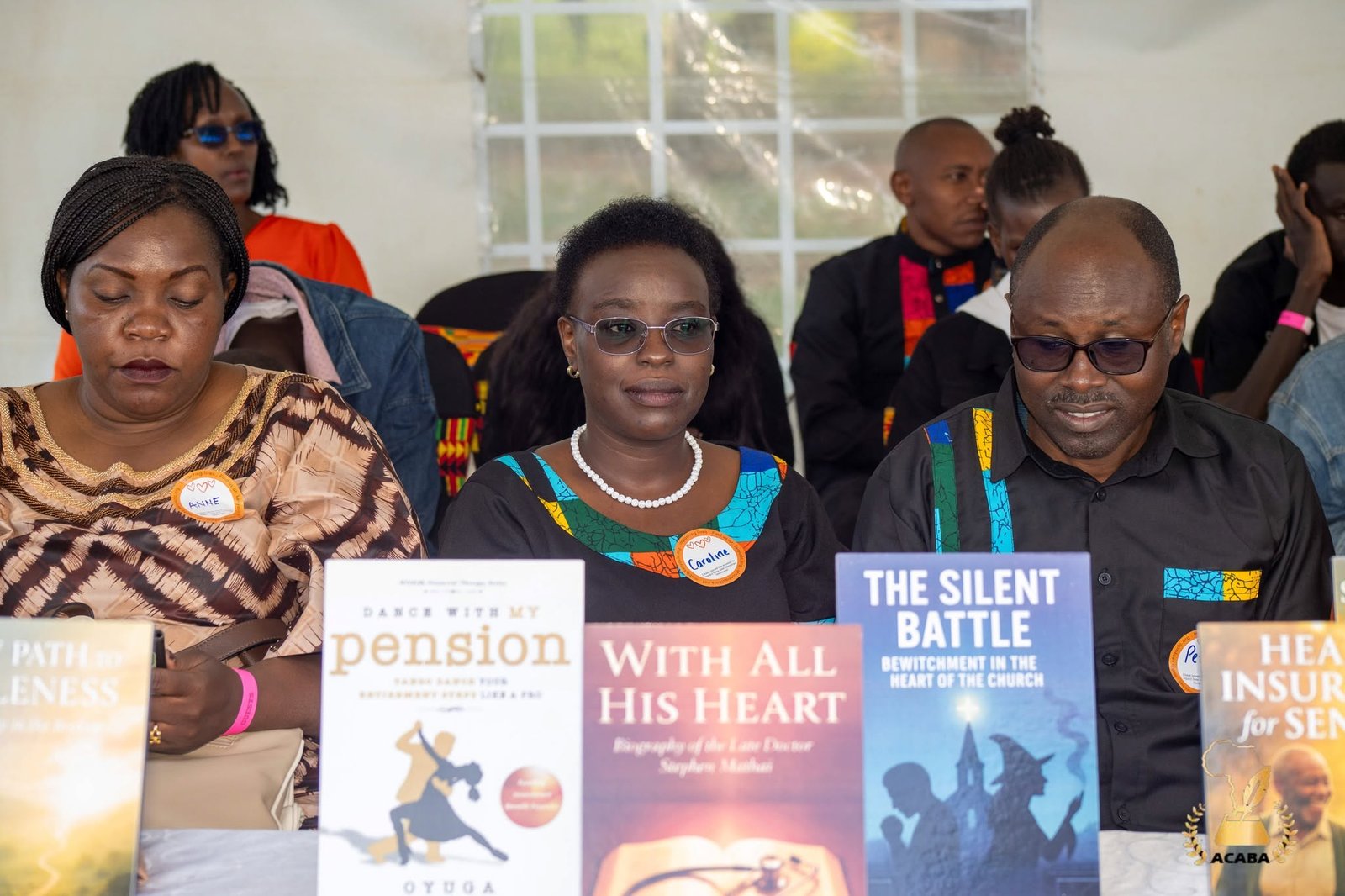
Publishing in Africa
A practical publishing resource hub for African Christian authors who desire to prepare, write, refine, publish, market, and distribute their books with excellence, wisdom, and purpose.
About This Publishing Resource
Publishing a book is more than printing pages and placing a cover on a manuscript. It is a stewardship journey that begins with preparation, continues through writing and editing, and matures into distribution, visibility, reader engagement, and long-term impact.
This page brings together publishing articles designed to equip African authors at every stage: from the first decision to publish, to manuscript structure, book elements, legal awareness, publishing agreements, design, layout, pricing, book marketing, and life beyond the book launch.
#1 Getting Started: Writing & Publishing Books
Prepare yourself, understand the publishing journey, clarify your purpose as a Christian author, and count the cost before moving your manuscript into publishing.
Prepare for the Publishing Journey
Begin with the foundations. These resources help you understand what publishing involves, evaluate your own readiness, consider the responsibilities of Christian authorship, and make informed decisions before investing in the production of your book.
Prepare Yourself to Get Published
A foundational guide to helping authors assess their personal preparation, manuscript readiness, publishing expectations, and the decisions that should be considered before beginning the formal publishing process.
Start TrainingLet’s Talk About Publishing
An introduction to the publishing journey, helping authors understand how books move from manuscripts to published works and the different opportunities available to modern authors.
Start TrainingHow Can We Become Effective Christian Authors?
A practical Christian writing resource exploring purpose, stewardship, effectiveness, responsibility, and the impact authors can make as they communicate biblical truth and life-giving messages through books.
Start TrainingFactors to Consider Before Self-Publishing
A practical guide to counting the cost before choosing self-publishing by considering finances, responsibilities, expectations, production requirements, and the commitment needed to bring a book successfully to market.
Start TrainingRequirements for Self-Publishing
A practical overview of the key materials, information, decisions, and publishing requirements authors should prepare before moving their manuscript into the self-publishing process.
Start TrainingPublishing Steps: Review
A guide to reviewing a manuscript before production by considering its quality, completeness, scope, intended readership, presentation, and overall readiness to proceed into publishing.
Start Training#2 Elementary Skills: Writing & Publishing Books
Build the foundational skills needed to plan, write, organise, complete, and present a strong manuscript before progressing into more technical and advanced areas of authorship.
Before You Begin Writing
Start with clarity. Identify the reader you are writing for, organise the message you want to communicate, and gather the information needed to write an accurate, credible, and focused book.
How to Profile Your Target Reader
A guide to identifying and understanding the reader you are writing for so your book has greater focus, relevance, clarity, and connection.
Start TrainingHow to Create an Outline for Your Book
A practical guide to organising your book before writing by creating a clear structure for the message, chapters, ideas, and overall flow.
Start TrainingHow to Do Proper Research Before or As You Write
Learn how to research your subject before and during writing so that your manuscript is accurate, informed, credible, relevant, and well supported.
Start TrainingDevelop Your Opening & Preliminary Content
Begin building the manuscript and the supporting pages that introduce both you and your book. Prepare meaningful preliminary content and learn how to lead the reader confidently into the main message.
How to Write an Author’s Bio
A guide to writing a credible, warm, and professional author biography that introduces who you are and establishes appropriate connection with your readers.
Start TrainingHow to Write a Book Dedication
A simple guide to writing a brief and meaningful dedication that honours the person, people, or cause to whom you wish to dedicate your book.
Start TrainingHow to Write an Acknowledgment
A guide to appropriately thanking the people who supported, inspired, prayed for, encouraged, or contributed to your writing and publishing journey.
Start TrainingHow to Start the First Sentence or Paragraph of Your Book
Learn how to move beyond the fear of the blank page and begin your manuscript with confidence, clarity, purpose, and a strong opening that invites the reader forward.
Start TrainingHow to Write a Book Introduction
A practical guide to introducing your book with clarity, interest, direction, and purpose so readers understand the journey they are about to take and why it matters.
Start TrainingComplete, Position & Present Your Book
Bring the manuscript to a strong conclusion, organise the finished content, and prepare the elements that help readers understand, evaluate, and engage with the completed book.
How to Write a Book’s Conclusion
Learn how to bring your book to a clear and satisfying close by reinforcing its central message, giving the reader a sense of completion, and leaving an appropriate final impression.
Start TrainingHow to Write a Book’s Blurb
A guide to writing a concise and persuasive back-cover or online description that communicates the value of your book and gives potential readers a reason to explore it.
Start TrainingHow to Write a Table of Contents
Learn how to organise and present your chapters and major sections clearly so readers can understand the structure of the book and navigate it with ease.
Start TrainingHow to Differentiate Between a Foreword and Endorsement
Understand the different purposes, placement, length, and value of a foreword and an endorsement so you can decide what your book needs and whom to approach.
Start TrainingHow to Write a Book’s Foreword
A guide to understanding and preparing a strong foreword that introduces the book through another credible voice and helps establish confidence in its author, message, or subject.
Start Training#3 Technical Skills: Writing & Publishing Books
Develop stronger manuscripts through genre craft, storytelling, structure, voice, clarity, self-editing, biblical accuracy, ethical writing, and responsible use of sources.
Genre & Book-Type Craft
Understand the particular writing demands of different kinds of books and learn how to shape your content according to the genre, purpose, audience, and reading experience you are creating.
How to Write a Devotional
A guide to writing Scripture-based reflections that combine biblical truth, personal reflection, practical application, and spiritual encouragement for deeper faith.
Start TrainingHow to Write a Captivating Novel
A practical guide to strengthening plot, character, setting, conflict, pacing, theme, and emotional connection so the story holds the reader’s attention.
Start TrainingHow to Elevate a Non-Fiction Christian Book to Make It Personal and Engaging
Learn how testimony, real-life examples, vulnerability, reflective questions, and practical application can transform teaching into engaging Christian non-fiction.
Start TrainingWhy Consistency in Every Session Matters: Writing Workbooks Well
A guide to creating effective workbooks through consistent session structures, repeated formats, clear instructions, useful exercises, and predictable reader expectations.
Start TrainingCreative Writing & Story Development
Strengthen the technical elements of storytelling by learning how perspective, characters, dialogue, scenes, description, and language choices work together to create compelling narratives.
How to Choose and Use Point of View in Creative Writing
Learn how first, second, and third person perspectives work, how to choose the most suitable viewpoint for your story, and how to avoid confusing shifts in narration.
Start TrainingHow to Develop Primary and Secondary Characters in a Story
Learn how protagonists, antagonists, and supporting characters contribute to the story through clear goals, motivation, conflict, distinctive voices, and meaningful development.
Start TrainingHow to Use Dialogue in Story Writing
A guide to writing natural conversations that reveal character, communicate tension, provide necessary information, and move the story forward.
Start TrainingHow to Use ‘Show, Don’t Tell’ in Story Writing
Learn how to help readers experience a story through scenes, actions, sensory details, dialogue, and emotion rather than relying entirely on explanation.
Start TrainingHow to Overcome the Challenge of Mixed Languages in Writing a Manuscript
A guide to using multiple languages while maintaining cultural authenticity and reader understanding through context, translation, footnotes, and glossaries where appropriate.
Start TrainingBook Structure, Chapters & Reading Rhythm
Learn how to organise the whole manuscript, build individual chapters, control book length, and create a balanced reading experience that carries readers comfortably from beginning to end.
Why Is Organising Your Non-Fiction Into Chapters Important?
Learn why clearly organised chapters help readers follow your message, understand the progression of ideas, locate important topics, and engage with the book more effectively.
Start TrainingWhy a Strong Chapter Structure Matters
A practical guide to developing chapters that move purposefully through elements such as introduction, teaching, story, application, reflection, and prayer where appropriate.
Start TrainingWhy Creative Non-Fiction and Non-Academic Books Should Not Be Too Long
Learn how to control manuscript length, reduce unnecessary repetition, maintain reader interest, and communicate your message with greater discipline and focus.
Start TrainingWhy Creating a Comfortable Reading Rhythm for Your Book Is Important
A guide to balancing chapter lengths, improving chapter pacing, identifying sections that feel too short or too long, and creating a comfortable rhythm throughout the manuscript.
Start TrainingManuscript Voice, Paragraphing & Flow
Refine the way your manuscript sounds and moves on the page by strengthening written voice, paragraph structure, transitions, and purposeful emphasis.
Spoken vs Written Language: Helping Authors Refine Their Voice for Book Form
Learn how to transform sermons, testimonies, teachings, and spoken reflections into clear, timeless book prose while preserving the author’s warmth, personality, and authentic voice.
Start TrainingHow to Paragraph Your Manuscript Well
A practical guide to keeping paragraphs focused around clear ideas, avoiding crowded blocks of thought, and using paragraph breaks to improve clarity and readability.
Start TrainingHow to Use Transition Paragraphs in Your Writing
Learn how to move smoothly between stories, teaching, reflection, application, chapter sections, and closing thoughts without making the manuscript feel abrupt or disconnected.
Start TrainingHow to Differentiate Repetition from Emphasis
A guide to recognising when repeated ideas strengthen your message and when unnecessary repetition begins to tire the reader or weaken the impact of your writing.
Start TrainingScripture, Theology & Christian Writing Accuracy
Handle Scripture and Christian teaching responsibly by learning how to present biblical material clearly, distinguish different kinds of claims, and maintain theological balance throughout your manuscript.
How to Place Scriptures in a Creative Book
A practical guide to presenting Scripture clearly and consistently, including Bible versions, inline quotations, highlighted verses, references, paraphrases, and manuscript formatting.
Start TrainingHow to Handle Theology with Balance in Christian Writing
Learn how to balance biblical truth, pastoral care, personal testimony, Scripture, exegesis, and reader application without overstating what the Bible itself teaches.
Start TrainingBalancing Biblical Facts, Historical Facts and Personal Interpretation in Christian Writing
A guide to distinguishing biblical truth, historical information, and personal interpretation so Christian writing remains clear, responsible, credible, and well grounded.
Start TrainingSources, Real People & Ethical Representation
Learn how to incorporate external information and other people’s experiences with accuracy, attribution, fairness, dignity, cultural awareness, and Christian integrity.
How to Use External Source Excerpts with Footnotes and Endnotes
A guide to incorporating external sources responsibly in memoir, Christian non-fiction, reflective books, and research-based writing while giving readers clear source information.
Start TrainingHow to Ethically Use Other People’s Public Stories in a Non-Fiction Christian Book
Learn how to use publicly available stories with appropriate attribution, accuracy, dignity, discernment, and Christian integrity rather than treating another person’s experience as merely useful material.
Start TrainingHow Authors Should Mention Other People in Painful Stories
A guide to telling difficult personal experiences honestly while writing about real people with wisdom, fairness, grace, objectivity, restraint, and Christian maturity.
Start TrainingHow to Ensure Diversity and Inclusion in Christian Writing
Learn how to reflect the richness of God’s Kingdom through thoughtful cultural representation, diverse voices, appropriate characterisation, and awareness of readers from different backgrounds.
Start TrainingSelf-Editing & Manuscript Readiness
Before handing your manuscript to an editor or publisher, learn how to review your own work systematically, identify avoidable weaknesses, improve readability, and submit a cleaner and more mature manuscript.
Why Self-Edit Your Book Before Submitting It for Publishing?
A guide to reviewing your manuscript before professional editing by checking structure, accuracy, clarity, consistency, repetition, language, formatting, references, and overall readiness.
Start TrainingTrain Your Ears to Edit: Listen to Your Manuscript Using MS Word Read Aloud
A practical guide to listening to your own manuscript so you can identify awkward sentences, missing words, unnatural dialogue, repetition, poor rhythm, and other issues that the eye may overlook.
Start Training#4 Advanced Skills: Writing & Publishing Books
Go beyond foundational and technical writing skills to develop stronger editorial judgement, sophisticated story architecture, professional book positioning, and excellence in publishing presentation.
Advanced Story Architecture & Narrative Development
Develop greater control over whole-book storytelling by learning how to connect different parts of a narrative, prepare stories for continuation, and transform complex true experiences into compelling and responsible fiction.
How to Use Cyclic Structure: Connecting Different Parts of Your Story
Learn how to create deliberate connections between the beginning, middle, and ending of a story through recurring scenes, images, ideas, settings, characters, and narrative echoes.
Start TrainingHow to End a Book When Preparing for a Sequel
A guide to resolving the central story while preserving selected open threads, emotional development, foreshadowing, and future possibilities that naturally prepare readers for the next book.
Start TrainingHow to Turn a True Story into Autobiographical Fiction
A practical guide to transforming painful personal history into fiction while preserving important truths, protecting real people, reshaping chronology, and creating a stronger narrative.
Start TrainingAdvanced Editorial Review & Manuscript Evaluation
Move beyond basic self-editing by learning how manuscripts are assessed at a deeper editorial level, including theological integrity, structure, clarity, reader impact, and the order in which different forms of editing should take place.
How to Peer Review Fiction and Non-Fiction Christian Literature Manuscripts
A guide to evaluating another author’s manuscript constructively while considering purpose, audience, story, structure, clarity, theology, ethical concerns, writing quality, and reader impact.
Start TrainingWhy Theological Editing Must Come Before Comprehensive Editing
Understand why Christian manuscripts should first establish biblical and theological accuracy before deeper language, structure, clarity, style, and comprehensive editorial work are undertaken.
Start TrainingBook Positioning & Market Presentation
Learn how to position a completed book so potential readers can quickly understand its subject, audience, promise, value, and relevance while improving its discoverability in the marketplace.
Why Should a Non-Fiction Book Have a Subtitle?
A guide to using a strong subtitle to clarify your book’s central promise, intended audience, subject, reader benefit, differentiation, discoverability, and online search relevance.
Start TrainingProfessional Book Design, Branding & Presentation
Understand how professional visual presentation strengthens reader confidence, communicates genre and quality, supports the author’s brand, and helps the finished book compete effectively in both print and digital environments.
Book Covers: Why They Matter for Every Author
Learn why a professionally designed cover affects first impressions, reader trust, genre clarity, positioning, purchasing decisions, and the overall marketability of your book.
Start TrainingWhy Professional Layout Is Non-Negotiable for African Christian Authors
A guide to understanding how professional typography, spacing, margins, hierarchy, page structure, and print preparation protect your message, credibility, reader experience, and publishing excellence.
Start TrainingWhy Is the Art of the Author Photo Important?
Learn how a professional author photograph supports credibility, branding, book marketing, media use, and consistent presentation across print, websites, events, and digital platforms.
Start Training#5 Contractual Skills: Writing & Publishing Books
Understand the rights, permissions, ownership, identification, agreements, and stakeholder responsibilities that help protect authors, manuscripts, contributors, publishers, and the wider publishing process.
Copyright, Ownership & Book Identification
Understand how authorship and ownership are declared, how publishing information is presented, and how a book receives the formal identification needed for publishing, cataloguing, distribution, and recognition.
What to Include in the Copyright Page and Complete the Copyrighting Process
A guide to preparing the copyright page, stating ownership and publication information, understanding rights and permissions, and completing the relevant copyright process for your book.
Start TrainingHow to Get ISBN in Kenya and Other African Countries
A practical guide to understanding ISBNs, book identification, publishing registration, cataloguing, and the process authors and publishers may follow in Kenya and other African countries.
Start TrainingConfidentiality, Consent & Permissions
Learn how to protect unpublished work, obtain appropriate permission from contributors, and responsibly use material created or owned by other people.
Why Every Author Needs a Non-Disclosure Agreement (NDA)
A guide to protecting manuscripts, creative ideas, unpublished work, confidential information, and intellectual property when sharing material during the writing and publishing journey.
Start TrainingHow to Write a Contributor Consent Form for a Memoir Book
A guide to documenting consent, permissions, recognition, responsibilities, and appropriate use when other people contribute personal stories, testimonies, interviews, or information to a memoir.
Start TrainingHow to Ethically and Legally Use Free or Unpaid Images in Your Book
Learn how to check image licences, understand permitted use, provide attribution where required, and make informed choices when using free, paid, public-domain, or AI-generated images.
Start TrainingPublishing Agreements, Rights & Adaptations
Understand how publishing rights may be granted, shared, retained, or extended when an existing book is published traditionally or developed into new formats, editions, languages, or adaptations.
Terms and Conditions for Traditional Publishing: Adapting Existing Books into Other Versions
A guide to considering rights, royalties, responsibilities, permissions, translations, audiobooks, special editions, derivative works, and other contractual matters when an existing book is adapted into another version.
Start TrainingMultiple Stakeholders, Shared Ownership & Publishing Responsibilities
Learn how to establish clarity when several individuals, ministries, organisations, sponsors, contributors, or other stakeholders are involved in creating, funding, owning, publishing, or benefiting from the same book.
How to Publish a Book with Multiple Stakeholders
A guide to establishing clear agreements around rights, ownership, expenses, recognition, responsibilities, communication, decision-making, and collaboration when several parties are involved in a publishing project.
Start TrainingPublishing Is Stewardship
Every manuscript deserves preparation. Every message deserves clarity. Every person’s contribution deserves appropriate recognition. Every agreement deserves careful understanding. Publishing with excellence includes stewarding not only the message, but also the rights, relationships, responsibilities, and resources entrusted to the author.
Do You Need a Consultation Call?
We are happy to guide you through your next step. Reach out to us directly on WhatsApp.
WhatsApp: +254 707 463 007Jackline Ingasian (Class Facilitator)

Our Story