
Examples of Effective Blurbs
The following examples demonstrate how different genres require different approaches to writing a compelling blurb.
Monkeys, Life And Christianity
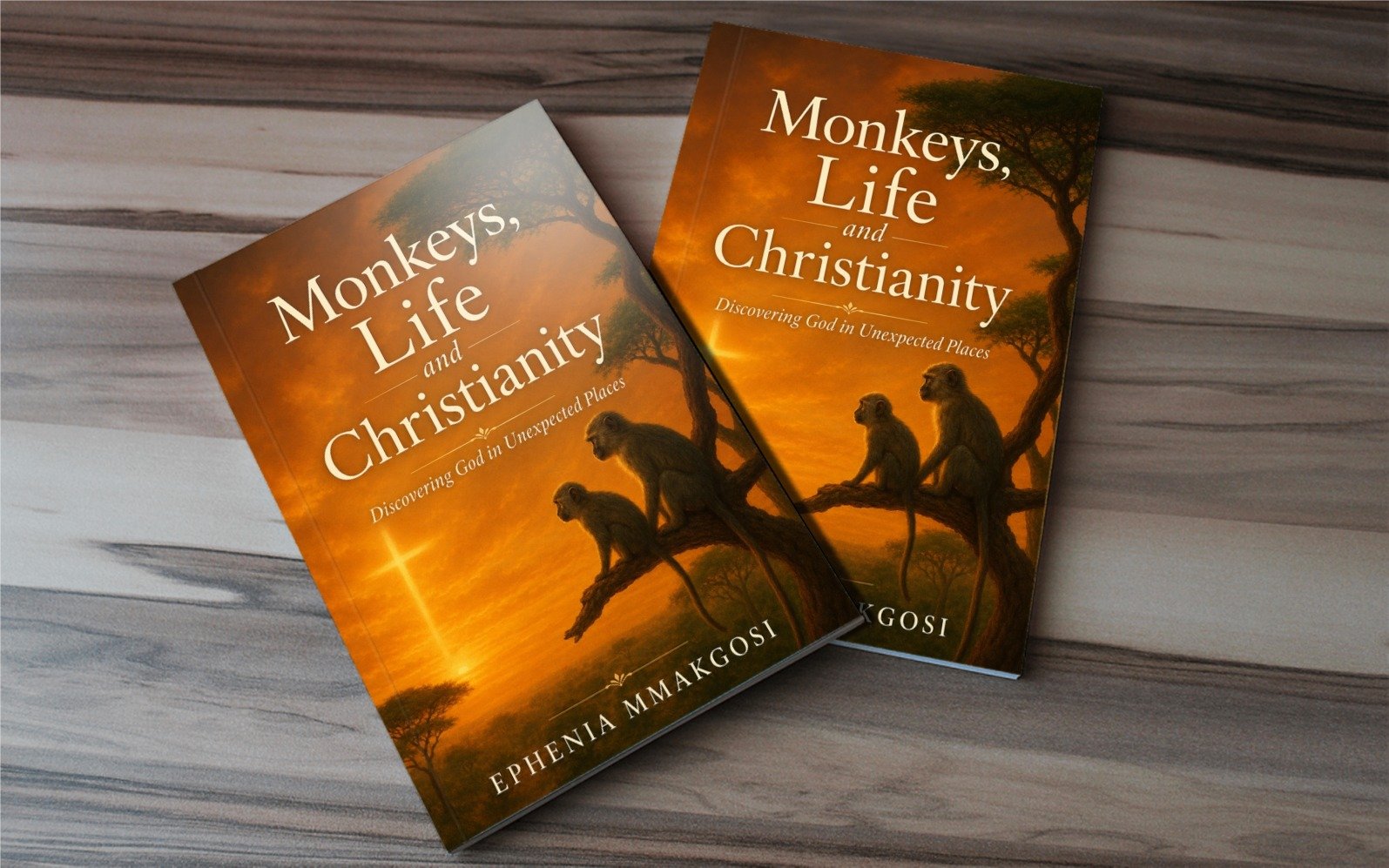
At first glance, monkeys and Christianity may seem worlds apart. Yet within a wildlife sanctuary, Ephenia Mmakgosi discovered that every creature, enclosure and encounter could reveal spiritual truth. With warmth, honesty and biblical insight, she shares lessons drawn from rescued animals, personal struggles and the quiet promptings of God. Through stories of captivity, obedience, fear, redemption and love, readers are invited to reconsider the meaning of true freedom. This reflective book reminds us that God can teach us anywhere, even through the watchful eyes of a monkey.
The title and opening create immediate curiosity. Monkeys and Christianity are an unusual combination, and the blurb uses that apparent contradiction as its hook.
The final thought reinforces the distinctive concept of the book. This is not a blurb that could simply be transferred onto another Christian living title.
Parenting Godly Teenagers In The 21st Century
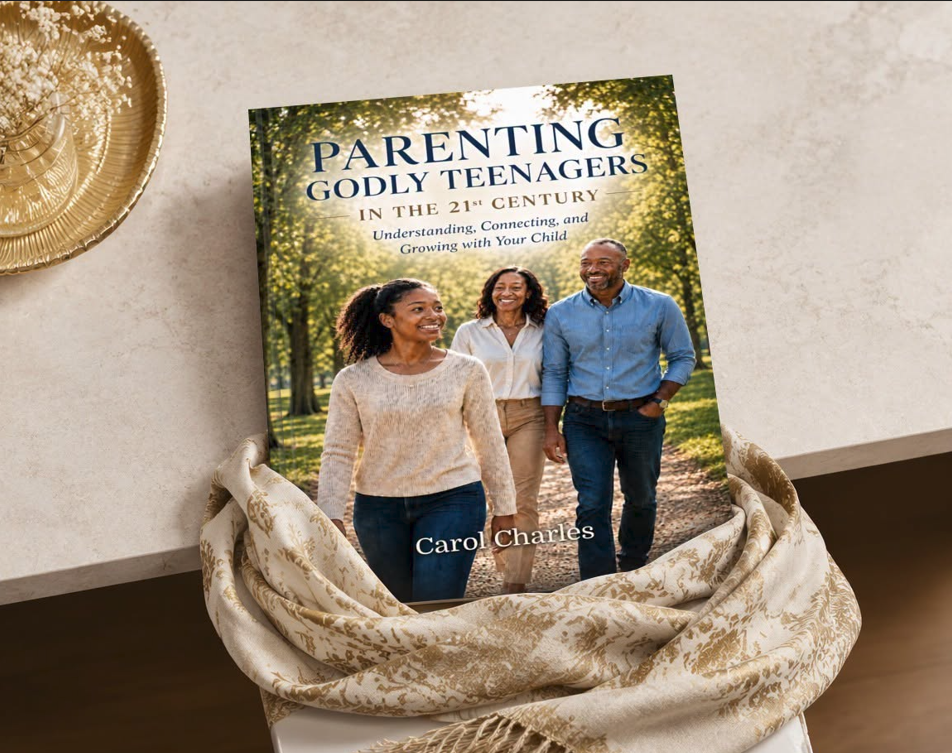
Raising teenagers has never been simple, but raising godly teenagers in the 21st century requires wisdom, courage, and the steady guidance of God’s Word. In a world shaped by smartphones, shifting values, academic pressure, peer influence, and digital noise, many parents feel overwhelmed or unsure of how to connect with their growing children.
In this timely and hope-filled book, Carol Charles draws from Scripture, psychology, and her own journey as a teacher, minister, mentor, and mother to offer parents a clear path forward.
Through this book, readers will:
- Understand the emotional, spiritual, and developmental needs of teenagers.
- Learn how to build stronger, healthier, and more respectful parent-teen relationships.
- Gain practical tools for guiding teenagers through technology, peer pressure, identity, mental health, sexuality, and substance use.
- Discover how to disciple teenagers at home with grace, wisdom, and biblical truth.
Rooted in Scripture and enriched with real-life insight, Parenting Godly Teenagers in the 21st Century empowers parents, guardians, pastors, and mentors to guide teenagers with grace, confidence, and godly wisdom. This book is not merely about surviving adolescence, it is about shaping a generation that knows Christ, loves Him deeply, and stands firm in a changing world.
This blurb clearly identifies both the reader and the problem. It names contemporary pressures parents immediately recognise: smartphones, shifting values, school pressure and peer influence.
The bullet points work because this is a practical parenting book. Readers can quickly scan them and understand what they will gain.
The final sentence raises the promise beyond controlling teenage behaviour. The larger goal is discipleship and raising a generation grounded in Christ.
Born Searching
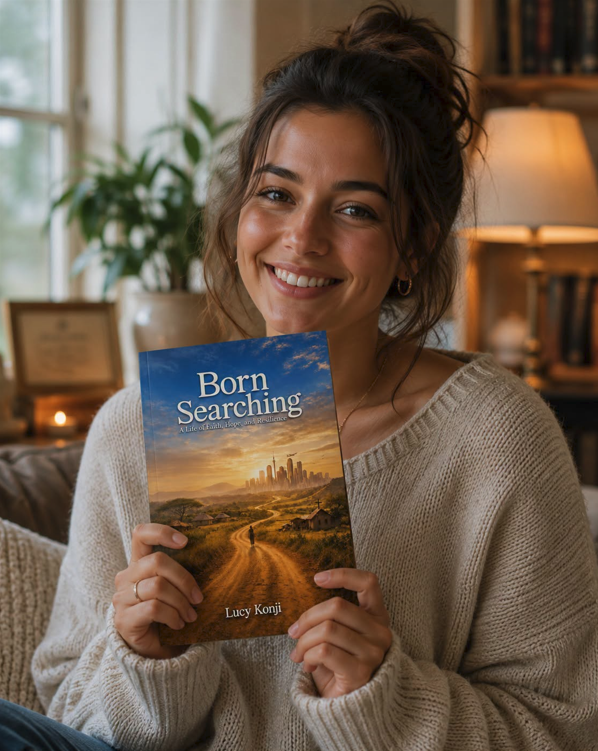
What does it mean to keep searching when life is marked by hardship, disappointment, and change?
In Born Searching, Lucy Konji shares a deeply personal journey from humble village beginnings to a life shaped by faith, courage, and perseverance. With honesty and grace, she reflects on childhood struggles, spiritual awakening, marriage, motherhood, and the challenge of building a new life in a foreign land.
Through seasons of uncertainty and stretching, Lucy discovers that the search for identity, belonging, and purpose is ultimately met in God’s faithfulness. Her story is a moving reminder that resilience is often born in quiet places, hope can survive even the hardest seasons, and a life surrendered to God is never wasted. Tender, inspiring, and deeply human, Born Searching invites readers to look beyond pain and press on with faith toward purpose.
A memoir blurb should not tell the reader everything that happened. If it does, there is little left to discover.
This one establishes the journey but centres the deeper search for identity, belonging and purpose. The reader is invited to care not only about what happened to Lucy, but about what her story may illuminate in their own life.
All Is Not Lost
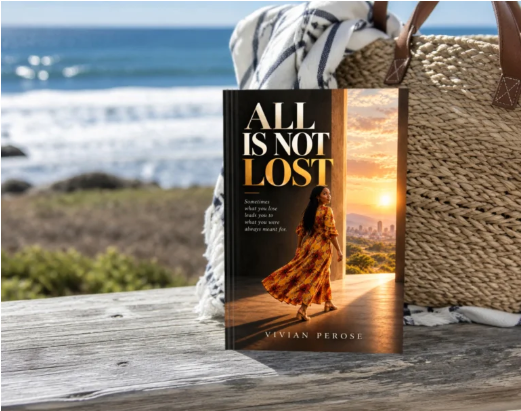
What happens when the life you thought was finally coming together suddenly falls apart?
Almasi knows what it means to struggle. From the painful wounds of adolescence and the crushing weight of self-doubt to procrastination, professional setbacks and seasons when even her faith feels fragile, she repeatedly finds herself standing at the edge of giving up.
Yet, each setback becomes an invitation to rise.
Through dance, work, relationships and her walk with Christ, Almasi learns to confront the invisible chains that hold her back. She discovers that self-limiting beliefs can be challenged, fear can be faced, procrastination can be overcome, and faith can be strengthened even in seasons of disappointment.
But when she loses the job she once believed was an answer to years of prayer, Almasi is forced to confront a deeper question: Can you still trust God when life does not turn out the way you expected?
All Is Not Lost is an uplifting journey of faith and personal transformation. Through Almasi’s experiences, Vivian Perose reminds us that failure is not final, disappointment is not destiny, and difficult seasons do not mean that God has abandoned us. Sometimes, what looks like the end is simply the place where God begins something new.
All is not lost. There is still hope and purpose. And above all, there is still a reason to keep going.
Fiction requires a different approach from self-help. The blurb gives us a protagonist, introduces her struggles and gradually raises the stakes.
It introduces a major crisis without resolving it. The deeper question moves the blurb beyond plot into theme, and the reader must open the book to discover Almasi’s answer.
Girl Get Off the Floor

Girl Get Off the Floor shares a young lady’s journey navigating a toxic marriage that ended in divorce, including the disappointment, pain, and betrayal that she faced.
The book also explores her journey of healing and self-reflection after being knocked down.
You will learn how:
- Your journey through divorce can empower you to be stronger.
- To hold on to God in the darkest of places.
- When God sends you help, He doesn’t force you to take it.
- You can move on with your life because divorce does not have the final say.
Through her journey, the author provides a deeper understanding of the challenges as well as opportunities that come with divorce. And reminds her readers that as much as God hates divorce, He loves the divorcee.
This blurb establishes the pain immediately: toxic marriage, divorce, disappointment and betrayal.
It then moves from being knocked down to healing, reflection and rebuilding. The learning points make the practical and spiritual benefit clear.
A New Path to Wholeness
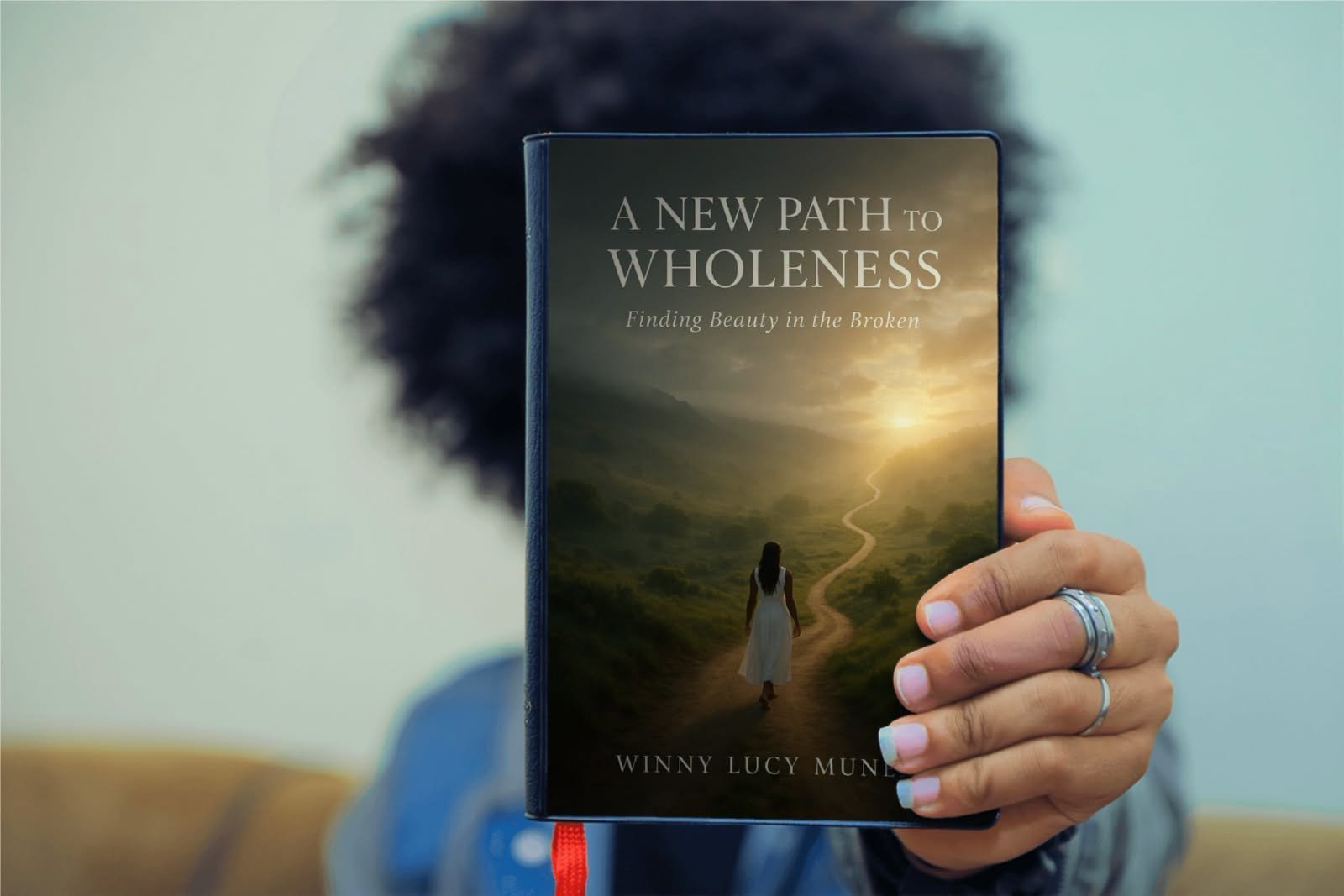
What if the wounds you have spent years trying to hide are actually pointing you toward healing, purpose, and wholeness?
In A New Path to Wholeness, Winny Lucy Munene takes readers on a deeply personal and transformative journey through the realities of trauma, emotional pain, and recovery. Drawing from her own life experiences, psychological insights, practical healing tools, and biblical wisdom, she gently uncovers how unhealed wounds can shape our identity, relationships, parenting, faith, and view of ourselves.
With compassion and honesty, Winny explores the hidden effects of trauma, attachment styles, childhood wounds, trauma responses, and the patterns that often keep people trapped in cycles of fear, shame, rejection, and self-sabotage. Through powerful stories, reflective exercises, Scripture-based insights, and practical strategies for healing, she offers a pathway from survival to restoration.
This is more than a book about trauma. It is a message of hope for anyone who has ever felt unseen, unheard, broken, abandoned, or stuck. It is an invitation to rediscover your God-given worth, embrace healing, break generational cycles, and step into a life marked by peace, purpose, and emotional freedom.
A New Path to Wholeness is a compassionate companion for survivors, caregivers, counsellors, ministry leaders, and anyone longing to find beauty, strength, and God’s redemptive grace in the midst of life’s broken places.
The opening question takes something the reader may perceive only as pain and introduces the possibility that healing can emerge from confronting it.
The blurb balances personal experience, psychological insight, practical tools and biblical wisdom. Most importantly, its language moves towards hope.
God’s Miraculous Rescues
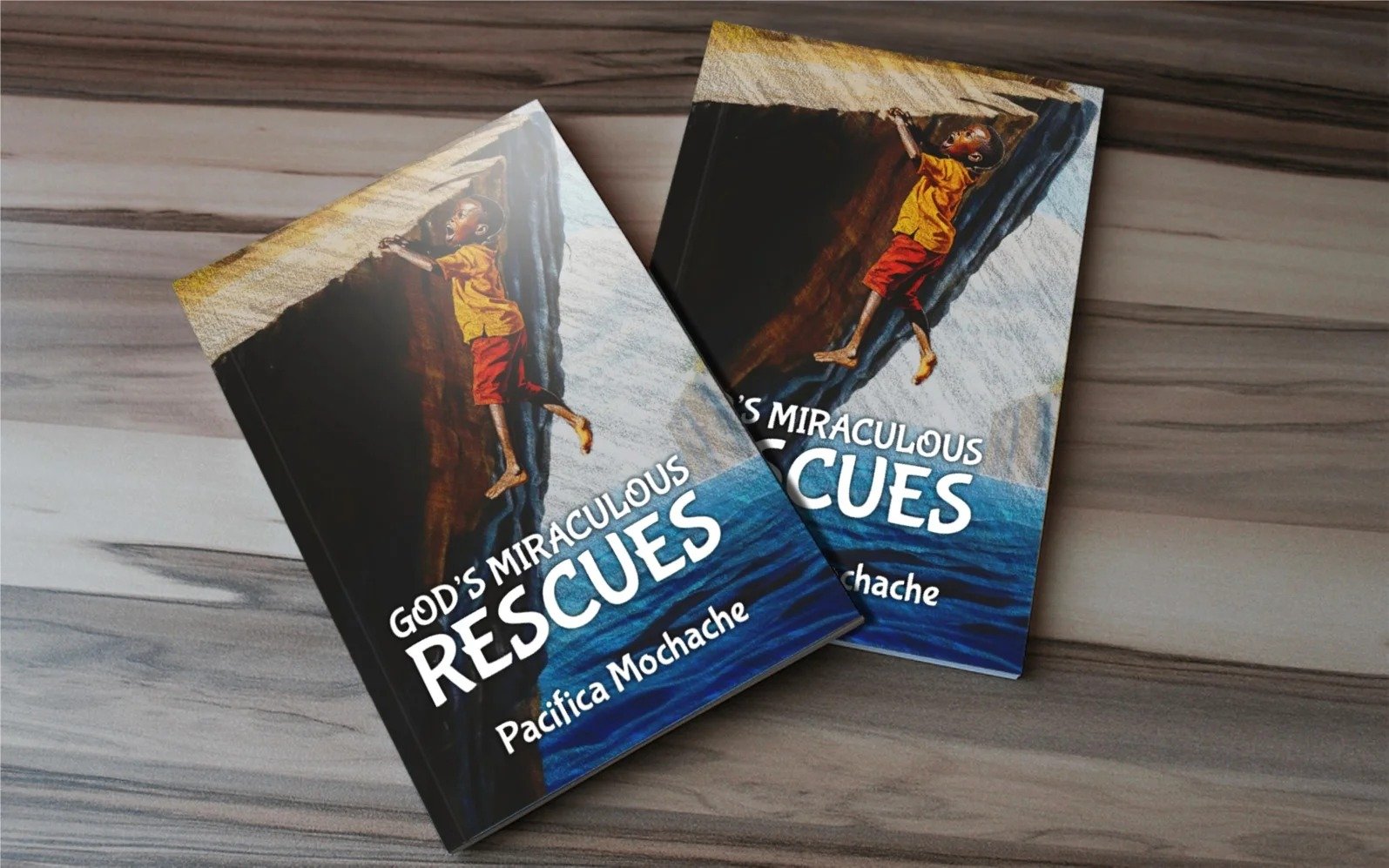
Children are naturally daring and adventurous. Their innocence and curiosity often lead them into unexpected and sometimes dangerous situations. God’s Miraculous Rescues is a captivating anthology of eight children’s stories crafted for readers aged 8–12.
Set in both rural and familiar environments, these stories highlight the challenges and adventures children encounter, reflecting their innocence, optimism, vulnerability, and boldness. Each story unfolds with dramatic twists and heart-pounding moments, ultimately showcasing God’s miraculous protection and deliverance in the face of danger.
Engaging and thought-provoking, this collection not only entertains but keeps readers on the edge of their seats, eager to discover how each story concludes. It is ideal for young readers seeking thrilling adventures with inspiring messages of faith and hope.
A children’s blurb may need to speak to two audiences simultaneously: the child who will read the book and the adult who may buy it.
The promise of danger, twists and adventure appeals to young readers, while faith, hope and God’s protection communicate value to parents, teachers and caregivers. The age range is also clearly identified.
Rooted By Misimu
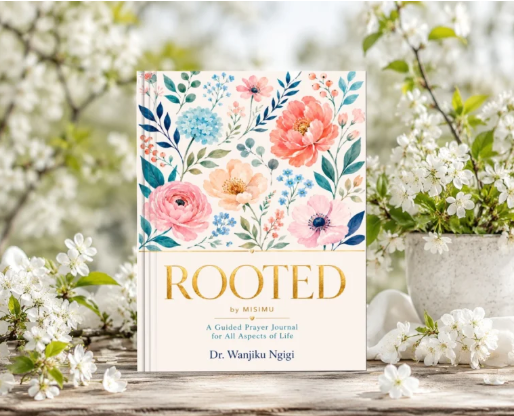
Do you long to pray but sometimes struggle to find the words? Perhaps you are beginning your journey with God, rebuilding your prayer life or seeking a deeper and more consistent relationship with Him.
To be rooted is to be steadfast, grounded and firmly established. This is the life God desires for you: a life anchored in His presence, secure in His truth and strengthened to walk in purpose.
Rooted by Misimu is a practical 30-day guided prayer journal that helps you bring the matters of your heart and the different aspects of your life before God with honesty, faith and confidence. Through thoughtfully selected prayer themes, Dr Wanjiku Ngigi guides you through spiritual growth, surrender, healing, forgiveness, identity, emotional wellbeing, relationships, purpose, finances, wisdom and everyday Christian living.
Each devotional is brief enough to give you room to reflect, seek God personally and listen for His direction. Biblical guidance, Scripture-based prayer prompts, writing space and example prayers will help you express what is in your heart while gradually developing the confidence to pray in your own words.
There is no better place to confront the issues of life than in prayer, where you meet the Creator of life Himself. Whether you have prayed for years or are only beginning, this journal will help you establish a more consistent, personal and prayerfully led life with God at the centre.
This is because prayer is not reserved for pastors, intercessors or people who appear more spiritual than you. God desires to hear your voice too.
So, come honestly. Come expectantly. Come ready to be rooted in God’s presence, truth, love and purpose.
The opening immediately identifies a genuine spiritual need: wanting to pray but struggling to know what to say. It speaks both to people beginning their prayer journey and to believers seeking to rebuild or deepen an existing prayer life.
The blurb clearly explains the book’s promise and format. Readers know that this is a 30-day guided prayer journal, and they are shown the practical tools they will receive: biblical guidance, prayer themes, Scripture-based prompts, writing space and example prayers.
It also moves effectively from features to benefits. The journal does not merely contain prayers and prompts; it is designed to help readers grow in confidence, consistency, honesty and personal communion with God.
The closing invitation, “Come honestly. Come expectantly. Come ready to be rooted…”, gives the blurb a warm devotional finish and reinforces the central metaphor of becoming rooted in God’s presence, truth, love and purpose.
Breaking Generational Curses
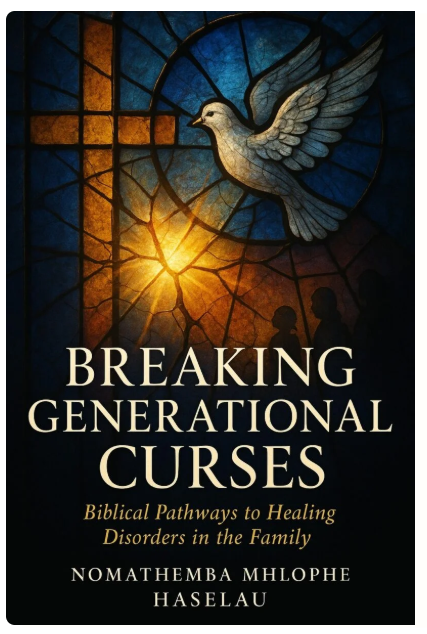
What if the struggles running through your family, bitterness, addiction, fear, poverty, or depression, are not your destiny but your divine invitation to break free?
In this powerful and deeply personal book, Nomathemba Mhlophe Haselau, a nurse, lay minister, and devoted follower of Christ, confronts the unseen wounds that pass silently from one generation to the next. Drawing from her own family’s story, including the heartbreaking loss of her son, she explores how emotional pain, destructive habits, and mental illness can shape generations, and how God’s healing power can redeem them.
Through moving testimonies, practical insight, and Scripture-based reflection, she reveals how every family can find freedom and restoration through Christ. Each chapter ends with a heartfelt prayer, leading readers step by step from awareness to deliverance.
Blending medical understanding with biblical truth, Breaking Generational Curses offers hope to anyone who has watched history repeat itself and longed for change. It is a journey from inherited pain to spiritual healing, a reminder that the story of your family can be rewritten by the grace of God.
Difficult subjects require both honesty and sensitivity. This blurb opens with serious realities, including bitterness, addiction, fear, poverty and depression, but immediately introduces the possibility that inherited struggle does not have to become inherited destiny.
It also establishes the author’s credibility naturally. Her experience as a nurse and lay minister, together with her own painful family story, helps the reader understand why she is able to approach the subject from both a practical and spiritual perspective.
The blurb does not simply name difficult issues. It gives the reader a clear movement from awareness to healing, freedom and restoration. The mention of testimonies, Scripture-based reflection and prayers also helps the reader understand how the book will guide them through the subject.
Most importantly, the blurb ends with hope. When writing about grief, trauma, addiction, mental illness or painful family patterns, the goal is not to sensationalise suffering but to show the reader why the book is worth entering and what possibility lies on the other side.
A Difficult Subject Still Needs a Compelling Blurb
Authors sometimes become so careful when writing about difficult subjects that the blurb becomes vague. The opposite mistake is to make the pain so dramatic that it feels exploitative.
A strong blurb should acknowledge the seriousness of the subject, identify the reader who may be carrying that pain, communicate the book’s approach and then show a credible path towards hope, understanding, healing or practical help.

1-1a: Prepare Yourself to Get Published…
Are you ready to publish your book? Here is how you need to prepare. Have your manuscript ready and explore the oprions available today. If you are stuck in getting…
Read More
1-1b: Let’s Talk About Publishing
The self-publishing landscape has changed considerably in the past two decades with new technologies such as the Internet, and the $1 billion markets continuing to change at a rapid pace….
Read More
1-1d: Factors to Consider Before Self Publishing
Jesus, while talking to the disciples about following Him, asked them to count the cost. The same Scripture applies to authors today – you have to count the cost from…
Read More
1-1e: Requirements for Self Publishing
Are you ready to be published? Use our 4 points check list and tick ‘Published Author’ box so you can move on to the next God-given assignment… #RaisingAfricanVoices
Read More
1-1f: Publishing Steps – Review
Is your manuscript due for a review towards getting published? The major focus during manuscript review is the general quality of the book. It is important to establish the overall…
Read More1-1c: How Can We Become Effective Christian Authors?
Learn how to become an effective Christian author by writing under the guidance of the Holy Spirit, remaining rooted in Scripture, pursuing excellence, serving the right readers and trusting God…
Read More2-2b: How to Write a Book Dedication
A book dedication is a way for you, the author to bestow a high honor on a person (or a group of people) you wish to praise or otherwise spotlight….
Read More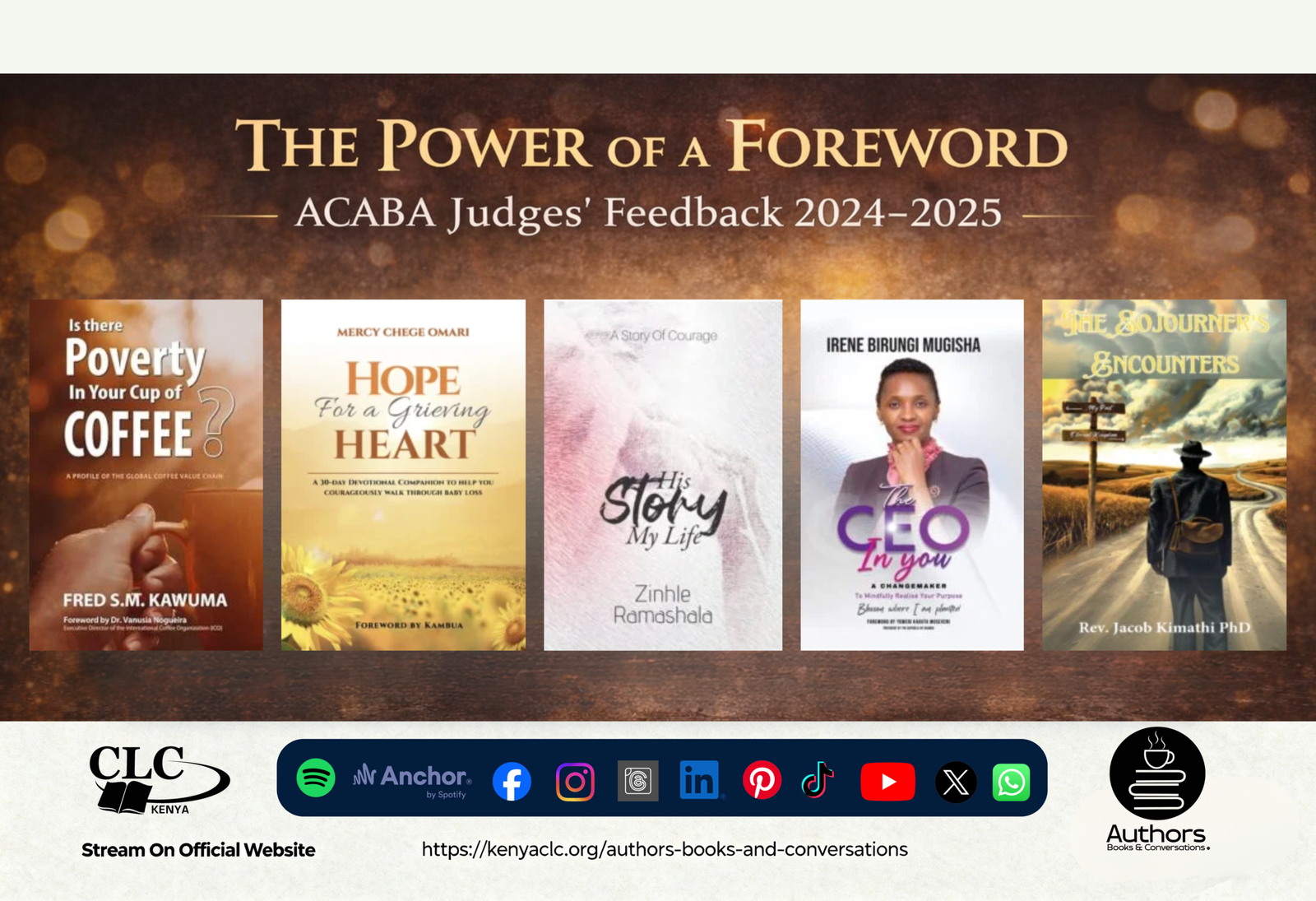
2-3e: How to Write a Book’s Foreword
A well-written foreword can function as the ultimate third-party recommendation or endorsement for your book, generating interest and helping when it’s time to market your book. Here’s how to write…
Read More2-2e: How to Write a Book Introduction
Are you stuck on writing your book introduction? Here’s how to… Hook the reader right from the beginning with a personal story from your life, a funny story, a joke,…
Read More2-3a: How to Write a Book’s Conclusion
If your readers are in the conclusion chapter, it also means they read the whole book, they liked it, and now they want you to wrap it up. So don’t…
Read More2-2a: How to Write an Author’s Bio
People are looking for reasons why they should spend their time reading what you have written. You need to instill confidence in your readers that you are knowledgeable on the…
Read More2-3b: How to Write a Book’s Blurb
A blurb is a short yet descriptive account of the book that goes on the back cover or within the book sleeve of a hardcover book. It includes any information…
Read More2-2c: How to Write an Acknowledgement
An acknowledgment section in a book provides the space to go into lenghty details in thanking the people who were sources of inspiration and support for your book and life….
Read More2-3c: How to Write Table of Contents
A table of content shows the things that are held or included in something. In the book industry, it is a list of the chapters or sections given at the…
Read More2-3d: How to Differentiate Between a Foreword and Endorsement
Foreword vs endorsement: what’s the difference? Discover their purpose, placement, length, and how each builds credibility and helps readers choose your book.
Read More2-1a: How to Profile Your Target Reader
Learn how to profile your target reader so you can write with greater focus, choose the right tone and examples, address real needs, and market your book more effectively. This…
Read More2-2d: How to Start the First Sentence or Paragraph of Your Book
Learn how to start the first sentence or paragraph of your book without overthinking. Discover seven practical opening approaches, from personal stories and questions to bold statements, scenes and Scripture…
Read More2-1c: How to Do Proper Research Before or As You Write
Learn how to conduct proper research before or as you write. This practical Christian writing guide covers foundational and advanced research, credible sources, Scripture study, plagiarism, interviews, permissions, fact-checking and…
Read More2-1b. How to Create an Outline for Your Book
Learn how to create a clear and practical book outline that organises your ideas, strengthens your chapter flow and guides the writing process while remaining open to the leading of…
Read More3-3a: Why is Organising Your Non-Fiction Into Chapters Important?
Organising your non-fiction book into clear, well-structured chapters enhances readability, engagement, and comprehension for your audience. Chapters create a logical flow, making complex ideas easier to digest while guiding readers…
Read More
3-3b: Why a Strong Chapter Structure Matters
A well-structured chapter helps your reader follow your message with ease. This simple guide shows writers how to build a chapter that flows from introduction to teaching, story, application, reflection,…
Read More
3-7a: Why Self-Edit Your Book Before Submitting it for Publishing?
Self-editing is a crucial step before submitting your manuscript for publishing. It allows you to refine your ideas, correct errors, and enhance the overall quality of your work. A well-edited…
Read More
3-7b: Train Your Ears to Edit: How African Writers Can Listen to Their Manuscripts Using MS Word Read Aloud
Learn how to use MS Word’s Read Aloud feature to listen to your manuscript, catch awkward sentences, improve flow, sharpen dialogue, and edit your writing more effectively as an African…
Read More3-1a: How to Write a Devotional
A devotional book is a literary work designed to provide spiritual inspiration, guidance, and reflection for readers seeking to deepen their faith and relationship with God. Get started here. #RaisingAfricanVoices
Read More3-1b: How to Write a Captivating Novel
A great novel is a complex interplay of various elements, but some key components often contribute to its greatness. Get started here. #RaisingAfricanVoices
Read More3-2c: How to Use Dialogue in Story Writing
Effective dialogue is characterized by authenticity, clarity, and relevance to the story. It should sound natural and believable, reflecting the unique voices and perspectives of the characters. Dialogue tags, such…
Read More3-2d: How to Use ‘Show Don’t Tell’ in Story Writing
“Show don’t tell” is a fundamental principle in storytelling that encourages writers to use descriptive language, actions, dialogue and scenes to reveal information to the reader, rather than simply telling…
Read More3-1c: How to Elevate a Non-fiction Christian Book to Make it Personal and Engaging
Transforming a flat non-fiction Christian book into an engaging and impactful read requires authenticity and connection. Share your personal testimony, use relatable real-life examples, and offer practical applications to make…
Read More3-6b: How to Ethically Use Other People’s Public Stories in a Non-fiction Christian Book
Using public stories in your Christian book requires integrity and respect for the individuals involved. Always seek permission where possible, give proper attribution, and ensure the story aligns with your…
Read More3-2e: How to overcome the challenge of mixed languages in writing a manuscript
Writing a manuscript with mixed languages can be both enriching and challenging. To overcome this, establish clear guidelines for when and how to incorporate multiple languages. Use translations sparingly and…
Read More3-6d: How to Ensure Diversity and Inclusion in Christian Writing
By embracing diverse voices, ensuring equitable access for underrepresented authors, and encouraging inclusive storytelling, authors and publishers can reflect the richness of God’s Kingdom. This includes actionable strategies to amplify…
Read More3-6a: How to Use External Source Excerpts with Footnotes and Endnotes
Many writers think footnotes and endnotes belong only in academic writing, yet they can strengthen memoir, Christian non-fiction, and reflective books too. Here is a simple guide for African writers,…
Read More3-6c: How Authors Should Mention Other People in Painful Stories
Learn how authors can write about real people in painful situations with wisdom, honesty, and grace. This post explores how to change names, stay objective, avoid slander, acknowledge personal responsibility,…
Read More3-1d: Why Consistency in Every Session Matters: Writing Workbooks Well
Learn practical workbook writing tips for African authors, with a focus on consistency in every session. Discover how clear structure, repeated formats, and reader expectations can make your workbook more…
Read More3-4d: How to Differentiate Repetition from Emphasis: Helping African Writers Strengthen Their Message Without Tiring the Reader
African writers must learn the difference between repetition and emphasis if they want to keep readers engaged. This training article explains how to emphasize key concepts with clarity, rhythm, imagery,…
Read More3-4c: How to Use Transition Paragraphs in Your Writing
Learn how to use transition paragraphs effectively in your writing. This concise guide for authors explains how to introduce a story smoothly, move from story to application, and end one…
Read More
3-4b: How to Paragraph Your Manuscript Well
Learn how to paragraph your manuscript in a simple, clear way. This short guide teaches authors to keep one paragraph to one idea, avoid crowding thoughts, and use clean paragraph…
Read More
3-5b: How to Handle Theology with Balance in Christian Writing
Christian authors must handle theology with both biblical truth and pastoral care. This article explains how to balance personal testimony, Scripture, exegesis, and reader application so Christian writing remains sound,…
Read More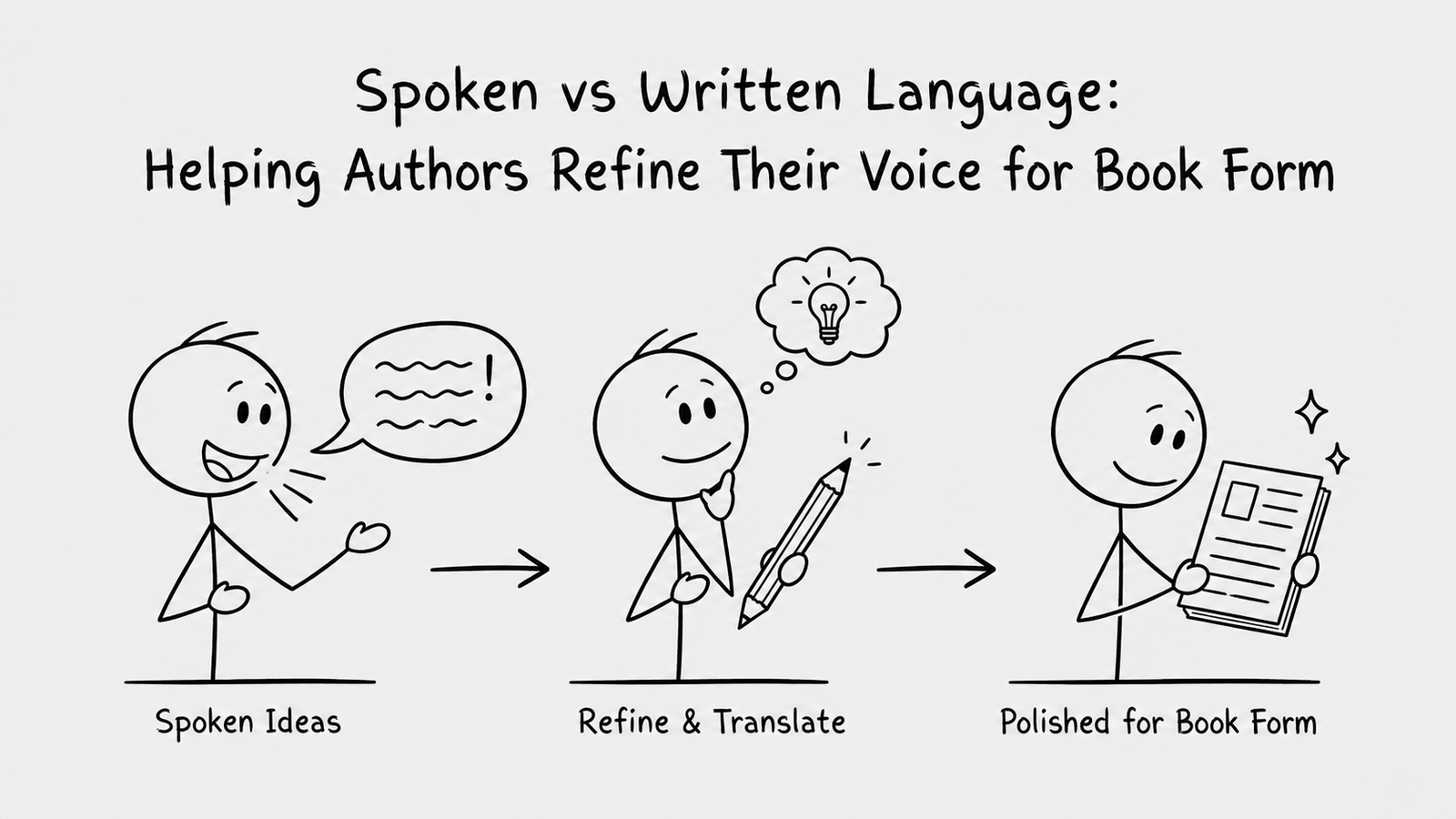
3-4a: Spoken vs Written Language: Helping Authors Refine Their Voice for Book Form
Many Christian manuscripts begin as sermons, testimonies, teachings, or spoken reflections. This article helps authors refine informal spoken language into clear, timeless book prose while preserving warmth, humour, personality, and…
Read More3-3c: Why Creative Non-Fiction and Non-Academic Books Should Not Be Too Long
Learn why creative non-fiction books should not be unnecessarily long. This practical guide helps authors improve focus, reduce repetition, lower production costs and write books that readers can afford, finish…
Read More
3-5c: Balancing Biblical Facts, Historical Facts and Personal Interpretation in Christian Writing
Learn how Christian writers can balance biblical facts, historical context and personal interpretation without confusing imagination with Scripture. This practical guide explains how to distinguish what the Bible records, what…
Read More3-3d: Why Creating a Comfortable Reading Rhythm for Your Book is Important
Learn why creating a comfortable reading rhythm is important for your book and how balanced chapter lengths can improve flow, structure, clarity and the overall reading experience.
Read More3-5a. How to Place Scriptures in a Creative Book
Learn how to place Scriptures clearly and consistently in a creative Christian book, including Bible versions, inline quotations, highlighted verses, references, italics, and manuscript formatting.
Read More3-2a. How to Choose and Use Point of View in Creative Writing: First, Second and Third Person
Learn how to choose and use first, second and third person point of view in creative writing, maintain narrative consistency, manage narrative distance, avoid head-hopping, and select the perspective that…
Read More3-2b. How to Develop Primary and Secondary Characters in a Story
Learn how to develop compelling primary and secondary characters by defining clear goals, motivations, conflicts, strengths, weaknesses, relationships, distinct voices and believable character arcs that move your story forward.
Read More4-3a: Why Should a Non-Fiction Book Have a Subtitle?
A subtitle is a powerful tool for non-fiction books, offering clarity and appeal to potential readers. It provides additional context about the book’s content, target audience, and benefits, helping it…
Read More4-2a: How to Peer Review Fiction and Non-Fiction Christian Literature Manuscripts
Peer reviewing Christian literature requires a thoughtful approach to ensure the manuscript aligns with Biblical principles while engaging readers effectively. For fiction, focus on character development, plot consistency, and spiritual…
Read More4-4c: Why is The Art of the Author Photo Important? Essential Specs for a Professional and Polished Image
Professional photos on a book’s back page play a crucial role in an author’s branding and marketing strategy. Learn More Here. #RaisingAfricanVoices
Read More4-4b. Why Professional Layout Is Non-Negotiable for African Christian Authors: Publishing With Excellence
Why professional book layout is non-negotiable for African Christian authors. Learn how industry-standard layout protects your message, credibility, reader experience, and publishing excellence from manuscript to marketplace.
Read More4-4a: Book Covers: Why They Matter for Every Author
Your book cover is not decoration—it is your book’s first decision-maker. Discover why covers matter for trust, genre clarity, and sales, plus common mistakes authors can avoid and a practical…
Read More4-1c: How to Turn a True Story into Autobiographical Fiction: Practical Steps for Writing Painful Personal History Well
Learn practical ways to turn a painful true story into autobiographical fiction without losing its truth or lessons. This training article helps African writers change names, settings, timelines, and identifying…
Read More4-2b: Why Theological Editing Must Come Before Comprehensive Editing
Christian manuscripts need theological editing before comprehensive editing. This training explains how theological review identifies speculative interpretations, unsupported symbolism, inaccurate Scripture quotations, weak historical claims and unbalanced treatment of difficult…
Read More4-1a. How to Use Cyclic Structure: Connecting Different Parts of Your Story
Learn how to use cyclic structure in creative writing to connect different parts of a story through flashbacks, memories, recurring themes, parallel experiences and clear transitions between past and present.
Read More4-1b. How to End a Book When preparing for a Sequel
Learn how to end a book when preparing for a sequel. This practical author resource covers plot closure, emotional resolution, sequel hooks, open story threads, foreshadowing, cliffhangers, final chapters and…
Read More5-2a: Why Every Author Needs a Non-Disclosure Agreement (NDA)
Protect your intellectual property with a Non-Disclosure Agreement (NDA) in publishing! An NDA safeguards your manuscripts and creative ideas by establishing confidentiality between authors, publishers, and editors. It ensures your…
Read More5-1a: What to Include in the Copyright Page and Complete the Copyrighting Process
Copyright law gives creators of original material the exclusive right to further use and duplicate that material for a given amount of time, at which point the copyrighted item becomes…
Read More5-3a: Terms and Conditions for Traditional Publishing/Adapting Existing Books into Other Versions
Adapting existing books into new versions, such as translations, audiobooks, or special editions, requires clear terms and conditions in traditional publishing agreements. These terms outline rights, royalties, and responsibilities for…
Read More5-4a: How to Publish a Book with Multiple Stakeholders: Best Practices for Rights Ownership, Expenses and Recognition
Publishing a book with multiple stakeholders requires clear communication and well-defined agreements to ensure smooth collaboration. Establish ownership rights, allocate expenses transparently, and outline recognition for each contributor’s role. Best…
Read More5-1b: How to Get ISBN in Kenya and Other African Countries
Learn how to get an ISBN in Kenya and other African countries, who issues ISBNs, what you need to apply, and why every published book needs one. A practical guide…
Read More5-2b. How to Write a Contributor Consent Form for a Memoir Book
Publishing a book with multiple stakeholders requires clear communication and well-defined agreements to ensure smooth collaboration. Establish ownership rights, allocate expenses transparently, and outline recognition for each contributor’s role. Best…
Read More5-2c: How to Ethically and Legally Use Free or Unpaid Images in Your Book
Learn how to use free images for your book ethically and legally by checking licences, reading the fine print on sites like Unsplash and Freepik, and knowing when paid or…
Read More